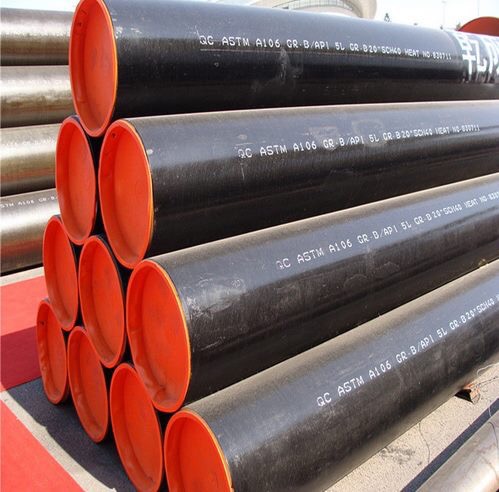
Material selection in industrial engineering carries massive stakes. Premature pipeline or structural failure leads to catastrophic downtime, severe safety hazards, and significant operational disruptions. Engineers face rigorous demands when designing systems exposed to harsh elements, chemical exposure, and heavy mechanical loads. Selecting the right piping material is the foundational step in mitigating these risks and ensuring long-term structural integrity.
A common pitfall in procurement is relying on vague material requests. Simply asking for galvanized steel pipe fails to account for critical variables. Without defining surface preparation, coating thickness, manufacturing methods, and environmental stressors, projects risk severe non-compliance. Vague specifications lead to accelerated degradation, localized corrosion, and eventual system failure under operational stress.
A rigorous specification framework is necessary to align metallurgical properties with environmental conditions. Engineers must map project requirements directly to ASTM standards, specific steel grades, and appropriate galvanizing methods. This technical evaluation guarantees the selected piping meets exact project demands, providing reliable barrier and sacrificial protection throughout the intended service life.
Specification Rigor is Mandatory: Simply requesting "galvanized steel pipe" is insufficient; engineers must specify the base pipe type, surface preparation, manufacturing process (e.g., batch hot-dip vs. continuous), coating weight, and steel grade.
Process Dictates Performance: Hot dip galvanized pipe provides superior, metallurgical-bonded protection suitable for harsh industrial environments, whereas pre-galvanized options are strictly for light-duty applications.
Standardization Drives Compliance: Adherence to specific standards (like ASTM A53 for pressure applications or ASTM A123 for structural uses) is non-negotiable for project safety and regulatory compliance.
Implementation Risks Require Mitigation: Field modifications such as welding, threading, and cutting compromise the zinc coating and require documented repair procedures to prevent localized corrosion.
The Role of Galvanized Steel Pipe in Industrial Environments
Defining Success Criteria for Corrosion Resistant Steel Pipe
Industrial piping must meet strict baseline expectations to function reliably. We define success by evaluating expected service life, maintenance intervals, and resistance to specific environmental corrosives. A reliable corrosion resistant steel pipe must withstand prolonged exposure to aggressive elements. Think coastal salt spray, industrial chemical fumes, and high humidity. Success criteria also include structural stability under dynamic loads and consistent internal pressure containment without material degradation.
Project specifications must outline the exact atmospheric corrosivity category the pipe will endure. Rural environments demand different protection levels compared to heavy industrial or marine settings. By establishing clear performance baselines, you ensure the specified pipe delivers uninterrupted service. This proactive approach prevents premature material fatigue. It aligns the physical properties of the pipe with the operational realities of the site.
To accurately evaluate environmental corrosivity, field engineers should follow these steps:
Identify the primary atmospheric corrosivity category (C1 through C5) based on local weather data and proximity to saltwater.
Measure ambient chemical exposure, noting any airborne sulfur dioxide or industrial exhaust in the immediate vicinity.
Assess physical wear factors, including high-velocity wind, abrasive dust, or heavy equipment traffic near the installation site.
Determine the expected design life of the facility to establish a baseline for required coating thickness.
The Mechanism of Zinc Protection
Zinc provides two distinct forms of protection to the underlying steel: barrier protection and cathodic protection. Barrier protection occurs as the zinc coating physically isolates the steel from corrosive electrolytes in the environment. As the zinc reacts with oxygen, water, and carbon dioxide, it forms a dense, insoluble zinc carbonate patina. This patina acts as a highly durable shield. It significantly slows the overall corrosion rate of the material.
Cathodic, or sacrificial, protection is the secondary defense mechanism. Zinc is more anodic than steel on the galvanic series. If the coating suffers mechanical damage, exposing the bare steel beneath, the surrounding zinc will preferentially corrode to protect the exposed area. The zinc sacrifices itself, generating a protective current that prevents rust from forming on the steel substrate. This dual-action defense makes zinc coatings highly effective in unpredictable industrial environments.
Common Modes of Failure from Improper Specification
Under-specifying coating thickness leads directly to rapid material failure. When you fail to match the zinc weight to the environmental corrosivity, the zinc patina depletes faster than anticipated. This exposes the steel substrate to aggressive electrolytes, initiating rapid pitting corrosion. Pitting compromises the wall thickness of the pipe, reducing its pressure rating and structural load capacity.
Ignoring localized environmental factors causes localized structural weakening. For example, specifying a standard zinc coating for a pipe installed in highly acidic soil accelerates zinc degradation. Galvanic corrosion is another common failure mode resulting from poor specification. Connecting galvanized pipe directly to dissimilar metals, like copper or brass, without dielectric isolation forces the zinc to act as an anode for the entire system. This rapidly strips the protective coating and destroys the pipe.
Manufacturing Methods: Hot Dip Galvanized Pipe vs. Alternatives
Base Pipe Selection (Seamless vs. Welded)
The galvanizing process begins with selecting the appropriate base steel pipe. You must choose between seamless and welded pipe based on internal pressure ratings and structural load requirements. Seamless pipe is extruded from a solid steel billet. It offers uniform strength and higher pressure containment capabilities. It is the preferred choice for high-pressure fluid transport and critical structural applications where weld seam vulnerabilities are unacceptable.
Welded pipe, typically manufactured via Electric Resistance Welding (ERW), is formed by rolling steel coils and welding the longitudinal seam. ERW pipe provides excellent dimensional accuracy and is suitable for moderate pressure applications and general structural use. The specification must clearly state the base pipe manufacturing method before the galvanizing process occurs. The base material dictates the ultimate mechanical limits of the finished product.
Consider these application guidelines when selecting the base pipe:
High-pressure steam lines require seamless pipe to eliminate the risk of longitudinal seam failure under thermal stress.
Structural support columns typically utilize ERW welded pipe, as the load is compressive and internal pressure is not a factor.
Fluid transport systems operating near the maximum pressure threshold of the steel grade should default to seamless construction for an added safety margin.
Surface Preparation Standards
Proper surface preparation is the most critical step before galvanizing. The steel must be entirely free of rust, oil, mill scale, and dirt. The process begins with caustic cleaning to remove organic contaminants like grease and oil. Next, the pipe undergoes acid pickling, typically in a hydrochloric or sulfuric acid bath, to strip away mill scale and iron oxides. This leaves a chemically clean steel surface.
Following the acid bath, the pipe is immersed in a flux solution, usually zinc ammonium chloride. Fluxing prevents further oxidation of the cleaned steel before it enters the molten zinc. It promotes the metallurgical reaction between the iron and zinc. Inadequate surface preparation guarantees coating failure. If contaminants remain on the steel, the zinc will not react, leaving bare spots and compromising the entire protective system.
The Hot-Dip Galvanizing Process (Batch vs. Continuous)
The hot-dip galvanizing process creates a metallurgical bond between the steel and the zinc. The cleaned pipe is immersed in a bath of molten zinc maintained at approximately 830°F (443°C). During immersion, the iron in the steel reacts with the molten zinc to form a series of tightly bonded zinc-iron alloy layers (gamma, delta, and zeta layers), topped with a layer of pure zinc (the eta layer). This creates a coating with exceptional abrasion resistance.
Batch galvanizing involves dipping fully fabricated or pre-cut pipes into the zinc bath. This method ensures all surfaces, including cut ends and internal walls, receive a thick, uniform coating. Continuous galvanizing feeds a continuous ribbon of steel sheet through a zinc bath before it is formed and welded into a pipe. Batch galvanizing provides significantly thicker coatings and superior protection for heavy industrial applications.
Limitations of Electrogalvanizing and Pre-Galvanized Steel
Electrogalvanizing applies zinc to steel using an electrical current in a chemical bath. This process deposits a very thin layer of pure zinc. While it provides a smooth, aesthetically pleasing finish, the coating thickness is insufficient for outdoor or harsh industrial environments. Electrogalvanized coatings deplete rapidly when exposed to moisture, leading to early rust formation.
Pre-galvanized steel pipe is manufactured from steel coils that were continuously galvanized before being rolled and welded. The welding process burns off the zinc coating along the seam, requiring a secondary spray application to restore protection. The overall coating weight of pre-galvanized pipe is much lighter than batch hot-dip galvanized pipe. These alternatives fail under heavy industrial conditions and should be restricted to light-duty, indoor, or climate-controlled applications.
When to Specify Hot Dip Galvanized Pipe
You must mandate hot dip galvanized pipe when maximum lifespan and severe exposure resistance are required. Batch hot-dip galvanizing is the only acceptable method for environments subject to high humidity, coastal salt spray, or continuous outdoor weathering. The thick zinc-iron alloy layers provide the necessary abrasion resistance to withstand mechanical damage during transport, installation, and operation.
Specify the batch hot-dip process for any pipe that will serve as a critical structural component or transport fluids in inaccessible areas. The internal coating provided by the batch dipping process protects the inside of the pipe from corrosive fluids. This feature is not adequately replicated by continuous galvanizing methods. When long-term reliability is the primary objective, batch hot-dip galvanizing is the required specification.
Core Evaluation Dimensions for Specifying Galvanized Steel Pipe
Coating Thickness and Weight Specifications
Zinc coating thickness determines the longevity of the protection. Thickness is measured in mils (thousandths of an inch) or microns, while coating weight is specified in ounces per square foot (oz/ft⊃2;) or grams per square meter (g/m²). You must specify the correct coating weight based on the environmental corrosivity category defined by standards like ISO 9223. Heavier coatings provide proportionally longer service lives.
The specification must explicitly state the minimum acceptable coating weight. Relying on default manufacturer settings often results in inadequate protection for severe environments. By matching the coating weight to the anticipated depletion rate of the specific environment, you guarantee the pipe will meet its intended design life without requiring premature replacement.
ISO 9223 Corrosivity Category
Environment Description
Typical Zinc Depletion Rate (µm/year)
Recommended Specification Focus
C1 - C2
Indoor, dry / Rural, low pollution
0.1 - 0.7
Standard commercial coating weights
C3
Urban, moderate sulfur dioxide
0.7 - 2.1
Minimum ASTM A53 standard compliance
C4
Industrial, coastal with moderate salt
2.1 - 4.2
Heavy batch hot-dip, strict A123 compliance
C5
Heavy industrial, high humidity/salinity
4.2 - 8.4
Maximum coating weight, possible duplex systems
Navigating ASTM Standards and Compliance
ASTM standards dictate the manufacturing, testing, and coating requirements for galvanized pipe. ASTM A53 is the standard specification for pipe, steel, black and hot-dipped, zinc-coated, welded and seamless. This standard is specifically designed for fluid transport and pressure applications. It includes rigorous requirements for hydrostatic testing, tensile strength, and chemical composition. When specifying pipe for carrying water, air, or steam, ASTM A53 is the required standard.
ASTM A53 compliance requires manufacturers to perform specific tests, including:
Hydrostatic testing to verify the pipe can withstand internal pressure without leaking.
Tensile testing to confirm the yield strength and ultimate tensile strength of the steel grade.
Bending tests for pipe sizes NPS 2 and smaller to ensure the material can deform without cracking.
Flattening tests for ERW pipe to verify the integrity of the weld seam under extreme compression.
ASTM A123 covers zinc coatings on iron and steel products. This standard focuses entirely on the quality, thickness, and adherence of the zinc coating after fabrication. Hollow Structural Sections (HSS) and pipe serving structural functions must be specified under ASTM A123 rather than A53. A123 dictates coating thickness based on the material's steel thickness, ensuring structural components receive adequate barrier protection. Applying the wrong standard leads to procurement errors and compromised structural integrity.
Sizing, Schedules, and Yield Strength Requirements
Specifying the physical dimensions and mechanical properties of the pipe requires precise terminology. Nominal Pipe Size (NPS) defines the approximate inside diameter, but the pipe schedule determines the actual wall thickness. Schedule 40 is standard for many general applications, while Schedule 80 provides a thicker wall for higher pressure or heavier structural loads. The schedule directly impacts the pipe's pressure rating and mechanical strength.
The underlying steel grade must also be specified. ASTM A53 defines Grade A and Grade B steel. Grade A has a lower tensile and yield strength, making it easier to bend and coil. Grade B has higher carbon content, providing greater yield strength and making it the standard choice for most industrial and structural applications. The specification must combine NPS, schedule, and grade to ensure the pipe meets all mechanical load requirements.
Application-Specific Specification Lenses
Outdoor Structural Pipe and High-Moisture Environments
Using galvanized steel as an outdoor structural pipe requires specific design considerations. The specification must account for continuous UV exposure, wind loads, and thermal expansion. Structural pipe must be designed to prevent moisture pooling. Open ends should be capped or angled to shed water, and drainage holes must be incorporated into the design to prevent internal condensation buildup.
High-moisture environments accelerate zinc depletion. In coastal or tropical settings, the specification should mandate the heaviest available coating weight under ASTM A123. You must also specify inspection protocols for structural connections. Bolted joints must use hot-dip galvanized fasteners to maintain consistent protection across the entire structural assembly, preventing localized galvanic cells from forming at connection points.
Fluid Transport, Plumbing, and Pressure Ratings
When specifying galvanized pipe for fluid transport, internal coating integrity is paramount. The batch hot-dip process ensures the internal walls receive a uniform zinc coating, protecting against internal corrosion from non-corrosive fluids. The specification must clearly define the maximum operating pressure and temperature of the fluid to ensure the selected pipe schedule and grade are adequate.
Hydrostatic testing mandates are critical for pressure applications. Specifications referencing ASTM A53 must require mill test reports confirming the pipe passed hydrostatic pressure tests without leakage. You must also consider the fluid's chemical composition. Galvanized pipe is highly effective for water and compressed air but is unsuitable for highly acidic or alkaline fluids, which rapidly strip the zinc coating and attack the steel substrate.
Soil Conditions and Underground Burial Considerations
Direct burial of galvanized pipe introduces severe corrosion risks. Soil resistivity, moisture content, and pH levels drastically impact zinc degradation rates. Highly conductive soils with low electrical resistivity accelerate the sacrificial action of the zinc. Acidic soils (pH below 6) or highly alkaline soils (pH above 12.5) chemically attack the zinc patina, leading to rapid coating failure.
Before specifying galvanized pipe for underground use, you must prepare the site and materials properly:
Extract soil samples from multiple depths along the proposed trench line to measure electrical resistivity and pH levels.
Apply a heavy-duty epoxy coating or polyurethane wrap over the galvanized surface if soil pH falls outside the 6.0 to 12.5 range.
Install sacrificial magnesium or zinc anodes connected to the pipe via insulated copper wire to provide active cathodic protection in highly conductive soils.
Backfill the trench with clean, washed sand to prevent sharp rocks from gouging the protective coating during compaction.
Lifespan Trade-offs and Overall Value
Evaluating Long-Term Durability
The primary advantage of heavy galvanization is extended operational durability. A properly specified batch hot-dip coating provides decades of reliable service in moderate environments. The thickness of the zinc-iron alloy layers directly correlates to the time before first maintenance is required. By specifying a heavier coating upfront, you ensure the infrastructure remains functional without requiring early intervention.
Durability evaluations must consider the specific environmental depletion rate. In rural environments, a standard coating may last over fifty years. In heavy industrial environments with high airborne chlorides, that same coating may deplete in fifteen years. Accurate environmental assessment allows you to specify a coating weight that matches the intended design life of the facility, ensuring continuous operation.
Maintenance Intervals vs. Initial Specification
Rigorous initial specifications drastically extend maintenance intervals. Specifying the correct surface preparation, coating weight, and base steel grade minimizes the risk of early coating failure. Systems built with under-specified materials require frequent inspections, localized touch-ups, and eventual component replacement. These maintenance activities disrupt facility operations and demand significant labor resources.
A robust specification strategy shifts the focus from reactive repair to long-term reliability. By mandating strict adherence to ASTM standards and requiring mill test reports, you verify material quality before installation. This proactive approach ensures the installed piping system performs predictably, allowing facility managers to schedule maintenance based on known depletion rates rather than responding to unexpected failures.
Routine maintenance inspections should include the following checks:
Visually inspect all threaded joints and mechanical couplings for early signs of red rust, indicating localized zinc depletion.
Measure the remaining zinc coating thickness using a magnetic dry film thickness gauge at high-exposure areas.
Check dielectric unions for electrical continuity to ensure they are successfully isolating the galvanized pipe from dissimilar metals.
Examine pipe supports and hangers for trapped moisture or debris that could accelerate localized corrosion.
Comparing Galvanized to Alternative Materials
Comparing galvanized steel to bare carbon steel highlights the value of the zinc coating. Bare carbon steel rusts rapidly when exposed to moisture and oxygen, requiring constant painting and surface maintenance to prevent structural failure. The galvanizing process eliminates the need for ongoing surface treatments, providing a durable, maintenance-free barrier that significantly outperforms painted carbon steel in harsh environments.
When comparing galvanized steel to stainless steel, you must evaluate the specific corrosive threats. Stainless steel offers superior resistance to many chemicals and does not rely on a consumable coating. However, stainless steel is susceptible to chloride stress corrosion cracking in certain environments. Galvanized steel provides a highly reliable and pragmatic solution for general outdoor, structural, and moderate industrial applications where the extreme properties of stainless steel are not strictly required.
Implementation Risks and Mitigation Strategies
Welding Galvanized Steel
Welding galvanized pipe introduces specific safety and structural risks. The high heat of the welding arc vaporizes the zinc coating, creating toxic zinc oxide fumes. Inhalation of these fumes causes zinc fume fever, a serious health hazard for welders. Specifications must mandate proper local exhaust ventilation and the use of appropriate personal protective equipment during all welding operations.
Structurally, welding over zinc causes porosity and cracking in the weld metal. The specification must require the removal of the zinc coating at least one to four inches from the weld zone prior to welding. This is typically achieved through grinding. Following the welding process, the bare steel in the weld zone must be repaired to restore corrosion protection, adhering strictly to approved repair protocols.
Execute the welding preparation process using these steps:
Mark the weld zone, extending at least two inches on either side of the intended joint.
Use an angle grinder with a flapper wheel to completely remove the zinc coating down to bare, shiny steel within the marked area.
Set up local exhaust ventilation directly over the weld zone to capture any residual zinc oxide fumes generated during the welding process.
Execute the weld using appropriate filler metal, ensuring full penetration and avoiding excessive heat input that could damage adjacent zinc.
Clean the completed weld with a wire brush to remove slag and apply a zinc-rich paint per ASTM A780 to restore barrier protection.
Threading, Cutting, and Field Repair
Field modifications like threading, cutting, and drilling expose the bare steel substrate, creating immediate vulnerabilities. Any breach in the zinc coating provides a starting point for localized corrosion. Specifications must detail exact procedures for handling field modifications. Installers must minimize on-site cutting by utilizing precise pre-fabrication measurements whenever possible.
When field modifications are unavoidable, the specification must mandate immediate repair of the exposed steel. Acceptable repair methods are outlined in ASTM A780. This typically involves applying zinc-rich paints containing high concentrations of zinc dust, or using zinc-based solders (metallizing). The repair coating must achieve a dry film thickness equal to or greater than the original hot-dip coating to ensure continuous barrier protection.
Managing Galvanic Corrosion Risks
Galvanic corrosion occurs when galvanized steel is electrically connected to a dissimilar metal in the presence of an electrolyte. Because zinc is highly anodic, it will rapidly sacrifice itself to protect a more noble metal, such as copper, brass, or stainless steel. This rapid depletion strips the pipe of its protection, leading to severe and accelerated failure of the steel substrate.
Specifications must explicitly prohibit direct contact between galvanized pipe and dissimilar metals. You must specify the use of dielectric unions, isolation flanges, or non-conductive isolation pads at all connection points. Proper electrical isolation breaks the galvanic circuit, preventing the zinc from acting as a sacrificial anode for the rest of the system and preserving the integrity of the pipe.
Conclusion
Audit your current procurement templates to ensure they explicitly state the required ASTM standard, base steel grade, and minimum zinc coating weight.
Establish a mandatory review process for all incoming material shipments, requiring verified Mill Test Reports (MTRs) and galvanizing certificates before acceptance.
Update your field installation manuals to include strict, documented procedures for repairing cut ends and welded joints according to ASTM A780 guidelines.
Implement dielectric isolation standards for all connection points where galvanized piping interfaces with dissimilar metals to eliminate galvanic corrosion risks.
FAQ
Q: What is the difference between ASTM A53 and ASTM A123 for galvanized pipe?
A: ASTM A53 covers the pipe manufacturing and hot-dip process specifically for pressure and fluid transport applications. ASTM A123 covers the zinc coating specification for structural steel products, including hollow structural sections and pipe used purely for structural support.
Q: How long does galvanized steel pipe last in industrial environments?
A: The lifespan depends heavily on environmental corrosivity. In dry, rural settings, it can last over 50 years. In severe marine or heavy industrial environments with high airborne chlorides, the lifespan typically ranges from 10 to 20 years before maintenance is required.
Q: Can you weld hot dip galvanized pipe?
A: Yes, it can be welded. However, the zinc coating must be ground away from the weld area prior to welding to prevent weld porosity and toxic fumes. Proper ventilation is required, and the weld zone must be recoated with zinc-rich paint afterward.
Q: Is galvanized steel pipe safe for drinking water?
A: While historically used for plumbing, modern industrial specifications often prefer other materials for potable water. Galvanized pipes can suffer from long-term mineral buildup, reducing flow, and older galvanizing methods sometimes contained trace amounts of lead.
Q: What is the difference between hot-dip galvanized and electrogalvanized pipe?
A: Hot-dip galvanizing immerses steel in molten zinc, creating a thick, metallurgically bonded zinc-iron alloy layer suitable for harsh environments. Electrogalvanizing uses an electrical current to deposit a very thin, purely mechanical layer of zinc, suitable only for light-duty indoor use.
Q: How do you repair cut or threaded ends on galvanized pipe?
A: Exposed bare steel from cutting or threading must be repaired using zinc-rich paint or cold galvanizing compounds compliant with ASTM A780. The repair material must be applied to a thickness that matches or exceeds the original surrounding zinc coating.
Our forged threaded flanges have undergone strict quality control and testing, with excellent strength and reliability, and can withstand high pressure and harsh working environments.
CONTACT US
Phone:+86-13832718182
Email:
sales@czweiheng.com WhatsApp:+86-13832718182
Add:East of Construction Machinery Factory, Yanshan County, Cangzhou, Hebei China