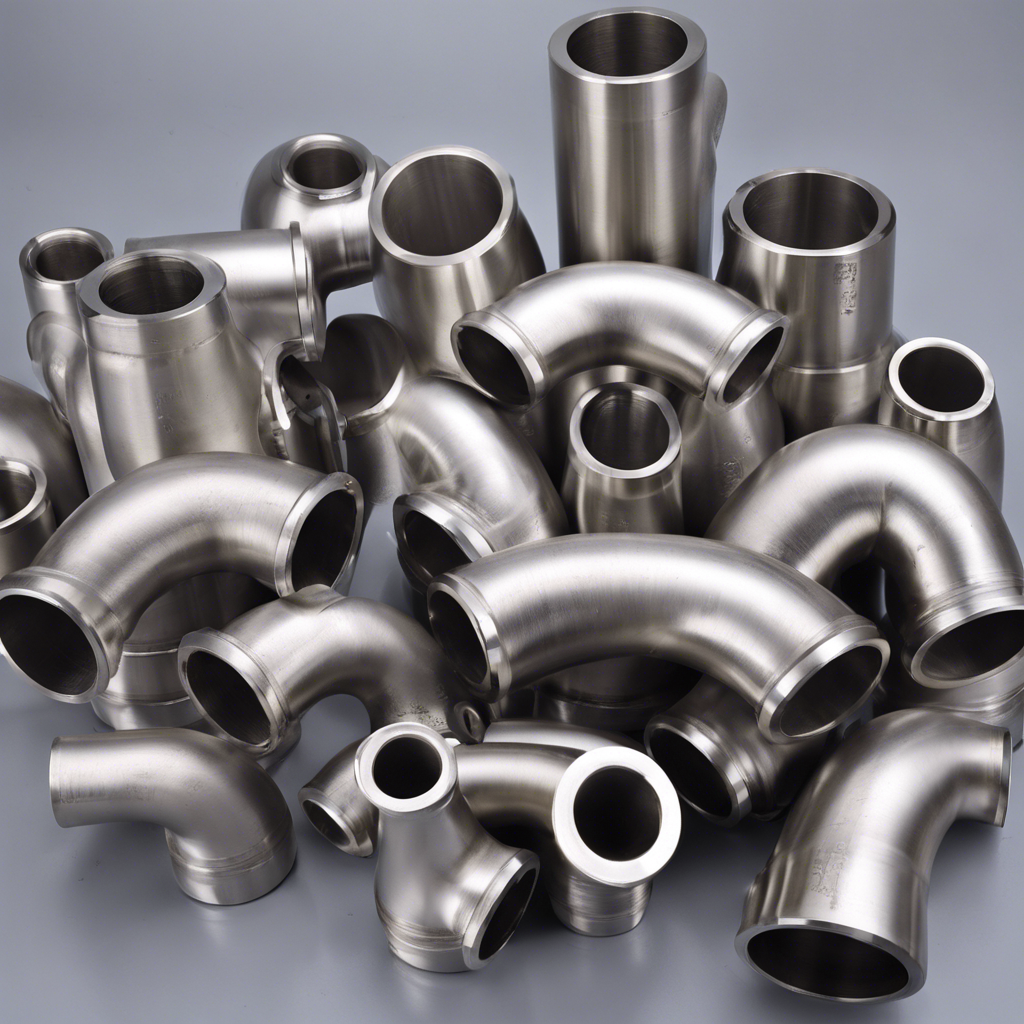
Industrial piping selection carries immense weight. A single incorrect material choice can trigger catastrophic system failures. This paralyzes plant operations with costly downtime. It also introduces severe safety hazards to personnel on the floor. Engineers and procurement managers frequently navigate a complex maze. They struggle to balance tight material budgets, strict mechanical property requirements, and rigorous regulatory standards. Designing fluid transport systems for extreme environments demands precision.
Current Industry Trends in High-Efficiency Piping
Recent market analyses reveal a massive shift toward higher-efficiency operations across the global manufacturing sector. Modern chemical processing and energy generation facilities push process temperatures and system pressures to unprecedented levels. Facilities constantly strive to maximize output while minimizing maintenance intervals. Consequently, engineers are moving away from traditional carbon steels. The transition toward green energy initiatives, including hydrogen transport and carbon capture, demands materials with zero failure tolerance. Stainless steel pipe has emerged as the definitive gold standard for durability and safety in these harsh conditions. Specifying the exact alloy and dimension requires meticulous analysis of maximum operating pressures, thermal fluctuations, and the inherent corrosiveness of the operational fluid.
Key Takeaways
Temperature limits dictate material grade: Elevated temperatures induce metallurgical creep and severe scaling. Conversely, cryogenic environments demand specialized austenitic materials that maintain ductility and resist brittle fracture.
Pressure ratings depend on wall thickness: The designated Schedule of a pipe directly dictates its internal pressure containment capabilities and structural rigidity.
Manufacturing method matters: Seamless piping structures inherently manage higher pressure thresholds and extreme thermal fluctuations more reliably than standard welded alternatives.
Industry applications drive specifics: A sanitary food-processing line necessitates stringent surface finishes. This differs vastly from the heavy-duty requirements of petrochemical pipelines.
Always consult standards: Guiding frameworks like ASME B31.3 and ASTM specifications remain the definitive baseline. They are essential for calculating safe working parameters and ensuring regulatory compliance.
Understanding the Basics of Stainless Steel Pipe Selection
Stainless steel remains universally highly regarded in industrial applications due to its unique, self-repairing chemical composition. The inclusion of at least 10.5 percent chromium creates a microscopic passive oxide layer on the metal surface. This layer actively prevents rust and environmental degradation. Such a metallurgical advantage makes it an exceptional choice for demanding environments where standard carbon steel would rapidly deteriorate.
The Relationship Between Pressure and Temperature
In any fluid transport system, pressure and temperature share an inverse and highly critical relationship. As the operating temperature of a system increases, the inherent tensile and yield strength of the steel naturally decreases. Consequently, the allowable pressure rating of the pipe drops significantly as it gets hotter. A steam line might safely contain 1,000 PSI at room temperature. That exact same pipe may face catastrophic rupture at 1,000 PSI if the system temperature spikes to 600 degrees Fahrenheit. Engineers must mathematically apply specific temperature de-rating factors to maintain system integrity under peak thermal loads.
Relevant Industry Standards
To ensure absolute safety and reliability, facility designers rely heavily on established industry codes rather than empirical guesswork. The American Society of Mechanical Engineers provides the guiding frameworks. Notable examples include ASME B31.1 for Power Piping and ASME B31.3 for Process Piping. These comprehensive codes dictate the minimum wall thickness, allowable stress values, and mandatory safety margins. Concurrently, ASTM International defines the exact material specifications, rigorous testing methods, and dimensional tolerances. This guarantees the metallurgical integrity of the pipe before it ever arrives at a job site.
How Temperature Affects Your Material Choice
Thermal dynamics play a pivotal role in the structural longevity of industrial piping systems. Thoroughly evaluating the maximum and minimum temperature extremes serves as the crucial first step in specifying reliable materials.
High-Temperature Applications
Elevated temperatures introduce a host of severe mechanical challenges to metal piping. These challenges include accelerated oxidation, surface scaling, and a dangerous phenomenon known as metallurgical creep. Creep is the slow, permanent deformation of a material under continuous mechanical stress at high heat. To combat these structural vulnerabilities, engineers specify particular grades optimized specifically for thermal endurance. High-carbon variants like 304H or 316H are engineered to provide superior tensile strength. They resist carbide precipitation in extreme environments ranging from 800 to 1500 degrees Fahrenheit.
Cryogenic and Sub-Zero Temperatures
In contrast, sub-zero environments present an entirely different risk profile. Standard carbon steel undergoes a ductile-to-brittle transition at freezing temperatures. This makes it highly susceptible to shattering upon physical impact. Austenitic stainless steels, particularly grades 304 and 304L, possess a face-centered cubic crystal structure that prevents this dangerous transition. Their unique molecular arrangement allows them to retain exceptional ductility, toughness, and impact resistance. This holds true even in cryogenic applications like handling liquefied natural gas at temperatures plummeting to negative 320 degrees Fahrenheit.
Thermal Expansion and Contraction
Furthermore, materials physically expand when heated and contract when cooled. Stainless steel has a relatively high coefficient of thermal expansion. This thermal movement generates immense mechanical stress on the pipe walls, joints, and structural supports. A 100-foot run of standard piping heating up to 400 degrees Fahrenheit without proper expansion loops will cause massive dimensional changes. This movement can tear anchor bolts straight out of the concrete. System designers must carefully calculate this expansion and incorporate flexible joints or specific routing techniques to prevent ruptured welds.
Calculating Required Pressure Ratings
Determining the exact pressure capacity of a pipeline is a fundamental step in facility design. It ensures the infrastructure can handle both day-to-day operations and sudden hydraulic anomalies.
Operating Pressure vs. Design Pressure
It is absolutely crucial to distinguish between operating pressure and design pressure. Operating pressure represents the normal, steady-state internal force exerted by the fluid. Design pressure must incorporate a strict safety margin. This margin is typically 10 to 25 percent above the maximum anticipated operating pressure. This critical buffer accounts for unexpected pressure surges, pump pulsations, and thermal expansion spikes. It also covers transient hydraulic shocks known as water hammer, ensuring the pipe does not fail during worst-case scenarios.
Barlow’s Formula Simplified
The industry standard for calculating the internal pressure capacity of a pipe is Barlow’s Formula. In this equation, P represents the Maximum Allowable Working Pressure. S denotes the allowable stress or yield strength of the specific material grade. The variable t indicates the wall thickness of the pipe, while D stands for the outside diameter. This straightforward formula clearly illustrates how material strength, wall thickness, and pipe geometry interact. It allows engineers to pinpoint the exact dimensions required for a specific pressure load.
The Impact of Pipe Diameter
Specifically, a fundamental rule of fluid mechanics and pipe geometry states that hoop stress increases with diameter. Given the exact same wall thickness, a smaller diameter pipe safely contains a significantly higher internal pressure than a larger diameter pipe. As the diameter increases, the internal surface area expands. This distributes the outward force over a larger area and drastically increases the stress on the metal wall. Scaling up flow capacity inevitably requires a corresponding increase in wall thickness to maintain safety.
The Role of Wall Thickness and Pipe Schedules
To simplify procurement and engineering design, industrial piping utilizes a standardized classification system for wall thickness known as Schedules.
Decoding Pipe Schedules
A pipe schedule is a dimensionless number correlating directly to the nominal wall thickness of the pipe. Common examples include SCH 5S, 10S, 40S, and 80S. The S suffix specifically denotes stainless steel dimensions. As the schedule number increases, the wall of the pipe becomes progressively thicker while the outside diameter remains constant. A higher schedule number results in a smaller internal bore but delivers a massive increase in structural strength.
Matching Schedule to Operational Demands
Selecting the correct schedule requires a delicate balancing act between operational safety, fluid dynamics, and material cost.
For instance, utilizing Grooved 3-Inch SCH40 Stainless Steel Pipe Fittings provides an optimal balance. These components deliver robust mechanical joints and sufficient wall thickness for general chemical processing without incurring the excessive weight penalties of an 80S system.
Seamless vs. Welded Pipes: Performance Under Stress
The chosen manufacturing process fundamentally alters the mechanical properties, microstructural integrity, and ultimate pressure thresholds of the final product.
Seamless Structures
Manufactured by extruding a solid steel billet over a piercing rod, seamless pipes inherently lack a longitudinal weld seam. This completely homogeneous microstructure provides superior tensile strength and delivers exceptional localized corrosion resistance. Lacking a potentially vulnerable weld joint, seamless pipes are the universal preference for the highest pressure thresholds. They dominate extreme high-temperature applications where structural failure is simply not an option.
Welded Alternatives
In contrast, welded pipes are formed by rolling a flat steel plate into a cylinder and joining the edges via processes like Tungsten Inert Gas or Electric Resistance Welding. Modern automated welding and rigorous post-weld heat treatments have drastically improved reliability. However, welded pipes are typically rated slightly lower in absolute pressure capacity compared to seamless variants. Engineers must often apply a weld joint efficiency factor typically between 0.80 and 0.85 in their ASME calculations. Despite this reduction, they remain highly cost-effective and perfectly suited for moderate pressure conditions and large-diameter transport lines.
Choosing the Right Grade for Aggressive Environments
Different operational environments expose piping to a myriad of aggressive chemicals, varying pH levels, and harsh chlorides. Selecting the appropriate metallurgical grade is the most critical step in designing corrosion resistant piping to ensure a long lifecycle.
Grade 304 and 304L: The Baseline Standard
Comprising approximately 18 percent chromium and 8 percent nickel, Grade 304 along with its low-carbon variant 304L remains the most widely utilized austenitic stainless steel globally. It offers excellent baseline corrosion resistance, good formability, and high durability. This makes it the optimal choice for general-purpose applications involving treated fresh water, mild organic chemicals, and neutral atmospheric environments.
Grade 316 and 316L: The Heavy-Duty Upgrade
When operational environments become highly aggressive, Grade 316 or 316L becomes the mandatory standard upgrade. This specific grade incorporates 2 to 3 percent molybdenum. This vital alloying element drastically enhances the metal resistance to localized pitting and crevice corrosion. It acts as the heavy-duty performer required for marine environments, coastal facilities, and systems constantly exposed to chlorides or harsh industrial solvents.
Duplex Stainless Steel
For scenarios pushing the absolute limits of mechanical stress and chemical attack, Duplex stainless steels like alloy 2205 are specified. Duplex features a unique mixed microstructure of austenite and ferrite. This results in a yield strength nearly double that of standard 304 or 316. This massive increase in tensile strength allows engineers to design high-pressure systems with thinner pipe walls. It saves weight and cost without sacrificing safety. Furthermore, Duplex offers vastly superior resistance to stress-corrosion cracking in hot, chloride-rich environments.
Industry-Specific Requirements and Compliance
Beyond the raw calculations of temperature and pressure, the specific end-use application heavily dictates the final pipe specifications, required surface finishes, and strict regulatory compliance.
Sanitary and Consumable Transport
Systems handling consumables require highly specialized materials to ensure public safety. Specifying a food grade stainless pipe typically utilizing 316L involves strict adherence to FDA and 3-A Sanitary Standards. The primary engineering focus here is achieving an ultra-smooth internal surface finish known as Roughness Average. This eliminates microscopic crevices where organic matter could harbor and bacteria could proliferate. Additionally, these pipes must seamlessly withstand the aggressive thermal and chemical cycling of high-temperature Clean-In-Place washdowns without degrading.
Heavy Industrial and Petrochemical
In stark contrast, petrochemical and industrial manufacturing facilities prioritize robust chemical resistance and raw pressure containment over surface aesthetics. A robust chemical process steel pipe must endure highly acidic or alkaline fluids, high-velocity particulate flows, and volatile exothermic reactions. Strict adherence to ASME B31.3 standards is non-negotiable. Engineers meticulously match the specific corrosive media to the exact alloy grade. This often necessitates heavy-wall seamless pipes to prevent hazardous environmental leaks and ensure operational continuity.
Common Mistakes to Avoid During Procurement
Procurement errors in industrial piping are rarely cheap. They often lead to massive financial losses, budget overruns, and severe safety hazards. Avoiding these common pitfalls ensures a successful project execution.
Ignoring Temperature De-rating: Failing to mathematically reduce the allowable pressure rating for systems operating at elevated temperatures is a critical oversight. It frequently leads to pipe rupture or accelerated metal fatigue.
Misapplying Welded Pipe: Specifying standard welded pipe for extreme high-pressure or cyclical-vibration systems introduces fatal structural vulnerabilities. This is especially true when engineers fail to account for the weld joint efficiency factor or skip non-destructive testing requirements.
Over-specifying Wall Thickness: Blindly purchasing Schedule 80S pipe when Schedule 40S provides a more than adequate safety margin results in drastically inflated material costs. It also demands heavier structural support requirements, wasting the project budget.
Disregarding the External Environment: Focusing solely on the internal fluid while ignoring the external atmosphere is a classic error. Utilizing standard 304 piping in a coastal facility exposes the exterior to salt-laden air. This leads to rapid chloride-induced stress corrosion cracking on the outside of the pipe.
Securing Long-Term Operational Stability
Selecting the correct piping infrastructure is a highly detailed, multi-step process that demands far more than simply matching a diameter to a valve. Facility designers must rigorously evaluate temperature limits, navigate complex pressure formulas, determine the correct schedule thickness, and choose the optimal metallurgical grade for specific environments.
While industry formulas and standardized guides provide a vital roadmap, operational safety remains the ultimate priority. Never leave critical industrial infrastructure to guesswork.
We strongly encourage facility managers and procurement teams to consult with certified piping engineers to review project parameters carefully. Ensure your fluid transport systems meet rigorous safety standards. If you are ready to source high-quality materials tailored to your exact specifications, explore the extensive catalog at CZWH Steel. By leveraging expert manufacturing and premium alloys, you secure a perfect, long-lasting solution for your facility, ensuring peak efficiency and uncompromising safety for years to come.
Frequently Asked Questions
Q1: Does a stainless steel pipe lose its pressure rating as it gets hotter?
Yes, it absolutely does. As operating temperatures rise, the inherent tensile strength and yield strength of the metal decrease significantly. A pipe safely rated for 1,000 PSI at room temperature may only be rated for 700 PSI when exposed to 600 degrees Fahrenheit. Engineers must always apply a specific temperature de-rating factor during the design phase to prevent heat-induced ruptures.
Q2: What is the difference between Schedule 40 and Schedule 80 piping?
The schedule refers directly to the nominal wall thickness of the pipe. Schedule 80 has a much thicker wall than Schedule 40, even though their outside diameters remain identical. Because of this thicker, heavier wall, Schedule 80 handles much higher internal pressures and higher temperatures safely. However, it reduces the internal flow area and increases material weight.
Q3: Can I use a welded pipe for high-pressure applications?
Yes, but with specific engineering caveats. Modern, high-quality welded pipes handle substantial pressures. However, seamless pipes are generally preferred for extreme pressure and temperature scenarios because they lack a longitudinal weld seam. A weld seam acts as a potential point of structural vulnerability. This requires engineers to apply a weld joint efficiency reduction factor when calculating maximum allowable working pressures.
Q4: Why is 316 grade better for chemical processing than 304?
Grade 316 contains a specific addition of 2 to 3 percent molybdenum. This crucial alloying element significantly enhances the metal resistance to localized pitting and crevice corrosion. This chemical advantage makes it far superior to 304 in aggressive environments exposed to chlorides, coastal salt air, or harsh industrial solvents commonly found in chemical processing plants.
Q5: How do I know if I need a sanitary food grade pipe?
If your piping system handles human consumables like food, beverages, dairy, or pharmaceuticals, you absolutely require a sanitary grade pipe. These specialized pipes feature highly specific, ultra-smooth finishes to prevent bacterial contamination. Furthermore, they withstand the rigorous, high-temperature chemical cleaning processes mandated by regulatory sanitary standards.
Q6: How do you calculate the temperature derating factor for stainless steel pipe?
Engineers calculate the temperature derating factor by consulting the allowable stress tables published in ASME B31.3. You take the allowable stress at your specific elevated operating temperature and divide it by the allowable stress at room temperature. Multiplying this derived factor by the baseline pressure rating gives you the safe maximum allowable working pressure for that heated system.
Q7: What is the maximum temperature limit for 316 stainless steel pipe?
Standard 316 piping provides excellent oxidation resistance in intermittent service up to 1,600 degrees Fahrenheit and continuous service up to 1,700 degrees Fahrenheit. However, prolonged exposure in the 800 to 1,500 degrees Fahrenheit range can lead to carbide precipitation, which reduces corrosion resistance. For continuous high-temperature exposure under mechanical stress, engineers often upgrade to the high-carbon 316H variant.
Our forged threaded flanges have undergone strict quality control and testing, with excellent strength and reliability, and can withstand high pressure and harsh working environments.
CONTACT US
Phone:+86-13832718182 Email: sales@czweiheng.com WhatsApp:+86-13832718182 Add:East of Construction Machinery Factory, Yanshan County, Cangzhou, Hebei China