Introduction
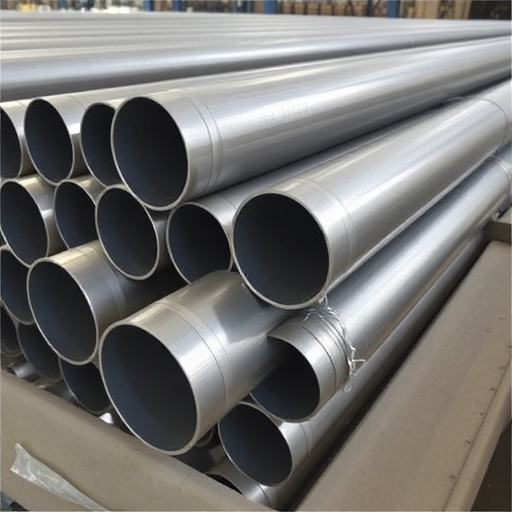
Can you weld galvanized steel pipe? This common material is used in many applications, from gas transportation to heating systems. But welding it isn't as simple as regular steel.
In this article, we'll explore the challenges and safety risks of welding galvanized steel pipes. You’ll learn how to handle these risks and achieve strong, durable welds.
Can Galvanized Steel Pipe Be Welded?
Welding galvanized steel pipes is a common practice in construction and industrial applications, but it comes with its own set of challenges. Galvanized steel pipes are coated with zinc to provide corrosion resistance, making them durable and long-lasting. However, this same zinc coating presents a few problems when it comes to welding. In this section, we’ll explore the key issues related to welding galvanized steel pipes, the common problems you may encounter, and how to overcome them for successful welding.
Key Issues Addressed
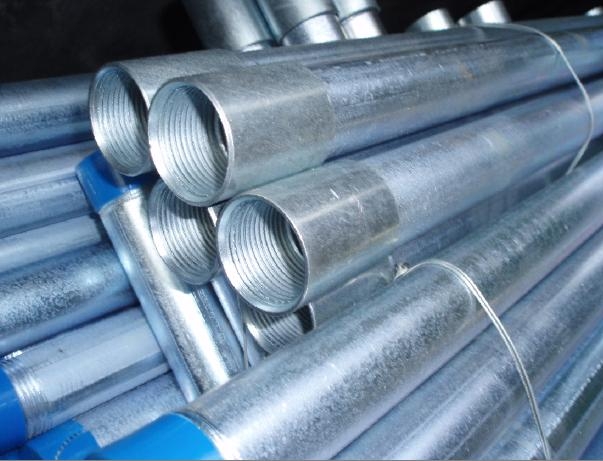
Yes, galvanized steel pipes can be welded, but special precautions are required. The zinc coating, which gives galvanized steel its corrosion-resistant properties, is a double-edged sword during the welding process. When the steel is exposed to the high temperatures of welding, the zinc vaporizes, creating zinc oxide fumes. These fumes are harmful to the welder’s health and can cause serious respiratory issues if proper safety precautions are not taken.
Additionally, welding galvanized steel pipes can compromise the corrosion resistance of the pipe. While the zinc coating protects the steel from rust, welding burns off the coating in the area around the weld. This exposed area becomes vulnerable to rust and corrosion unless treated properly after welding.
Common Problems When Welding Galvanized Steel Pipes
1. Release of Harmful Zinc Fumes: The most significant risk when welding galvanized steel pipes is the release of zinc oxide fumes. When the zinc coating is exposed to the intense heat of the welding arc, it vaporizes, turning into zinc oxide. These fumes can be hazardous if inhaled, causing a condition called metal fume fever, which has flu-like symptoms such as chills, fever, nausea, and fatigue. Prolonged exposure to these fumes can lead to more serious health problems, including lung damage.
The risk of inhaling these toxic fumes is particularly high in poorly ventilated areas, so it’s essential to have proper ventilation in place to protect welders from exposure.
2. Corrosion Issues Around the Weld Area: Another common issue when welding galvanized steel is the risk of corrosion. The zinc coating that covers the galvanized steel pipe is what gives it its corrosion-resistant properties. However, during welding, the heat causes the zinc to burn off in the weld area, leaving the steel exposed. This creates an unprotected surface, which can easily rust and corrode over time. Without proper treatment after welding, this area will be vulnerable to rust and damage, undermining the longevity and durability of the welded pipe.
Exposing the steel to the environment without any corrosion protection can shorten the lifespan of the welded joint and lead to structural integrity issues in the future. Therefore, it’s important to address this issue immediately after welding to prevent rust from forming.
How to Overcome These Issues
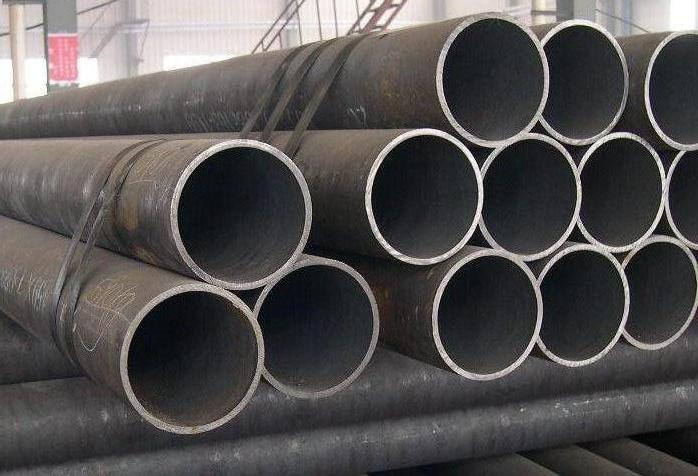
While welding galvanized steel pipes poses challenges, these issues can be mitigated with the right techniques and precautions. Here’s how you can overcome the common problems when welding galvanized steel pipes:
1. Zinc Layer Removal: The most effective way to reduce the release of harmful zinc fumes during welding is to remove the zinc coating from the area to be welded. This can be done by using several methods, including:
● Grinding: Grinding the zinc layer from the area to be welded is one of the most effective ways to remove the coating. A grinder with a wire brush or a grinding disk can be used to strip off the zinc coating, exposing the underlying steel. This method is relatively quick and ensures that the weld area is clean and ready for welding.
● Brushing: Another common method is to use a wire brush to remove the zinc coating. This is often done when preparing the pipe for welding in smaller areas. While it is effective for removing surface zinc, it may not be as thorough as grinding.
● Heat-Based Methods: Some welders use a heat-based method, such as a torch, to burn off the zinc. However, this method also generates harmful fumes, so proper ventilation is crucial when using it.
2. Proper Welding Techniques: Using the right welding settings and techniques is crucial for minimizing zinc vaporization and ensuring a high-quality weld. Some tips for proper welding techniques include:
● Lower Current and Shorter Arc Lengths: To avoid overheating the galvanized steel and burning off excessive zinc, it’s important to use a lower welding current. Additionally, use shorter arc lengths to control the heat applied to the surface, which helps reduce the vaporization of zinc and ensures better control over the weld.
● Welding in Intervals: Instead of continuously welding, break up the welding process into shorter intervals. This allows the weld area to cool down between passes and reduces the risk of excessive zinc vaporization.
● Use of Appropriate Welding Rods: The use of welding rods that are designed for galvanized steel can make the process easier. These rods have specific properties that allow them to work well with the zinc-coated surface, helping to avoid common issues like porosity or contamination in the weld pool.
● Preheat the Steel: In some cases, preheating the galvanized steel pipe before welding can help to reduce the amount of zinc vapor released during the process. This can be particularly useful when working with thicker coatings or larger pipe sections.
3. Post-Weld Treatment for Corrosion Protection: After welding, it’s important to restore the corrosion resistance of the galvanized steel pipe. Since welding burns off the zinc coating in the weld area, it’s necessary to reapply a protective layer to prevent rust. Here are some methods for post-weld treatment:
● Cold Galvanizing Spray or Zinc-Rich Paint: After welding, apply a cold galvanizing spray or zinc-rich paint to the exposed steel. These coatings are designed to provide a protective layer over the weld, helping to prevent corrosion and restore the original corrosion-resistant properties of the galvanized steel pipe.
● Hot-Dip Galvanizing: In some cases, especially for larger projects, the entire pipe may be dipped in a galvanizing bath after welding to restore the protective zinc coating. This method is ideal for pipes that require maximum corrosion resistance in harsh environments.
● Regular Inspection and Maintenance: Even with post-weld treatment, it's important to regularly inspect the welded areas for signs of corrosion. Early detection of rust can help prevent more severe damage in the future.
Health Risks and Safety Measures When Welding Galvanized Steel Pipes
Toxic Zinc Fumes from Vaporized Zinc
The primary health risk associated with welding galvanized steel pipes is exposure to zinc oxide fumes. These fumes are produced when the zinc coating vaporizes under the heat of welding. Inhaling these fumes can cause "metal fume fever," which is a flu-like illness characterized by symptoms such as chills, nausea, headache, and chest pain. Prolonged exposure can also lead to more serious respiratory issues.
Proper Ventilation Techniques
Ventilation is crucial when welding galvanized steel pipes. Proper ventilation ensures that zinc fumes are effectively dispersed, reducing exposure. When working indoors, consider using exhaust fans or fume extractors to draw the fumes away from the work area. If welding outdoors, the natural airflow can help to disperse the fumes, but safety measures should still be taken.
Personal Protective Equipment (PPE)
Always wear appropriate PPE when welding galvanized steel pipes:
● Welding Helmet: Protects the eyes and face from UV radiation, sparks, and hot metal.
● Respirator: Essential for filtering out harmful fumes and gases.
● Flame-Resistant Clothing and Gloves: Protects from burns and sparks generated during welding.
Other Safety Considerations
Weld splatter is a common issue in welding galvanized steel pipes. This molten metal is ejected from the weld pool and can cause burns or damage to surrounding materials. To minimize splatter, use proper shielding and adjust the welding techniques. Additionally, avoid using high current settings, as this increases the risk of zinc vaporization.
How to Prepare Galvanized Steel Pipe for Welding
Best Methods for Removing the Zinc Coating
The removal of the zinc coating is a critical step in preparing galvanized steel pipes for welding. Here are the most effective methods:
1. Grinding and Brushing: Grinding and brushing are the most common methods for removing the zinc coating. A wire brush or grinding tool is used to remove the zinc layer from the area to be welded. This is the most efficient method to ensure the weld area is clean.
2. Heat-Based Methods: Applying heat to burn off the zinc coating is another approach. However, this method generates toxic fumes, so it is important to use a fume extraction system to capture and remove the released gases.
Important Considerations for the Weld Area
Once the zinc coating is removed, it’s essential to clean the area thoroughly. Any remaining contaminants or zinc dust can weaken the weld and lead to defects such as porosity. Ensure the welding zone is completely free of contaminants before proceeding.
Technical Preparation for Welding
To achieve optimal welds, adjust the welding parameters:
● Current and Voltage Settings: Reduce the current and adjust voltage to minimize heat input, which helps prevent excessive vaporization of zinc.
● Welding Angle: Maintain the correct welding angle to ensure proper weld penetration and minimize defects.
● Arc Length: Use a shorter arc length to control the heat more effectively and ensure a stable weld.
Best Welding Methods for Galvanized Steel Pipes
MIG Welding (Gas Metal Arc Welding)
MIG welding, also known as gas metal arc welding (GMAW), is one of the best methods for welding thicker galvanized steel tubing. It is fast and provides high welding speed, making it ideal for larger projects. MIG welding uses a continuous wire feed to create a stable arc, making it easier to control the heat and minimize the vaporization of zinc.
TIG Welding (Tungsten Inert Gas Welding)
TIG welding, or gas tungsten arc welding (GTAW), is ideal for precise, high-quality welds, especially on thinner galvanized steel pipes. TIG welding offers excellent control over the heat input, making it suitable for applications that require clean and refined welds. This method also produces fewer fumes than MIG welding, making it safer when working with galvanized pipes.
Comparison with Other Welding Methods
Welding Method | Suitable For | Key Features |
MIG Welding (GMAW) | Thicker galvanized steel pipes | Faster welding speed, stable arc, higher efficiency |
TIG Welding (GTAW) | Thinner galvanized steel pipes | High-quality, precise welds with fewer fumes |
Oxyacetylene Welding | Small or thin pipes | Manual control, slower than MIG/TIG welding |
Stick Welding (SMAW) | Heavy-duty applications | More difficult to control fumes, not ideal for galvanized steel |
Post-Welding Repairs and Protection for Galvanized Steel Pipes
Re-coating the Weld Area with Zinc
After welding, the galvanized coating is likely compromised. To restore corrosion resistance, apply cold galvanizing compounds or zinc-rich paint to the weld area. This helps protect the welded surface from rust and ensures the pipe retains its corrosion-resistant properties.
Cleaning and Inspecting the Weld Area
After welding, inspect the area for defects such as porosity, cracks, or incomplete fusion. These defects can weaken the weld and affect the overall integrity of the pipe. A visual inspection followed by non-destructive testing (NDT) can help identify potential issues and ensure the weld is strong and durable.
Using Mechanical Connections as an Alternative to Welding Galvanized Steel Pipes
Advantages of Mechanical Connections
In some cases, mechanical connections may be a better alternative to welding galvanized steel pipes. Mechanical connections such as flanged connections or threaded fittings do not require the heating of the zinc coating, eliminating the risk of vaporizing zinc and releasing toxic fumes.
Common Mechanical Connection Methods
Here are a few common methods for mechanically joining galvanized steel pipes:
Connection Type | Description | Advantages |
Flanged Connections | Use of flanges to secure two pipes together | Secure, leak-free connections, easy to install and remove |
Threaded Fittings | Pipes with threaded ends that screw together | Flexible, easy to disconnect, no welding required |
Compression Fittings | A compression nut seals the joint | Quick installation, no need for welding tools |
Conclusion
Welding galvanized steel pipes is feasible, but it comes with challenges, especially due to the zinc coating. The process can release harmful fumes and lead to corrosion issues if not properly handled. Health and safety measures, such as ventilation and PPE, are essential during welding.
Alternatively, mechanical connections like flanged fittings or pipe cutters can be safer options to avoid these risks. For reliable solutions, [[Cangzhou Weiheng Pipe Industry Co., Ltd.]] offers high-quality galvanized pipes that ensure durability and performance.
FAQ
Q: Can you weld galvanized steel pipe?
A: Yes, galvanized steel pipes can be welded, but it requires removing the zinc coating to prevent harmful fumes and ensure a strong weld.
Q: What is the best method for welding galvanized steel pipe?
A: MIG and TIG welding are the best methods for welding galvanized steel pipes. These methods control heat input and reduce the risk of zinc vaporization.
Q: Why is welding galvanized steel pipe dangerous?
A: Welding galvanized steel pipes releases toxic zinc oxide fumes. These fumes can cause metal fume fever, a flu-like illness, if inhaled.
Q: How do I prepare galvanized steel pipe for welding?
A: Remove the zinc coating by grinding or brushing the area to be welded, ensuring a clean surface for a strong, defect-free weld.
Q: Are there alternatives to welding galvanized steel pipe?
A: Yes, mechanical connections like threaded fittings or flanged connections can be used to avoid the risks associated with welding galvanized steel pipes.


