Introduction
Choosing the right pipe material is crucial in industrial applications. Black steel pipe and galvanized steel pipe each have unique features that make them suitable for specific projects.
In this article, we will explore the key differences between the two, including corrosion resistance, cost, and common applications. You will learn how to choose the best option based on your project's needs and environment.
Major Differences Between Black Steel Pipe and Galvanized Steel Pipe
Surface Treatment and Appearance
The most noticeable difference between black steel and galvanized steel pipes lies in their surface treatment.
● Black Steel Pipe: Black steel pipes are uncoated, which means they have a natural layer of iron oxide (black scale) formed during the manufacturing process. This gives the pipe its dark, matte appearance. The absence of a coating makes it prone to rusting when exposed to moisture, leading to a shorter lifespan if not properly maintained.
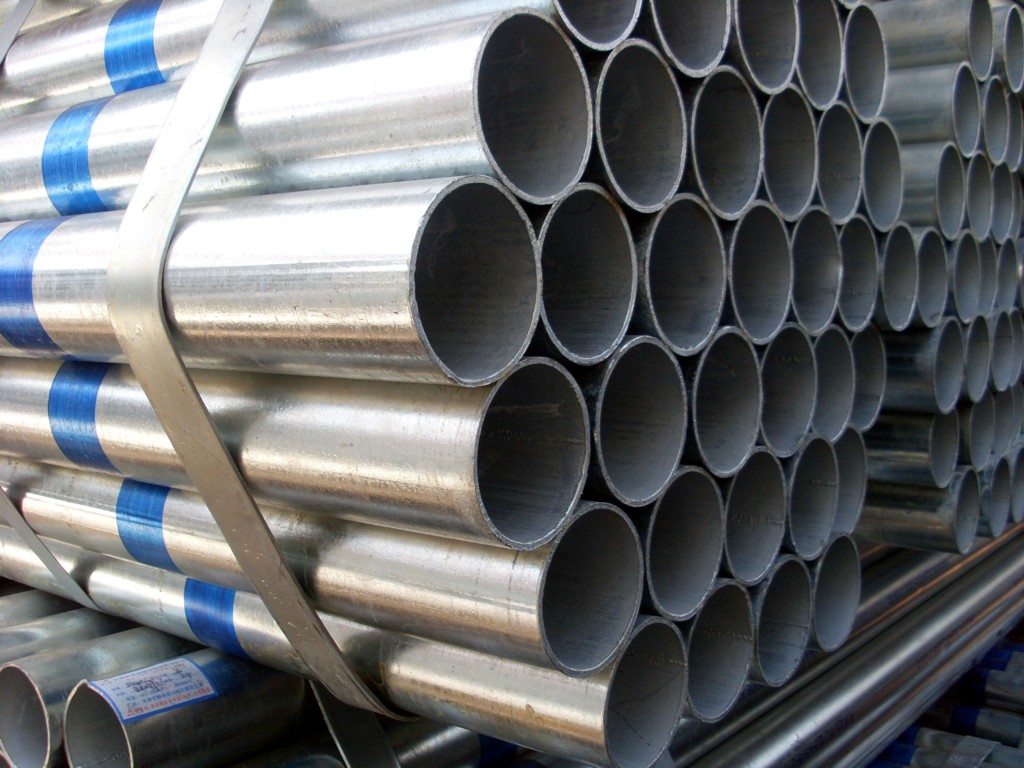
● Galvanized Steel Pipe: In contrast, galvanized steel pipes are coated with a layer of zinc through the hot-dip galvanization process. This zinc coating provides excellent corrosion resistance, making galvanized pipes highly durable even when exposed to moisture, chemicals, or harsh environmental conditions. The zinc layer acts as a sacrificial anode, protecting the underlying steel from corrosion.

Cost Comparison
Black steel pipes are generally more affordable than galvanized steel pipes. This is because galvanized steel pipes require an additional coating process (galvanization), which increases their manufacturing cost. However, galvanized steel pipes offer long-term savings due to their superior corrosion resistance. For projects with a high risk of exposure to water, chemicals, or other corrosive elements, the added initial cost of galvanized steel pipes is justified by their longer service life and reduced maintenance needs.
Corrosion Resistance
One of the biggest concerns when choosing a piping material is its ability to resist corrosion. Corrosion can lead to pipe degradation, leaks, and even catastrophic failure, especially in environments exposed to moisture or harsh chemicals.
● Black Steel Pipe: Black steel pipes have no protective coating, so they are highly susceptible to corrosion when exposed to water or humidity. This makes them unsuitable for use in outdoor environments or systems that transport liquids, especially in the long term.
● Galvanized Steel Pipe: Galvanized steel pipes, on the other hand, have a zinc coating that provides exceptional protection against corrosion. The zinc coating offers a barrier against moisture, preventing rust from forming and extending the life of the pipe. As a result, galvanized pipes are often used for water supply systems, outdoor structures, and industrial applications in humid or corrosive environments.
Property | Black Steel Pipe | Galvanized Steel Pipe |
Coating | None (iron oxide coating) | Zinc coating (hot-dip) |
Corrosion Resistance | Low, prone to rust | High, zinc acts as sacrificial anode |
Initial Cost | Lower | Higher due to galvanization |
Maintenance | Frequent repainting needed | Minimal maintenance required |
Advantages and Applications of Black Steel Pipe
Manufacturing and Characteristics
Black steel pipes are made from low-carbon steel, which gives them good mechanical strength and allows them to withstand high-pressure conditions. The natural iron oxide coating forms during the production process, offering minimal resistance to corrosion, but it provides excellent weldability and strength in high-temperature settings. These pipes can be welded without the need for special precautions, unlike galvanized steel pipes, which require extra steps during welding to protect the zinc coating.
Common Applications
Black steel pipes are typically used in applications where corrosion resistance is not a critical concern, and where high-temperature or high-pressure resistance is required. Common applications include:
● Natural Gas Lines: Black steel pipes are commonly used to transport natural gas and propane. They can withstand high pressures and are suitable for both residential and industrial gas supply systems.
● Oil Transmission: In the oil and gas industry, black steel pipes are used for transmitting crude oil and natural gas through pipelines.
● Fire Protection Systems: Due to their ability to handle high temperatures, black steel pipes are often used in fire sprinkler systems. While black steel pipes are great for these applications, they are not suitable for transporting potable water, as the pipes can corrode over time when exposed to water.
Limitations and Maintenance Requirements
The major limitation of black steel pipes is their susceptibility to corrosion, particularly in wet or humid environments. As they are uncoated, they can rust quickly when exposed to moisture, which leads to internal corrosion and potential blockages. To mitigate this issue, black steel pipes require regular maintenance, including painting or coating, to protect them from corrosion. Additionally, rust and scale buildup inside the pipes can reduce the flow of fluids and increase the risk of leaks.
Advantages and Applications of Galvanized Steel Pipe
Manufacturing Process
Galvanized steel pipes undergo a hot-dip galvanization process where the steel is immersed in a molten zinc bath. The result is a durable, corrosion-resistant zinc coating that adheres firmly to the steel. This coating significantly enhances the pipe's ability to resist rust and corrosion, even in harsh environments. Galvanized pipes are also more resistant to external damage than black steel pipes, as the zinc layer acts as a protective shield.
Common Applications
Galvanized steel pipes are best suited for applications that involve exposure to water, moisture, or corrosive elements. Some common uses include:
● Water Supply Systems: Galvanized steel pipes are widely used in water transport systems due to their resistance to rust and corrosion. They are commonly found in municipal water systems, as well as in residential and commercial plumbing.
● Agricultural Irrigation: Galvanized pipes are ideal for use in irrigation systems, where they can withstand prolonged exposure to water and moisture.
● Outdoor Structures: Galvanized pipes are frequently used in fencing, scaffolding, and other outdoor structures that require long-term durability.
Limitations and Maintenance Considerations
Although galvanized pipes are highly durable, there are some limitations. The zinc coating can degrade in extremely hot or acidic environments, which can cause the coating to break down and expose the underlying steel to corrosion. Additionally, welding galvanized pipes requires care, as the zinc coating produces harmful fumes when heated. Special precautions, such as grinding off the coating before welding, are necessary to avoid health hazards.
Application | Black Steel Pipe | Galvanized Steel Pipe |
Water Systems | Not suitable | Ideal for water transport |
Outdoor Applications | Requires protection from rust | Excellent for outdoor use |
Fire Protection | Ideal for high temperatures | Not recommended due to lower heat resistance |
Key Performance Comparison: Temperature Resistance and Strength
High-Temperature Performance
One of the standout advantages of black steel pipes is their ability to perform under high-temperature conditions. Black steel pipes can handle temperatures of up to 350°C without significant degradation, making them ideal for use in high-temperature applications such as steam lines, oil transmission, and industrial processes. This makes them the preferred choice for industries that require pipes capable of withstanding extreme heat.
Temperature Limitations of Galvanized Steel Pipe
Galvanized steel pipes, while strong and durable, have a much lower temperature tolerance. The zinc coating begins to degrade at temperatures above 200°C, causing it to become brittle and less effective at protecting the steel beneath. As a result, galvanized pipes are unsuitable for high-temperature applications such as steam lines or hot oil transmission. Black steel pipes, on the other hand, remain robust in these conditions, making them the better choice for such environments.
Performance Property | Black Steel Pipe | Galvanized Steel Pipe |
Temperature Tolerance | Up to 350°C | Up to 200°C |
High-Temperature Use | Ideal for high-temperature applications | Not recommended for high-temperature use |
Factors to Consider When Choosing Between Black Steel Pipe and Galvanized Steel Pipe
Project Requirements and Specifications
The decision to use black steel or galvanized steel should be guided by the specific requirements of your project. If your project involves transporting gas, oil, or other fluids in a dry, low-corrosion environment, black steel pipes are a cost-effective solution. However, if your project requires the transport of water, especially in outdoor or corrosive environments, galvanized steel pipes should be the preferred choice.
Environmental Conditions and Corrosion Risk
Environmental conditions play a significant role in determining which pipe material is suitable for your project. For outdoor applications exposed to moisture, chemicals, or extreme weather conditions, galvanized steel pipes are the superior choice due to their enhanced corrosion resistance. Black steel pipes are more suited for dry indoor environments or applications where the pipe will be protected from exposure to moisture.
Budget and Long-Term Cost Efficiency
While black steel pipes are less expensive upfront, they require regular maintenance to prevent rust and corrosion. This includes painting and coating, which can add to the overall cost of ownership. Galvanized steel pipes, on the other hand, offer better long-term value due to their durability and minimal maintenance requirements. For projects with a long lifespan and exposure to moisture, galvanized pipes provide significant cost savings over time.
Practical Application Case Studies
Real-World Use Cases for Black Steel Pipe
● Gas Distribution: Black steel pipes are commonly used in residential and industrial gas lines due to their ability to withstand high pressure.
● Fire Protection Systems: Black steel pipes are ideal for fire sprinkler systems where heat resistance is crucial.
Real-World Use Cases for Galvanized Steel Pipe
● Water Supply Systems: Galvanized steel pipes are used extensively in municipal and residential water supply systems due to their corrosion resistance.
● Agricultural Irrigation: Galvanized pipes are perfect for irrigation systems that require resistance to rust and corrosion over long periods.
Conclusion
Black steel pipes are well-suited for high-temperature, low-corrosion industrial applications. In contrast, galvanized steel pipes offer superior corrosion resistance, making them ideal for outdoor and moisture-exposed environments.
When selecting the right pipe, consider your project's specific needs and long-term cost. For tailored solutions, Cangzhou Weiheng Pipe Industry Co., Ltd. provides custom steel pipes that deliver exceptional performance and value, designed to meet unique project requirements.
FAQ
Q: What is the difference between galvanized steel pipe and black steel pipe?
A: Galvanized steel pipe has a zinc coating that offers excellent corrosion resistance, while black steel pipe is uncoated and prone to rust. Galvanized pipes are ideal for moisture-exposed environments, whereas black steel pipes are better for high-temperature, low-corrosion settings.
Q: Can galvanized steel pipes be used for gas lines?
A: No, galvanized steel pipes are not suitable for gas lines because the zinc coating reacts with gas over time, potentially causing blockages and bursts. Black steel pipes are recommended for gas transportation.
Q: Why are galvanized steel pipes more expensive than black steel pipes?
A: Galvanized steel pipes cost more due to the additional hot-dip galvanization process, which adds a protective zinc coating. This extra step increases manufacturing costs but provides better corrosion resistance, reducing long-term maintenance.
Q: How long do galvanized steel pipes last?
A: Galvanized steel pipes can last up to 50 years or more, depending on the environment. The zinc coating protects the pipe from rust, making them ideal for outdoor and moisture-prone applications.
Q: How do I choose between galvanized steel pipe and black steel pipe for my project?
A: Choose galvanized steel pipe for environments exposed to moisture or corrosive elements, like water supply systems and outdoor applications. Black steel pipe is better for high-temperature or low-corrosion settings, such as gas lines and fire protection systems.


