1. Introduction
Are you using the right galvanized steel pipe for your project? Selecting the wrong schedule can lead to costly failures.
In this guide, we’ll help you understand how to choose the correct galvanized steel pipe schedule for your needs.
You’ll learn about different schedules, their applications, and how to make an informed decision to ensure the success of your project.
2. Understanding Galvanized Steel Pipes
2.1 What is Galvanized Steel Pipe?
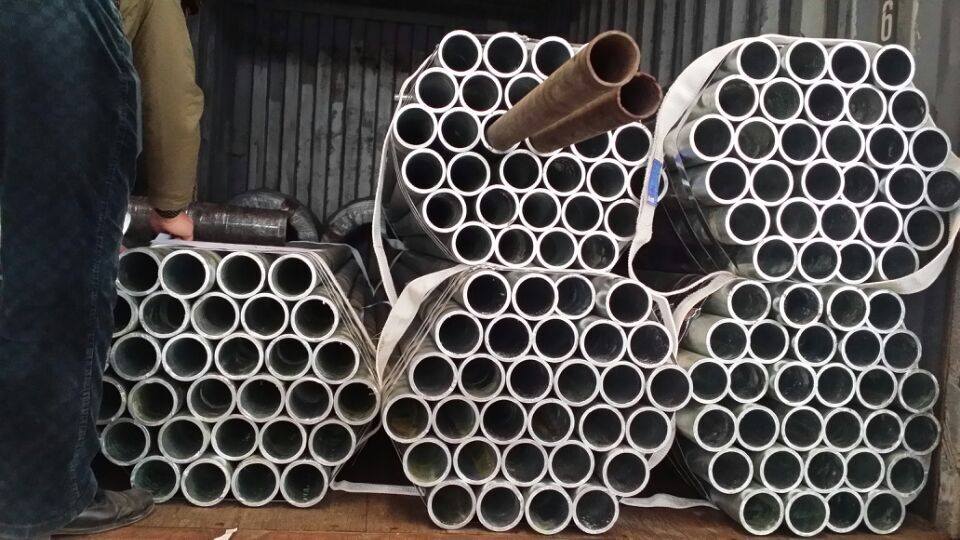
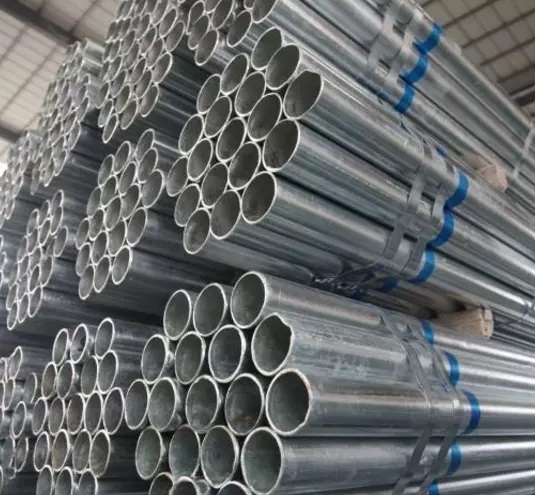
A galvanized steel pipe is a steel pipe coated with a layer of zinc to protect it from rust and corrosion. The zinc acts as a protective shield, preventing moisture and air from reaching the steel, thus significantly extending the pipe’s lifespan.
The most common method of galvanizing is hot-dip galvanizing, where the steel pipe is submerged in molten zinc. This process creates a strong, metallurgically bonded layer that ensures long-lasting protection. Galvanized steel pipes are a preferred choice across various industries, including construction, plumbing, and agriculture, due to their durability and cost-effectiveness.
2.2 Common Applications of Galvanized Steel Pipe
Galvanized steel pipes are used in a wide range of industries due to their resilience against corrosion. Some of the primary applications include:
● Construction: These pipes are commonly used for scaffolding, structural supports, and handrails due to their corrosion resistance, making them ideal for outdoor and high-exposure environments.
● Plumbing: Galvanized pipes were once widely used for water supply lines. However, they are increasingly being replaced in many modern plumbing systems due to concerns about zinc leaching.
● Agriculture: They are commonly used for irrigation systems, greenhouse framing, and fencing posts, where regular exposure to moisture is common.
The two primary types of galvanized pipes are:
1. Hot-Dip Galvanized: Offers superior corrosion protection, making it ideal for harsh environments such as coastal or industrial areas.
2. Electro-Galvanized: This process involves applying a thinner zinc coating, often used for indoor applications where corrosion risk is low.
Type of Galvanized Pipe | Coating Method | Best Use | Corrosion Resistance |
Hot-Dip Galvanized | Submersion in molten zinc | High-exposure outdoor areas, structural work | Very High |
Electro-Galvanized | Electroplating | Indoor applications, light-duty uses | Moderate |
Tip: If you're working in a high-exposure environment, hot-dip galvanized pipes are the best choice due to their superior corrosion resistance.
3. Selecting the Right Galvanized Steel Pipe Schedule
3.1 What is Pipe Schedule in Galvanized Steel Pipes?
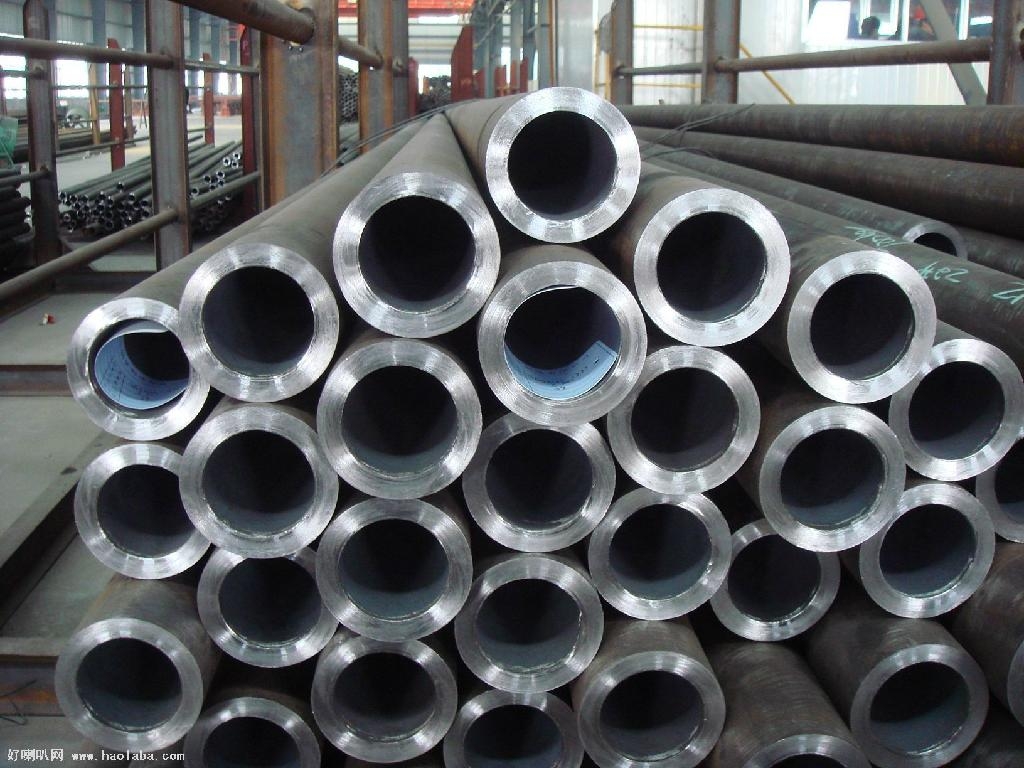
The schedule of a galvanized steel pipe refers to its wall thickness, which directly impacts the pipe's pressure capacity, strength, and overall performance. The schedule number increases with the thickness of the pipe wall. As the wall thickness increases, the pipe becomes stronger and capable of withstanding higher pressure levels.
The schedule number is a key determinant in ensuring that the pipe can handle the specific demands of an application, whether for light residential use or heavy industrial purposes. If the schedule is too low for the intended application, the pipe might not endure the required pressure, leading to premature failure or system malfunction.
In general, galvanized steel pipes come in various schedules, with two of the most commonly used being Schedule 40 and Schedule 80. These are differentiated by their wall thickness, which determines their suitability for different applications.
● Schedule 40: This is the standard schedule for most applications. It features a moderate wall thickness, making it ideal for most residential and commercial projects where the pressure requirements are relatively low to moderate.
● Schedule 80: This schedule has thicker walls, making it designed for high-pressure systems and heavy-duty applications. The added thickness provides more strength, allowing the pipe to withstand higher pressure, making it suitable for industrial settings.
Below is a comparison of the wall thickness and typical use for Schedule 40 and Schedule 80 pipes:
Schedule | Wall Thickness | Common Use | Pressure Rating |
Schedule 40 | Moderate | Residential plumbing, drainage | Standard Pressure |
Schedule 80 | Thick | Industrial, high-pressure systems | High Pressure |
As the table shows, Schedule 40 is typically used for residential plumbing or drainage, while Schedule 80 is intended for industrial applications where higher pressure tolerance is required. It's important to note that choosing the wrong schedule can lead to potential issues such as pipe failure under pressure or unnecessary cost for overbuilt systems.
3.2 How to Choose the Right Schedule for Your Needs?
When selecting the appropriate schedule for galvanized steel pipes, there are several factors to consider. Understanding the pressure capacity, the type of application, and the environmental conditions can help you choose the correct schedule for your specific needs.
1. Pressure Requirements
The pressure that the system will experience is one of the most critical factors in choosing the right pipe schedule. Schedule 40 pipes are suitable for standard pressure applications, such as residential water plumbing and drainage systems. However, for applications involving high-pressure systems, such as in industrial, chemical, or gas transport systems, Schedule 80 is necessary. The thicker walls of Schedule 80 pipes can handle the increased pressure without risk of rupture or failure.
For instance, if you're working on a residential water supply project, Schedule 40 will generally suffice, but if you're handling high-pressure fluid systems in an industrial facility, Schedule 80 will provide the necessary strength and safety.
2. Application Type
The type of application plays a significant role in determining the right schedule. For lightweight applications, like residential plumbing or simple drainage systems, Schedule 40 is a good fit. It's commonly used in low-pressure systems where the pipes will not face extreme stresses. For example, it is ideal for water lines in homes or irrigation systems in agricultural settings.
On the other hand, for more heavy-duty applications, such as high-pressure systems, Schedule 80 is the better choice. This includes industrial systems where the pipes will experience constant or fluctuating high pressures, such as steam lines or chemical pipelines. Schedule 80 pipes are also ideal for load-bearing structural applications that require additional strength and durability.
3. Environmental Conditions
The environment in which the pipe will be used is another key consideration. Galvanized steel pipes are known for their corrosion resistance due to the zinc coating, but exposure to harsh conditions can still affect their performance. Schedule 40 pipes are suitable for dry or indoor environments where exposure to moisture and harsh chemicals is minimal.
However, for outdoor applications or environments with high moisture levels, temperature fluctuations, or aggressive chemicals, it's wise to opt for a thicker-walled pipe like Schedule 80. For example, in coastal areas with salty air, or in chemical plants, Schedule 80 pipes can withstand these harsh conditions more effectively due to their added thickness and strength.
Here’s a table to compare how the schedule of the pipe affects key factors such as pressure capacity, cost, and durability:
Factors to Consider | Schedule 40 | Schedule 80 |
Pressure Capacity | Suitable for standard use | Ideal for high-pressure applications |
Cost | Lower cost | Higher cost due to thicker walls |
Durability | Standard durability | Higher durability for demanding environments |
Typical Applications | Residential plumbing, drainage | Industrial, chemical, and high-pressure systems |
As seen in the table, Schedule 40 pipes are ideal for typical residential and commercial plumbing jobs, where cost is a factor, and the pressure is not extreme. Schedule 80 pipes, although more expensive, provide superior durability and strength, making them the preferred choice for industrial systems where performance and safety are paramount.
4. Comparing Schedule 40 and Schedule 80
4.1 Schedule 40 Galvanized Steel Pipe
Schedule 40 is the most commonly used galvanized pipe. It is designed for a variety of low-pressure applications, making it ideal for:
● Plumbing: Used in low-pressure water systems for residential and light commercial projects.
● Structural Applications: Perfect for lightweight structural work that doesn’t require high-pressure resistance.
Specifications:
● Wall Thickness: Moderate
● Pressure Rating: Suitable for standard plumbing and light-duty applications
Feature | Schedule 40 |
Wall Thickness | Moderate |
Pressure Rating | Standard for most uses |
Common Applications | Plumbing, light-duty framing |
4.2 Schedule 80 Galvanized Steel Pipe
Schedule 80 pipes feature thicker walls, making them suitable for high-pressure and heavy-duty applications such as:
● Industrial Systems: Piping used for gas, steam, and high-pressure water systems.
● Heavy-Duty Plumbing: Essential in situations where pipe strength is critical to prevent failure under stress.
Specifications:
● Wall Thickness: Thick
● Pressure Rating: Suitable for high-pressure applications
Feature | Schedule 80 |
Wall Thickness | Thick |
Pressure Rating | High, suitable for heavy-duty systems |
Common Applications | Industrial, high-pressure plumbing |
4.3 Which One Is Right for Your Project?
When deciding between Schedule 40 and Schedule 80, consider the following:
● Pressure Needs: If your system requires high-pressure handling, Schedule 80 is your best bet.
● Cost vs. Strength: For residential or light commercial projects, Schedule 40 is a cost-effective choice that still provides reliable performance.
● Application Type: If you need a pipe for structural or low-pressure uses, Schedule 40 suffices, but for industrial or high-pressure work, Schedule 80 is essential.
Application | Schedule 40 | Schedule 80 |
Residential Plumbing | Suitable | Not necessary |
High-Pressure Systems | Insufficient | Ideal |
Structural Applications | Suitable for light use | Required for heavy-duty systems |
5. How to Measure and Size Galvanized Steel Pipes Correctly
5.1 Key Dimensions: NPS and Wall Thickness
Nominal Pipe Size (NPS) refers to the approximate internal diameter of the pipe. While NPS helps define the general size, the actual dimensions depend on the pipe schedule. The wall thickness plays a critical role in determining the pipe’s pressure capacity and strength.
Dimension | Impact on Performance |
Nominal Pipe Size (NPS) | Determines internal diameter and flow capacity |
Wall Thickness | Affects pressure resistance and durability |
Common sizes for galvanized pipes range from ½ inch to 6 inches for residential and commercial uses. Larger sizes are used for industrial applications.
5.2 Pre-installation Size Verification
Before installation, verify that the pipe dimensions meet the project requirements. Use a pipe caliper or refer to the engineering tables to ensure that the size matches your needs. Incorrect sizing can lead to installation delays and performance issues.
Size Verification Step | Action |
Measure Pipe Diameter | Use a caliper or reference chart |
Check Wall Thickness | Ensure it aligns with project needs |
6. Zinc Coating Quality and Inspection of Galvanized Steel Pipes
6.1 The Role of Zinc Coating and Standards
The zinc coating on galvanized steel pipes serves as a critical layer for corrosion protection. A thicker zinc coating will ensure the pipe lasts longer, especially in challenging environments. There are industry standards for coating thickness, such as ASTM A123, which defines the minimum coating requirements.
Coating Standards | Thickness Range | Application |
ASTM A123 | Varies by pipe size | Protects against corrosion |
6.2 How to Inspect the Coating Quality
Inspect galvanized pipes for any defects in the coating, such as:
● Flaking or Peeling: Indicates poor coating quality.
● Exposed Steel: Check for areas where the zinc layer is missing.
Proper inspection is crucial to avoid early corrosion and ensure long-term performance.
Defect | Impact | Inspection Action |
Flaking/Peeling | Leads to rusting of exposed steel | Reject or touch up affected areas |
Exposed Steel | Accelerates corrosion | Apply touch-up coating |
7. Choosing Reliable Suppliers and Manufacturers
7.1 Key Factors in Supplier Selection
When selecting a supplier for galvanized steel pipes, consider the following factors:
● Certifications: Ensure the supplier adheres to industry standards like ASTM and ISO for quality assurance.
● Quality Control: Reliable suppliers have robust quality control processes to guarantee consistent product performance.
● Customer Service: Good suppliers provide support and guidance in selecting the right products.
7.2 Competitive Analysis of Top Brands and Suppliers
Here’s a comparison of some leading suppliers of galvanized steel pipes:
Brand | Pipe Type | Notable Features | Price Range (per ft) |
Nucor | Hot-Dip Galvanized | High corrosion resistance | $4.00 - $6.00 |
Tenaris | Hot-Dip Galvanized | Heavy-duty applications (Schedule 80) | $7.00 - $9.00 |
Jindal | Pre-Galvanized | Affordable, light-duty use | $2.50 - $3.50 |
Choosing the right supplier involves not just price comparison but also evaluating the quality of their products and their ability to meet industry standards.
8. Conclusion
Choosing the right galvanized steel pipe schedule is crucial for project success. It involves considering factors like application, coating quality, size, and schedule to ensure the pipe meets your needs.
Selecting the appropriate schedule helps with long-term performance and cost-effectiveness. This decision will prevent future issues and optimize your investment.
Cangzhou Weiheng Pipe Industry Co., Ltd. specializes in providing custom galvanized pipes tailored to specific project requirements. Their products offer durability, flexibility, and real value, ensuring reliable performance for various construction and industrial applications.
FAQ
Q: What is a galvanized steel pipe schedule?
A: A galvanized steel pipe schedule refers to the pipe’s wall thickness, which affects its strength and pressure capacity. Common schedules include Schedule 40 for standard applications and Schedule 80 for high-pressure systems.
Q: How do I choose the right galvanized steel pipe schedule for my project?
A: Consider factors like pressure requirements, application type, and environmental conditions. For high-pressure systems, choose Schedule 80. For standard applications, Schedule 40 is sufficient.
Q: Why is Schedule 80 better for high-pressure systems than Schedule 40?
A: Schedule 80 has thicker walls, allowing it to withstand higher pressures compared to Schedule 40, making it ideal for heavy-duty or industrial applications.
Q: Can galvanized steel pipe be used in outdoor environments?
A: Yes, galvanized steel pipes are ideal for outdoor environments, especially hot-dip galvanized ones, due to their excellent corrosion resistance.
Q: What is the difference between Schedule 40 and Schedule 80 galvanized steel pipe?
A: Schedule 40 has moderate wall thickness and is suitable for standard pressure applications. Schedule 80 has thicker walls, designed for high-pressure and industrial uses.
Q: How do I measure galvanized steel pipes to ensure correct sizing?
A: Use the Nominal Pipe Size (NPS) for diameter and measure the wall thickness to ensure the correct pipe size for your project. Ensure it matches your specific pressure and application needs.


