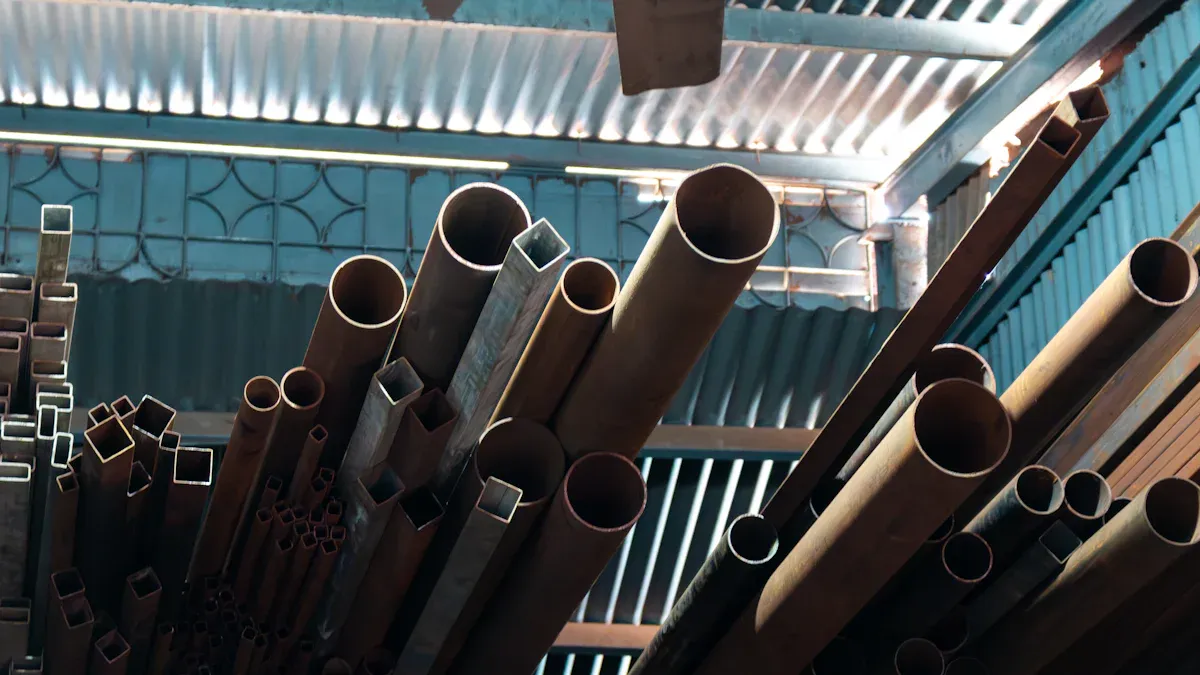
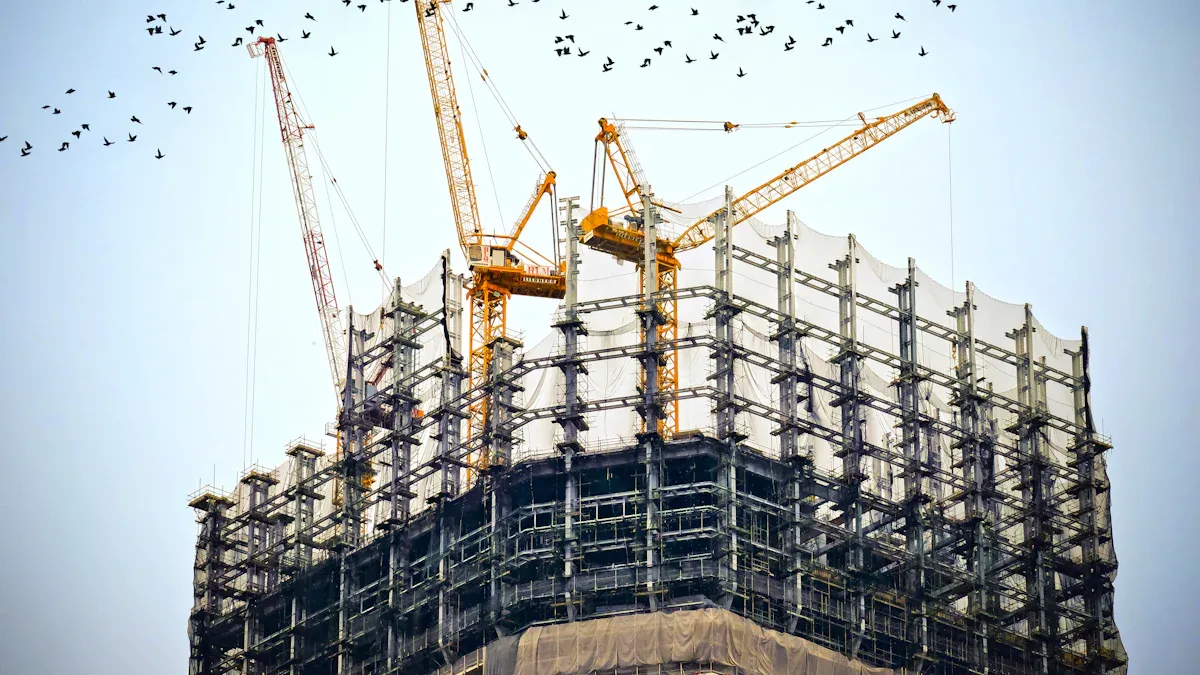
You encounter galvanized steel pipe in many modern construction projects. This pipe features a zinc coating that shields the steel from corrosion, making it ideal for plumbing systems, drainage systems, and long-lasting construction. You see it used in domestic plumbing systems, structural support in construction, and water transportation. The table below shows why professionals choose galvanized steel pipes for reliability, safety and reliability, and their use in residential buildings and commercial and industrial settings.
Reason
Description
Durability
Galvanized steel pipes can last 80 to 100 years due to their protective zinc coating.
Cost-effectiveness
While initial costs may be higher, their longevity leads to fewer replacements and repairs.
Resistance to Corrosion
The zinc coating provides excellent protection against moisture and chemical reactions.
Versatility
Suitable for various applications, including plumbing, irrigation, and structural support.
Environmental Impact
Fully recyclable without quality loss, promoting sustainable practices.
Key Takeaways
Galvanized steel pipes have a zinc coating that protects against rust and corrosion, making them ideal for long-lasting construction.
These pipes can last 80 to 100 years, providing excellent durability and reducing the need for frequent replacements.
Galvanized steel pipes are versatile and can be used in plumbing, structural support, fencing, and HVAC systems.
The initial cost of galvanized steel pipes may be higher, but their longevity and low maintenance make them cost-effective over time.
Regular maintenance, such as inspections and cleaning, helps extend the life of galvanized steel pipes and ensures reliable performance.
Galvanized steel is fully recyclable, supporting sustainable building practices and reducing environmental impact.
Avoid using galvanized steel pipes in highly acidic or marine environments, as these conditions can accelerate corrosion.
Choosing a reputable supplier, like WEIHENG PIPE, ensures high-quality galvanized steel pipes that meet industry standards.
Galvanized Steel Pipe Overview
Definition of Galvanized Steel Pipe
You may wonder what sets galvanized steel pipe apart from other types of steel pipes. The galvanized pipe definition centers on a steel pipe that receives a protective zinc coating during manufacturing. This zinc layer shields the steel from moisture and chemical reactions, which helps prevent rust and corrosion. The process creates a durable product that stands up to harsh environments.
To understand how galvanized steel pipe differs from other steel pipes, look at the table below:
Industry standards require specific zinc coating thicknesses to ensure quality and performance. The table below shows the standard thickness for galvanized steel:
Wall Thickness (mm)
Average Coating Thickness (μm)
Minimum Average Value (μm)
Minimum Local Value (μm)
≥ 6
85
65
45
3 < wall thickness < 6
70
65
45
Thickened Layer
85
85
70
You will find that galvanized steel comes in several grades and specifications. Some of the most common include:
These grades help you select the right pipe for your project, whether you need strength, flexibility, or corrosion resistance.
Role of Galvanized Steel Pipe in Construction
Galvanized steel plays a vital role in modern construction. You rely on it for its strength, durability, and ability to resist environmental damage. The zinc coating acts as a sacrificial layer, protecting the steel underneath from rust and corrosion. This feature makes galvanized steel pipe especially useful in places with high moisture, such as outdoor installations and underground systems.
You will see galvanized steel used in many construction applications:
Water Supply Systems: These pipes handle large volumes of water at high pressures. You often find them in commercial and industrial buildings.
Drainage Systems: The smooth interior surface allows wastewater to flow easily, reducing the risk of clogs. The zinc coating protects against corrosion from sewage.
Structural Support: Builders use galvanized steel pipes to create frames for buildings and other structures. These pipes provide strength and durability, especially outdoors.
Fencing and Guardrails: Galvanized steel pipes are common in fences, guardrails, and municipal engineering projects.
You benefit from galvanized steel because it lasts longer than untreated steel. The zinc coating not only prevents rust but also extends the lifespan of the pipe. This makes galvanized steel a smart choice for projects where you need reliability and low maintenance.
Tip: When you choose galvanized steel pipe for your construction project, you invest in a material that offers both strength and long-term protection against the elements.
Galvanized steel pipe stands out for its versatility and performance. You can use it in plumbing, framing, and outdoor structures, knowing it will resist wear and tear. This reliability makes it a preferred option for many builders and engineers.
Galvanized Steel Pipe Manufacturing
Hot-Dip Galvanizing Process
You can create galvanized steel pipes using the hot-dip galvanization method. This process gives the pipe a thick, durable zinc coating that provides strong protection against rust and corrosion. Here are the main steps you will find in hot-dip galvanization:
Surface Preparation: You clean the steel pipes to remove oil, dirt, and mill scale. This step often uses a caustic solution and acid pickling.
Fluxing Treatment: You apply a flux to the pipe. This helps the zinc stick to the steel surface.
Dipping: You immerse the pipes in a bath of molten zinc at about 450°C. The zinc bonds with the steel, forming a protective layer.
Formation of Intermetallic Layers: As the steel and zinc react, they create strong intermetallic layers that improve adhesion and durability.
Cooling: You cool the pipes, which solidifies the zinc coating and locks in the protection.
Hot-dip galvanization produces a coating thickness between 45 and 200 microns. This thick layer gives you excellent durability and corrosion resistance, especially in harsh environments.
The thickened coating produced by the hot-dip galvanization method offers better protection, particularly in abrasive situations such as many industrial or marine uses.
Electro-Galvanizing Process
You can also use the electro-galvanizing process to coat steel pipes. This method uses an electric current to deposit zinc onto the steel surface. The steps include:
Cleaning the steel pipe with a caustic solution and rinsing it.
Using an acidic solution to remove any remaining scale, then rinsing again.
Applying a flux to help the zinc adhere.
Passing an electric current through a zinc solution to coat the pipe.
Quenching the pipe to maintain the zinc coating.
Electro-galvanized pipes have a thinner zinc layer, usually between 5 and 25 microns. This makes them less durable than hot-dip galvanized pipes. You may need to perform extra maintenance or add paint for more protection in tough environments.
Method
Coating Thickness (microns)
Durability and Corrosion Resistance
Hot-Dip Galvanizing
45 to 200
Greater durability and corrosion resistance
Electro-Galvanizing
5 to 25
Less durable and lower corrosion resistance
Unique Features of Galvanized Steel Pipe
You will notice several unique features when you use galvanized steel pipes:
The zinc coating acts as a protective suit, shielding the steel from moisture, oxygen, and chemicals.
Galvanized pipes maintain their strength even under high temperatures, which makes them useful for fire safety.
You do not need to reapply the zinc layer. The protection lasts for decades, even in buried or wet conditions.
These pipes can handle constant water exposure without weakening.
Galvanized steel pipes stand out because they combine strength, durability, and long-lasting protection. You can trust them to perform well in many construction environments.
Advantages of Galvanized Steel Pipes
Corrosion Resistance
You want your construction projects to last, and corrosion resistance plays a big role in achieving that goal. Galvanized steel stands out because its zinc coating acts as a barrier, protecting the steel from moisture, oxygen, and chemicals. This layer provides corrosion protection, which means you can use galvanized steel pipes in environments where rust would quickly damage other materials.
Different galvanization techniques offer varying levels of corrosion resistance. The table below shows how each method compares:
Galvanization Technique
Description
Corrosion Resistance Implication
Hot-dip galvanization
Thick coating, metallic bond with steel
Best corrosion resistance due to thicker zinc
Spin dipping
Used for threaded or fitted parts
Moderate resistance, depends on coating
Electroplating
Used for specific applications
Varies with thickness and application
Thermally spraying
Sometimes used for steel piles
Good protection, varies by use
Painting
Used as repair for nicks
Limited protection, not a primary method
When you compare galvanized steel pipe to copper or plastic pipes, you see some differences in corrosion resistance:
Pipe Type
Corrosion Resistance
Notes
Galvanized Steel
Zinc coating gives initial protection, but can wear away over time
Once zinc is gone, steel may rust, affecting water quality and flow
Copper
Naturally corrosion resistant, no coating to wear off
Superior long-term performance
Plastic (PVC)
Fully corrosion-resistant, but lacks strength for high pressure or temperature
Good for some uses, not all
You can rely on galvanized steel for strong corrosion resistance in many situations, but you should monitor the condition of the zinc layer over time.
Durability and Longevity
Galvanized steel gives you impressive durability and longevity. The zinc coating not only protects against corrosion but also adds to the pipe’s strength. You can expect galvanized steel pipes to last for decades, even in tough environments. This makes them a smart choice for construction projects where you want materials that stand the test of time.
To keep your pipes in top shape, you should follow some simple maintenance steps:
Regular maintenance extends the service life of galvanized pipes.
Periodic inspections for corrosion and leaks help prevent system failures.
Avoiding damage to the coating during installation is crucial for longevity.
You can spot signs of aging by looking for rust-colored water, low water pressure, or visible external corrosion. These signs mean the pipe may be nearing the end of its operational life. By staying alert to these issues, you help ensure the longevity of your system.
Tip: Galvanized steel pipes often last 80 to 100 years with proper care, making them one of the most reliable options for long-term use.
Cost-Effectiveness
You want to keep your project within budget, and galvanized steel helps you do that. The initial cost of galvanized steel pipes is lower than copper pipes, which makes them attractive for large-scale construction. Over time, the benefits of galvanized pipes become clear as their durability and longevity reduce the need for frequent replacements.
Here are some ways galvanized steel supports cost-effectiveness:
Galvanized steel pipes offer superior corrosion resistance, reducing replacement costs.
Long-term durability means fewer repairs and less downtime.
Decreased maintenance demands further reduce overall expenses.
You also find that ERW galvanized pipes provide financial benefits over seamless or spiral welded pipes. Their competitive unit prices and streamlined installation requirements lead to continuous savings throughout the project’s lifespan.
Note: Choosing galvanized steel for your construction project means you get a balance of performance, longevity, and cost savings.
By understanding the advantages of galvanized steel, you can make informed decisions that benefit your construction projects now and in the future.
Environmental Resistance
You want your construction materials to stand up to the toughest environmental challenges. Galvanized steel pipes give you this advantage. The zinc coating on these pipes acts as a shield, keeping moisture and corrosive elements away from the steel. This makes galvanized steel a smart choice for outdoor projects, industrial sites, and places where weather can be unpredictable.
Here is a quick look at how galvanized steel pipes compare to other materials when facing environmental stress:
Feature
Description
Corrosion Resistance
The zinc coating acts as a shield, preventing moisture and other corrosive elements from getting in.
Durability
Galvanized steel can handle tough environmental conditions, making it perfect for outdoor and industrial use.
Sacrificial Protection
If the zinc coating is scratched or damaged, the zinc will corrode first, protecting the steel underneath.
You can rely on galvanized steel pipes in extreme weather. These pipes keep their strength in high winds, heavy rain, and even extreme temperatures. Many other materials, like plastic or untreated steel, may crack, warp, or rust under these conditions. Galvanized steel stays strong and keeps your project safe.
If you live near the coast, you know how salt in the air can speed up rust and corrosion. The zinc layer on galvanized steel pipes acts as a sacrificial barrier. It takes the damage from salt and moisture, so the steel inside stays protected. This means you can use galvanized steel for docks, bridges, and buildings near the ocean without worrying about quick wear and tear.
Tip: Galvanized steel pipes are non-combustible. You can use them in areas with wildfire risk or frequent lightning storms. They do not burn or release toxic fumes, unlike some plastic pipes.
You also get peace of mind during storms. Galvanized steel has high tensile strength and a lightweight design. It resists impacts from hail, flying debris, and strong winds—even those from hurricanes—when installed correctly. You do not have to worry about pipes breaking or bending under pressure.
Galvanized steel pipes also perform well in freezing temperatures. The zinc coating prevents water inside the pipes from causing rust if it freezes and expands. This helps you avoid leaks and costly repairs during winter.
You can see why builders choose galvanized steel for projects that face harsh weather, salt, fire, or physical impact. These pipes give you long-lasting protection and reliability, making them a top choice for modern construction.
Disadvantages of Galvanized Steel Pipe
Limitations in Certain Environments
You may find that galvanized steel pipes do not perform well in every setting. In marine areas or places with high acidity, the zinc coating wears away quickly. This exposes the steel underneath, which then rusts and weakens. The table below shows some main limitations you should consider:
Limitation
Explanation
Insufficient corrosion resistance
The zinc layer will gradually consume, accelerating corrosion in humid, acidic, or high-salt environments, exposing the internal carbon steel to rust.
Easy to scale and clog
The zinc layer may peel off and accumulate in low-lying areas of the pipe, forming sediments that block the pipe, especially in small-diameter pipes.
Welding and processing problems
High-temperature welding causes the zinc layer to evaporate, producing toxic fumes that can lead to health issues for workers.
Poor temperature adaptability
In environments above 60℃, the zinc layer ages faster, reducing the strength of the steel pipe.
You should avoid using galvanized steel pipes in areas with salty air, strong acids, or high temperatures. These conditions shorten the pipe’s lifespan and can cause leaks or blockages. For fire sprinkler systems in coastal or chemical plants, you may want to choose a different material.
Health and Safety Considerations
Galvanized steel pipes can affect water quality and safety. Over time, the zinc coating may release zinc ions into the water. This can cause a metallic taste and odor, especially in older pipes. The rough inner surface from corrosion can also help bacteria grow. Some bacteria, like Legionella, can make water unsafe to drink. The table below explains these risks:
Disadvantage
Description
Zinc pollution risk
Old pipes may release zinc ions, which can react with chlorine in water, leading to a metallic taste and odor.
Bacterial growth
Corrosion creates a rough inner wall, promoting the growth of harmful microorganisms like Legionella, which can compromise drinking water safety.
Use restrictions
Galvanized steel pipes are prohibited in direct drinking water systems due to the risk of zinc ions exceeding safety standards.
Note: You should not use galvanized steel pipes for drinking water systems. Many health codes do not allow them for this purpose. For fire sprinkler systems, you must follow local safety rules and check if galvanized steel is approved.
Maintenance Needs
You need to maintain galvanized steel pipes to keep them working well. Regular checks help you spot corrosion or damage early. Cleaning the pipes removes dirt and debris that could cause blockages. Sometimes, you may need to add a protective coating or paint to prevent rust. If you find a damaged section, you should replace it right away. The table below lists common maintenance tasks:
Maintenance Task
Description
Regular Inspection
Check for signs of corrosion or damage
Cleaning
Remove dirt and debris to prevent buildup
Corrosion Prevention
Apply protective coatings or paint if necessary
Replacement of Damaged Sections
Replace severely corroded or damaged pipes
You should pay special attention to fire sprinkler systems. These systems need to work in emergencies, so you must keep the pipes clean and free from corrosion. Regular maintenance helps ensure that fire sprinkler systems will operate when you need them most.
Tip: Good maintenance can extend the life of galvanized steel pipes, but you must stay alert for signs of wear, especially in demanding environments.
Applications of Galvanized Steel Pipe
Water Supply Systems
You often see galvanized steel pipes in water supply systems. These pipes carry water from treatment plants to homes, schools, and businesses. The zinc coating protects the pipes from rust, so you get clean water for many years. You can use these pipes for both city water lines and rural irrigation. Farmers rely on galvanized steel pipes to move water for irrigation, helping crops grow even in dry seasons. You also find these pipes in irrigation systems for parks and sports fields. Their strength and corrosion resistance make them a smart choice for water supply systems that need to last.
Structural Support and Framing
Galvanized steel pipes play a key role in construction. You use them to build frames for buildings, bridges, and other large structures. These pipes can handle heavy loads, so they keep your projects safe and strong. Their zinc coating protects them from rain and moisture, which means they last longer outdoors. You can trust galvanized steel pipes for both indoor and outdoor framing. Here are some ways you use them for structural support:
You build frames for warehouses, factories, and commercial buildings.
You create support columns and beams for bridges and walkways.
You use them in irrigation equipment frames, making sure the system stays stable in all weather.
You rely on their corrosion resistance for outdoor construction, so your projects stand the test of time.
Fencing and Outdoor Installations
You see galvanized steel pipes in many outdoor installations. They are a top choice for fences around homes, farms, and schools. The zinc coating gives these fences a long service life—over 50 years in most cases. In rural areas, they can last up to 70 years. You do not need to worry about rust or frequent repairs. Maintenance is simple, usually only needed every 15 years. This saves you about 20% on yearly maintenance costs compared to painted steel fences. Galvanized steel pipes also have high strength, so they can handle strong winds and impacts. You use them for irrigation systems, playground equipment, and even outdoor seating. Their durability and low maintenance make them perfect for outdoor and industrial applications.
Tip: When you choose galvanized steel pipes for fencing or irrigation, you invest in a solution that lasts for decades with little upkeep.
HVAC and Mechanical Systems
You often find galvanized steel pipes in HVAC (Heating, Ventilation, and Air Conditioning) and mechanical systems. These systems need materials that can handle moisture and resist rust. The zinc coating on these pipes protects them from corrosion, which is common in air handling and condensate lines. You can use these pipes for air distribution, exhaust ducts, and drainage in HVAC systems.
Here are some reasons why you might choose galvanized steel pipes for HVAC and mechanical systems:
The zinc coating prevents rust in areas where moisture collects, such as air conditioning condensate lines.
You get reliable performance in both hot and cold air distribution.
The pipes maintain their strength and shape, even when exposed to temperature changes.
You can install them in both commercial and residential buildings.
Tip: When you use galvanized steel pipes in HVAC systems, you reduce the risk of leaks and system failures caused by rust.
You also benefit from easy installation. These pipes come in standard sizes and connect easily with other HVAC components. You save time and effort during construction or repairs.
Industrial Applications
You see galvanized steel pipes used widely in industrial settings. Factories, warehouses, and agricultural facilities rely on these pipes for many reasons. The zinc coating gives them strong protection against rust, which is important in places with chemicals, moisture, or outdoor exposure.
Common industrial uses include:
Carrying water, oil, or gas in manufacturing plants.
Building frameworks for machinery and storage racks.
Supporting irrigation systems in agriculture.
Creating safety railings and barriers in factories.
The table below shows why these pipes work well in industrial environments:
Feature
Benefit
Corrosion resistance
Pipes last longer in harsh conditions
Durability
Withstand heavy use and impacts
Versatility
Used for many types of industrial work
Low maintenance
Fewer repairs and replacements needed
You can trust galvanized steel pipes to perform in both indoor and outdoor industrial applications. Their durability means you spend less time and money on repairs. The protective zinc layer keeps the pipes strong, even when exposed to chemicals or weather.
Note: Many industries choose galvanized steel pipes because they offer a balance of strength, reliability, and cost savings.
If you want a material that stands up to tough jobs, galvanized steel pipes are a smart choice for your industrial projects.
Galvanized Steel Pipe vs. Other Materials
Galvanized Steel Pipe vs. Copper Pipe
You often see copper pipes in plumbing. They resist corrosion and last a long time. Copper pipes are easy to bend and install. They do not rust, and they keep water clean. However, copper costs more than galvanized steel pipe. You may also find that copper pipes can get damaged by acidic water. If you want a strong and affordable option, galvanized steel pipe gives you good value. It works well in construction where you need durability and strength.
Feature
Galvanized Steel Pipe
Copper Pipe
Cost
Lower
Higher
Corrosion
Good (zinc coating)
Excellent
Strength
High
Moderate
Lifespan
Long
Long
Water Quality
May affect taste
No effect
Tip: Choose galvanized steel pipe if you want to save money and need a strong pipe for large projects.
Galvanized Steel Pipe vs. Plastic Pipe
Plastic pipes, like PVC or PEX, are light and easy to cut. You can install them quickly. They do not rust or corrode. Plastic pipes cost less than metal pipes. However, they are not as strong as galvanized steel pipes. They can crack in cold weather or melt in high heat. You may also find that plastic pipes do not last as long in outdoor or industrial settings. Galvanized steel pipes give you better strength and longer life. They handle pressure and impact better than plastic.
Feature
Galvanized Steel Pipes
Plastic Pipe
Cost
Moderate
Low
Strength
High
Low
Durability
Excellent
Fair
Weather Resistance
High
Moderate
Installation
More effort
Easy
Note: Use galvanized steel pipes for outdoor, structural, or high-pressure jobs. Use plastic pipes for indoor plumbing where strength is less important.
Galvanized Steel Pipe vs. Stainless Steel Pipe
Stainless steel pipes resist rust and last a very long time. They look shiny and clean. You can use them in places with chemicals or saltwater. However, stainless steel pipes cost much more than galvanized steel pipes. They are also harder to cut and join. For most construction projects, galvanized steel pipe gives you the best mix of price and performance. You get strong pipes that last for decades.
Feature
Galvanized Steel Pipe
Stainless Steel Pipe
Cost
Lower
Higher
Corrosion
Good
Excellent
Strength
High
High
Maintenance
Low
Low
Application
General use
Special environments
Tip: Choose galvanized steel pipe for most building needs. Pick stainless steel only for special cases, like chemical plants or marine projects.
Why Choose Galvanized Steel Pipe
You want construction materials that offer strength, reliability, and value. Galvanized steel pipe stands out as a top choice for many reasons. You get a product that combines durability with cost savings. The zinc coating protects the steel from rust and corrosion. This means you can use these pipes in tough environments without worrying about quick wear or damage.
Here are the main reasons you should choose galvanized steel pipe for your next project:
Long Service Life: You can expect galvanized steel pipes to last 80 to 100 years with proper care. The zinc layer acts as a shield, keeping the steel strong for decades.
Low Maintenance: You do not need to spend much time or money on repairs. The protective coating reduces the risk of leaks and blockages.
High Strength: You can use these pipes for heavy-duty jobs. They support large structures and handle high pressure without bending or breaking.
Versatility: You can install galvanized steel pipes in water supply systems, building frames, fences, HVAC systems, and industrial settings.
Cost-Effectiveness: You save money over time. The pipes last longer and need fewer replacements than many other materials.
Environmental Benefits: You can recycle galvanized steel pipes. This helps you support green building practices.
Tip: If you want a material that performs well in both indoor and outdoor settings, galvanized steel pipe is a smart investment.
You may wonder how to choose the right supplier. You should look for a brand that offers quality, reliability, and excellent service. WEIHENG PIPE is a leading name in the industry. You get high-quality galvanized steel pipes that meet strict standards. The company provides a wide range of sizes and specifications to fit your needs.
Feature
WEIHENG PIPE Advantage
Product Quality
Strict quality control, durable zinc coating
Service
Fast delivery, expert support
Customization
Wide range of sizes and specifications
Reputation
Trusted by builders worldwide
When you choose galvanized steel pipe from WEIHENG PIPE, you invest in safety, durability, and peace of mind. You get a product that stands up to the demands of modern construction. Make the smart choice for your next project.
Importance of Galvanized Steel in Modern Construction
Key Benefits Summary
You see galvanized steel as a foundation for many construction projects today. This material gives you a strong balance of durability, safety, and cost savings. When you use galvanized steel, you protect your structures from rust and weather damage. The zinc coating acts as a shield, so your buildings and systems last longer. You do not need to worry about frequent repairs or replacements.
Here are the main benefits you get from using galvanized steel in construction:
Long Lifespan: Galvanized steel can last for decades, even in tough environments.
Low Maintenance: You spend less time and money on upkeep.
Corrosion Resistance: The zinc layer keeps moisture and chemicals away from the steel.
Strength: You can trust galvanized steel to support heavy loads and resist impacts.
Versatility: You use it in water supply, framing, fencing, HVAC, and industrial systems.
Sustainability: Galvanized steel is fully recyclable, which helps you support green building practices.
Tip: When you choose galvanized steel pipe or galvanized steel pipes for your next project, you invest in reliability and long-term value.
Future Trends
You will notice that the role of galvanized steel in construction projects continues to grow. Builders and engineers look for materials that offer both strength and environmental benefits. Galvanized steel meets these needs. You will see more projects using galvanized steel because it supports sustainable building goals.
New technology improves the galvanizing process. You get even better corrosion resistance and longer-lasting products. Smart coatings and advanced manufacturing help you meet higher safety standards. You may also see more use of galvanized steel in green buildings and energy-efficient designs.
Many cities now require materials that last longer and reduce waste. Galvanized steel fits these rules. You can expect to see it in bridges, schools, hospitals, and large commercial buildings. As you plan future construction projects, you should consider how galvanized steel can help you meet new codes and environmental targets.
If you want high-quality galvanized steel for your next project, you should look at WEIHENG PIPE. This brand offers reliable products and expert support.
Note: Galvanized steel will remain a top choice for builders who want safe, strong, and sustainable results.
You learned that galvanized steel pipe uses a zinc coating to fight corrosion. You saw how manufacturing methods like hot-dip and electro-galvanizing create strong pipes. You discovered the advantages, such as durability and cost savings, and the disadvantages, like maintenance needs. You explored many applications in construction.
FAQ
What is galvanized steel pipe used for?
You use galvanized steel pipe for water supply, structural support, fencing, and HVAC systems. It works well in both residential and industrial construction. The zinc coating helps the pipe resist rust and last longer outdoors.
How long does galvanized steel pipe last?
You can expect galvanized steel pipes to last 80 to 100 years with proper care. The zinc coating protects the steel from corrosion, which extends the pipe’s service life.
Can you use galvanized steel pipe for drinking water?
You should not use galvanized steel pipes for drinking water. Over time, the zinc layer may release substances that affect water quality. Most health codes do not allow galvanized pipes for potable water systems.
How do you maintain galvanized steel pipes?
You should inspect pipes regularly for rust or leaks. Clean off dirt and debris. If you find damaged sections, replace them quickly. Good maintenance helps your pipes last longer and work safely.
What is the difference between hot-dip and electro-galvanized pipes?
Hot-dip galvanized pipes have a thicker zinc coating. They resist corrosion better and last longer. Electro-galvanized pipes have a thinner layer and may need extra protection in harsh environments.
Why should you choose WEIHENG PIPE galvanized steel pipes?
You get strict quality control, durable zinc coatings, and expert support from WEIHENG PIPE. Visit https://www.czwhsteel.com/ to find reliable galvanized steel pipes for your project.
Are galvanized steel pipes environmentally friendly?
You can recycle galvanized steel pipes without losing quality. This makes them a sustainable choice for green building projects.
How do you know when to replace galvanized steel pipes?
You should replace pipes if you see rust-colored water, low water pressure, or visible corrosion. These signs show the zinc coating has worn away.
Our forged threaded flanges have undergone strict quality control and testing, with excellent strength and reliability, and can withstand high pressure and harsh working environments.
CONTACT US
Phone:+86-13832718182 Email: sales@czweiheng.com WhatsApp:+86-13832718182 Add:East of Construction Machinery Factory, Yanshan County, Cangzhou, Hebei China