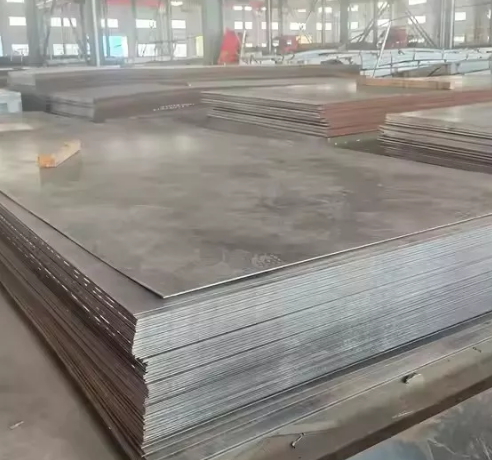
Steel plates are essential in industrial, construction, and DIY projects. Cutting them correctly is crucial for both safety and precision. Whether you're working with thick or thin plates, using the right method ensures clean cuts and prevents damage. In this post, we'll discuss different cutting methods for steel plates, and how to choose the best one based on thickness and quality needs.
Thermal Cutting Methods for Steel Plates
Thermal cutting methods are ideal for cutting thicker steel plates, using heat to melt or sever the material. These methods are more efficient than mechanical cutting for thicker plates. Let’s explore the most common thermal cutting methods: oxy-fuel cutting, plasma cutting, and laser cutting.
Oxy-Fuel Cutting
Oxy-fuel cutting is one of the most widely used thermal cutting methods. It works by heating the steel plate to its ignition temperature with a gas flame, then blowing oxygen through the material to create a high-temperature oxidation reaction that separates the metal.
This method is suitable for cutting plates from 3mm to 300mm thick, making it perfect for heavy-duty industrial applications.
However, oxy-fuel cutting can leave rough edges that might require additional finishing work. While it's an affordable and effective solution for many projects, the edges often need to be smoothed out for better precision.
Plasma Cutting
Plasma cutting uses a high-velocity jet of ionized gas (plasma) to melt steel, offering faster and more precise cuts than oxy-fuel. It’s best for plates between 2mm and 50mm thick and can deliver cleaner cuts with less post-processing required.
Plasma cutting is often used for projects requiring a high level of precision and speed, such as professional fabrication work. Though more expensive initially, the tool pays off with increased speed and efficiency. However, it’s not as effective on thicker plates, making it unsuitable for very heavy-duty cutting.
Laser Cutting
Laser cutting is the most precise thermal cutting method. It uses a focused laser beam to melt and vaporize steel, leaving smooth, burr-free edges. Laser cutting is best for plates thinner than 10mm, though with high-powered lasers, it can cut plates up to 30mm thick.
Laser cutting is ideal for intricate designs or projects requiring a high degree of accuracy. It’s widely used for applications where edge quality and tight tolerances are crucial, such as in aerospace and electronics industries. The downside is that it’s expensive, making it less practical for large-scale, low-cost projects.
Each of these thermal cutting methods has its advantages depending on the thickness of the steel plate and the desired quality of the cut.
Mechanical Cutting Methods for Steel Plates
Mechanical cutting methods rely on physical force to slice through steel, making them ideal for thinner to medium-thickness plates. Unlike thermal methods, mechanical cutting avoids heat-related issues such as warping, ensuring more consistent edge quality. Let’s explore the most common mechanical cutting methods: shearing, waterjet cutting, and using angle grinders or bandsaws.
Shearing
Shearing is a fast and cost-effective cutting method that uses sharp blades to cut through steel plates, making it perfect for high-volume tasks. It’s best suited for plates up to 10mm thick. Shearing produces straight cuts quickly, which is ideal for large projects that require a lot of repetitive cuts.
Pros | Cons |
Fast and efficient. | Only works for straight cuts. |
Ideal for high-volume projects. | Requires secure clamping. |
Cost-effective for thin plates. | Limited to thinner materials. |
The downside of shearing is that it’s limited to straight cuts. It can’t handle intricate or curved shapes, and securing the plate properly is crucial for clean cuts. If not clamped securely, it can lead to imprecise results.
Waterjet Cutting
Waterjet cutting uses a high-pressure stream of water mixed with abrasive particles to slice through steel. This method works for all thicknesses, from thin plates to thicker ones, making it incredibly versatile. One of the major benefits is that it generates no heat, preventing any warping or distortion of the material.
Pros | Cons |
Works for all steel thicknesses. | Slower than thermal methods. |
No heat, no warping. | Lower cutting speed. |
Versatile for intricate shapes. | Requires specialized equipment. |
While waterjet cutting is versatile and can handle a wide variety of thicknesses, it’s slower compared to thermal methods like plasma cutting. For projects requiring fast turnarounds, this could be a limiting factor. However, its precision and lack of heat-related issues make it a top choice for complex shapes and designs.
Angle Grinders and Bandsaws
Angle grinders and bandsaws are more suited for DIY or small-scale projects. Angle grinders, with their carbide-tipped blades, can handle steel plates up to 10mm thick. Bandsaws are effective for cutting plates between 3mm and 20mm thick and are great for straight cuts.
Pros | Cons |
Affordable and portable. | Less precise than other methods. |
Easy to use for small tasks. | Requires steady hands for accuracy. |
Ideal for DIY projects. | Can result in uneven cuts. |
While these tools are affordable and portable, they don’t offer the precision needed for larger or more intricate projects. Angle grinders, in particular, require steady hands to avoid jagged edges, and the resulting cuts may need additional finishing work to smooth out the surface.
Tip: Each of these mechanical methods has its own advantages depending on the project type, plate thickness, and desired cut quality. Whether you're working on a large-scale industrial project or a smaller DIY task, selecting the right cutting method is key to achieving the best results.
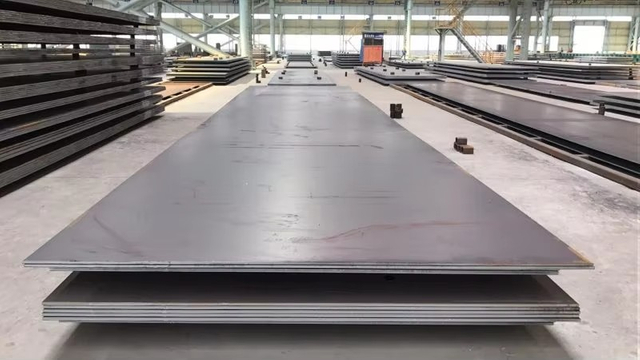
Step-by-Step Guide to Cutting Steel Plate
Cutting steel plates requires careful preparation and attention to detail. Whether you're working on a large industrial project or a small DIY task, following a clear step-by-step process ensures safety and precision. Here’s a guide to help you through the entire cutting process.
Preparation
Before you start cutting, it's essential to prepare both yourself and your workspace.
Safety Gear
● Always wear the proper safety gear. This protects you from the hazards associated with cutting steel:Gloves: Protect your hands from sharp edges and hot surfaces.
● Goggles: Shield your eyes from sparks, flying debris, and dust.
● Fire-resistant Clothing: Essential when using thermal cutting methods to prevent burns.
Having a fire extinguisher nearby is also a good idea, especially when using tools like oxy-fuel cutters, which generate open flames.
Securing the Steel Plate
Ensure the steel plate is properly secured to avoid any movement while cutting. Use clamps to hold the plate firmly in place. This prevents any wobbling that could cause uneven cuts. Also, mark the cut lines clearly using metal markers or soapstone. This ensures you follow a straight path during the cutting process.
Choosing the Right Tools
The tools you use depend on the thickness of the steel plate and the specific needs of your project.
Tool Type | Best For | Pros | Cons |
Oxy-Fuel Cutting | Plates 3–300mm thick | Cost-effective, fast | Rough edges, post-processing |
Plasma Cutting | Plates 2–50mm thick | Clean, precise cuts | High tool cost |
Waterjet Cutting | All thicknesses | No heat, no warping | Slower than thermal methods |
Shearing | Plates up to 10mm thick | Fast, efficient for straight cuts | Limited to straight lines |
When cutting thicker plates, methods like oxy-fuel cutting or plasma cutting work best. These tools use heat to sever the steel. For thinner plates, mechanical methods like shearing or waterjet cutting are ideal, as they don’t produce heat and help maintain the steel’s integrity.
Cutting Process
Once you're ready, follow these steps to ensure clean cuts.
Thermal Methods
When using thermal methods, it’s crucial to maintain a steady speed. Moving too slow can cause the steel to overheat and melt the edges, while moving too quickly can result in incomplete cuts. A consistent, controlled pace ensures that the heat is evenly applied for a smooth cut.
Mechanical Methods
For mechanical cutting methods like shearing or using an angle grinder, apply even pressure. Too much pressure can cause uneven cuts or damage the tool. Allow the tool to cut at its optimal pace and pressure to get the best result. For example, angle grinders need to be handled carefully to avoid causing jagged edges.
Post-Cutting Finishing
After cutting, it's important to finish the edges properly.
Grinding Rough Edges
Use a grinder or sander to smooth out any rough edges left from the cutting process. This is particularly important for thermal cuts, which often leave burrs or jagged areas. Using a flap disc grinder can help smooth the edges and prepare the steel for further processing, like welding or painting.
Removing Burrs
Burrs can be sharp and dangerous. Always make sure to remove them after cutting to avoid injury or further damage to the material. Use a deburring tool or grinder to carefully remove any leftover burrs.
Avoiding Rapid Cooling
After thermal cutting, avoid rapidly cooling the steel, such as by dipping it in water. This can cause the steel to become brittle. Allow the steel to cool naturally to maintain its strength and prevent warping.By following these steps, you ensure not only that the steel plate is cut properly but also that you do it safely and efficiently. Taking time in the preparation and finishing stages can make a significant difference in the final result.
Common Mistakes to Avoid When Cutting Steel Plate
Cutting steel plates can be tricky, and even small mistakes can lead to poor results or dangerous situations. To help you avoid issues, here are some common mistakes and tips on how to fix them.
Using the Wrong Blade/Tool
Choosing the right tool for the job is crucial. Not all tools are suitable for cutting steel plates, and using the wrong blade or tool can make your job harder and risk damaging the material.
Tool | Best For | Mistake to Avoid |
Oxy-Fuel Cutting | Thick plates (3–300mm) | Using it on thin plates (causes rough edges) |
Plasma Cutter | Medium plates (2–50mm) | Using it on very thick steel (inefficient) |
Shears | Thin plates (up to 10mm) | Using it for thicker plates (inefficient) |
Angle Grinder | DIY/small projects (up to 10mm) | Using for precision cuts (causes jagged edges) |
It’s important to match the tool with the plate thickness. For example, oxy-fuel cutting is great for thick plates, but using it on thin plates will create rough edges. Plasma cutting works well for medium thickness but isn’t effective on thicker materials. Always ensure you’re using the correct tool to avoid underpowered cuts or damaged equipment.
Ignoring Clamping
One of the most overlooked steps when cutting steel is securing the plate properly. If the plate is not clamped down, it may shift or vibrate during cutting. This can lead to imprecise cuts, which not only wastes time but can also cause safety hazards.
When cutting, always clamp the steel plate securely. The best way to do this is by using industrial clamps or a workholding fixture. This ensures the plate remains steady and doesn’t move, which is crucial for making accurate cuts. If the plate shifts, it can result in jagged edges or a crooked cut.
Overheating Thin Plates
Thin steel plates are especially sensitive to heat, and overheating them can cause serious issues like warping. It's essential to use the correct cutting method for thinner materials to avoid these problems.
For thin plates, methods like laser cutting or waterjet cutting are ideal. These methods generate minimal heat and reduce the risk of warping. On the other hand, using thermal cutting methods like oxy-fuel cutting on thin plates can cause the edges to melt and distort, making it difficult to achieve clean cuts. Always consider the thickness of the material before choosing your cutting method.
Method | Best For | Risk of Overheating |
Laser Cutting | Thin plates (<10mm) | Low risk (precise cuts) |
Waterjet Cutting | Thin to medium plates | No risk (no heat involved) |
Oxy-Fuel Cutting | Thick plates (>3mm) | High risk (can warp thin plates) |
Skipping Safety Gear
Cutting steel can be dangerous. If you're not using the proper safety gear, you are putting yourself at serious risk. Many injuries in metal fabrication occur because of flying debris, sparks, or burns.
Always wear:
● Safety gloves to protect your hands from sharp edges and burns.
● Safety goggles to shield your eyes from flying particles.
● Fire-resistant clothing when using tools like oxy-fuel or plasma cutters, as sparks and molten metal can cause burns.
● Ear protection if you’re working with loud equipment like saws or grinders.
Even if the task seems simple, it’s essential to prioritize safety at all times. Skipping safety gear might save you a few seconds, but it could result in long-term injuries.
Conclusion
Cutting steel plate requires selecting the right method based on thickness and project needs. Thermal methods like oxy-fuel and plasma cutting work well for thick plates, while waterjet and shearing are better for thinner materials. Ensuring proper safety gear and securing the plate are essential for clean, safe cuts. For high-quality cuts, using precision tools and following best practices is key. Weiheng offers reliable products designed to support these tasks efficiently, ensuring high value in every project.
FAQ
Q: What is the best method for cutting steel plate?
A: The best method depends on the thickness of the steel plate. For thicker plates, thermal methods like oxy-fuel or plasma cutting work well, while thinner plates are best cut with mechanical methods like shearing or waterjet cutting.
Q: Can I use a regular saw to cut steel plate?
A: No, regular saws are not suitable for cutting steel plates. You need tools designed for metal, such as an angle grinder, plasma cutter, or waterjet, depending on the plate thickness.
Q: Why is it important to choose the right cutting method for steel plate?
A: Choosing the right method ensures precision and reduces material waste. It also prevents issues like warping or rough edges, leading to cleaner cuts and better results.
Q: How thick can steel plate be for plasma cutting?
A: Plasma cutting is ideal for plates between 2mm and 50mm thick. For thicker plates, thermal methods like oxy-fuel cutting are more effective.