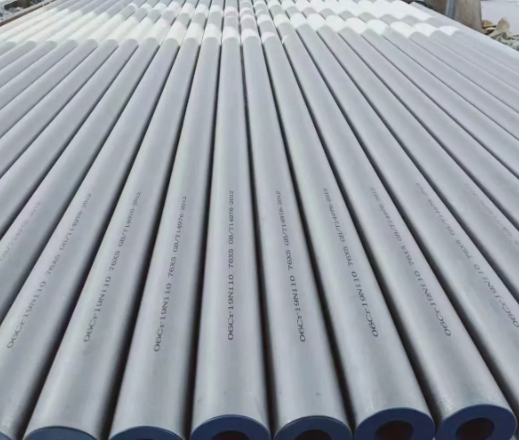
Stainless steel exhaust pipes are durable but prone to dirt, soot, and rust buildup. Regular cleaning helps maintain their shine and function. Over time, carbon deposits and rust can damage the surface, affecting performance.
In this article, we'll show you how to clean your stainless steel exhaust pipes effectively. You’ll learn the best methods for removing contaminants, including soot, carbon buildup, and rust.
Core Cleaning Methods
Stainless steel exhaust pipes can accumulate different types of contaminants over time. Each type requires a specific cleaning method to maintain the pipe’s integrity and shine. Below are the best approaches for handling light grime, carbon buildup, rust, and internal blockages.
Light Cleaning
For regular maintenance and light cleaning, it’s essential to address everyday dirt and mild soot buildup. This type of cleaning is perfect for preventing the accumulation of grime that can turn into more stubborn deposits.
Steps for Light Cleaning:
● Use a soft microfiber cloth dipped in warm water mixed with a neutral detergent.
● Gently wipe the exhaust pipe surface, always following the grain of the stainless steel to avoid scratches.
● After wiping, rinse thoroughly with clean water to remove detergent residue.
● Dry the surface immediately with a clean cloth to prevent water spots.
For small stubborn surface stains, non-abrasive toothpaste can be used. Apply a small amount to the cloth, buff gently, and the mild abrasiveness will lift the grime without scratching.
Heavy Carbon Buildup & Black Soot Removal
Carbon buildup is one of the most common issues for exhaust pipes, especially for those exposed to high temperatures. Black soot and baked-on carbon can affect the performance and appearance of your pipes. Special cleaning techniques are needed to tackle these stubborn deposits.
Steps for Carbon Buildup:
● Use a specialized stainless steel cleaner or mild carbon remover. Avoid harsh chemicals that could damage the stainless steel’s protective oxide layer.
● Apply the cleaner, letting it sit for 2-3 minutes to break down the deposits.
● Use a soft-bristled brush or non-abrasive pad to scrub gently, focusing on heavily blackened areas.
● For persistent buildup, dampen 2000-grit wet sandpaper with water and gently buff along the grain of the metal.
Quick Tip: For quicker results, you can use stainless steel cleaning powder. Sprinkle it on a dampened surface and wipe with a moist cloth to dissolve carbon deposits effectively.
Rust Spot Elimination
Although stainless steel is known for its resistance to rust, the protective oxide layer can be compromised by scratches or exposure to moisture and salt. Rust spots can form, requiring proper removal to prevent further damage.
Steps for Removing Rust:
● Natural remedies: Apply white vinegar or lemon juice to the rust spots and let it sit for 10-15 minutes. Then, scrub gently with a soft brush. The mild acid dissolves rust without damaging the steel.
● Mechanical method: For shallow rust spots, use a soft wire brush or fine steel wool to buff gently along the grain.
● Chemical rust removers: For stubborn rust, use a rust remover designed specifically for stainless steel. Follow the instructions carefully, wear gloves, and ensure good ventilation.
Interior Cleaning for Clogged or Smelly Pipes
Internal buildup from oil, carbon, and exhaust gases can affect the performance and smell of your stainless steel exhaust pipes. Regular internal cleaning is essential for preventing clogged pipes and bad odors.
Steps for Interior Cleaning:
● Kerosene can be injected into the pipe to dissolve carbon and oil deposits. Let it sit for 30 minutes before draining it out.
● Use a specialized cleaning brush or rod with a soft bristle head to scrub the interior walls. Avoid using hard brushes that could scratch the inside surface.
● After scrubbing, rinse the pipe thoroughly with clean water to remove all residues.
● Let the pipe air-dry completely before reinstalling.
Tip: Using these methods based on the type of contamination ensures your stainless steel exhaust pipes stay in top condition. Whether it’s light grime or heavy soot, proper cleaning will help maintain the longevity and performance of your exhaust system.
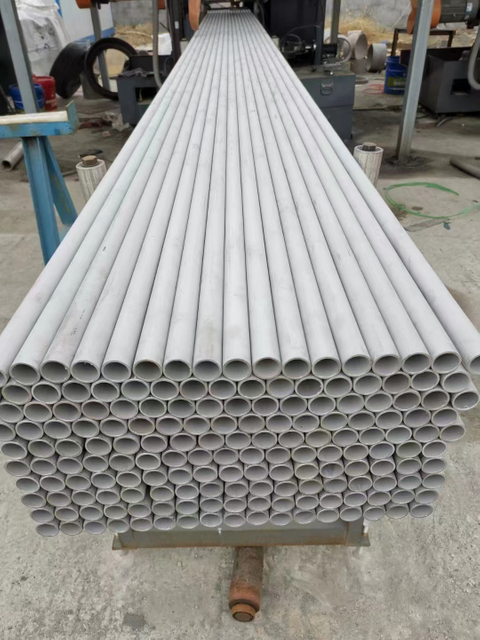
Step-by-Step Cleaning Process
Cleaning stainless steel exhaust pipes requires a methodical approach to ensure the best results without damaging the surface. Follow this step-by-step guide to clean your exhaust pipes safely and effectively.
Preparation: Cooling and Protecting the Surrounding Areas
Before starting the cleaning process, make sure the exhaust pipe is completely cool. Cleaning a hot pipe is not only unsafe but could also cause chemical reactions with certain cleaners.
Steps for preparation:
● Let the exhaust pipe cool completely. Hot surfaces can burn you or cause cleaners to react badly.
● Protect the surrounding areas. Cover parts like rubber hoses and painted surfaces with plastic sheets or tape to prevent exposure to cleaning chemicals. This will save your other components from potential damage.
● Ensure that the area you’re working in is well-ventilated, especially when using chemicals or products with strong odors.
Removing Loose Debris and Choosing the Right Cleaner
The first step in cleaning the exhaust pipe is to get rid of any loose debris, such as dirt, soot, or surface grime. Using the right cleaner is key for effective and safe results.
Steps for debris removal:
● Start by using a dry microfiber cloth to gently wipe away any dust or soot from the surface. This prevents you from pushing debris deeper into the surface when cleaning with liquids.
● Next, choose the right cleaner based on the level of contamination. For light grime, a mild detergent works well. For carbon buildup, you may need a stainless steel cleaner or carbon remover. For rust spots, a specialized rust remover is essential.
Cleaner Type | Best For | Recommended Use |
Neutral Detergent | Light surface dirt and soot | Regular cleaning and maintenance |
Stainless Steel Cleaner | Stubborn grime and soot | For heavy buildup and maintaining shine |
Carbon Remover | Heavy soot and carbon buildup | When soot is baked on or hardened |
Rust Remover | Rust spots | Removes rust while protecting stainless steel |
Scrubbing and Rinsing Techniques for Stainless Steel
Once you’ve applied the cleaner, it’s time to scrub and rinse the pipe. Be sure to use non-abrasive materials to avoid scratching the stainless steel.
Steps for scrubbing and rinsing:
● Apply the cleaner to a soft microfiber cloth or non-abrasive pad. Gently scrub the surface, following the grain of the stainless steel. This ensures no scratches are left behind.
● For tough areas, a soft-bristled brush or specialized cleaning tool can be used to scrub off stubborn deposits.
● Rinse thoroughly with clean water. It's essential to rinse away all cleaning products to prevent residue from drying on the surface, which could cause spots or stains.
Scrubbing Tools | Best For | Recommendation |
Microfiber Cloth | General surface cleaning | Ideal for everyday cleaning and polishing |
Non-Abrasive Pad | Mild to moderate grime | Safe for cleaning without scratching |
Soft-Bristled Brush | Stubborn soot and carbon buildup | Best for hard-to-reach areas or heavy buildup |
Drying and Applying Protective Coatings
After cleaning, the final step is to dry the exhaust pipe and apply a protective coating to maintain its shine and prevent future buildup.
Steps for drying and coating:
● Dry immediately using a lint-free cloth. This prevents water spots from forming on the stainless steel, keeping the surface smooth and shiny.
● Apply a stainless steel care agent or polish to protect the exhaust pipe. These products help rebuild the protective oxide layer, preventing rust and preserving the pipe’s shine.
Tools and Products for Effective Cleaning
Cleaning stainless steel exhaust pipes requires the right tools and products to ensure a thorough and safe cleaning process. Using the correct equipment not only helps achieve better results but also protects the stainless steel from scratches and damage. Below, we will cover the best tools for exterior cleaning and recommend the most effective cleaners for various types of contaminants.
Best Tools for Exterior Cleaning of Stainless Steel Pipes
When it comes to cleaning the exterior of stainless steel exhaust pipes, using the right tools is essential to avoid scratches and other surface damage. Here are the tools you should consider:
Microfiber Cloth
● Ideal for wiping off dust, dirt, and light soot without scratching the surface.
● Use it for regular maintenance or as the final wipe to remove water spots.
Non-Abrasive Pads
● Non-abrasive pads are perfect for cleaning without damaging the stainless steel finish.
● These pads are excellent for light grime, soot, and mild surface buildup.
Soft-Bristled Brush
● Useful for tackling carbon deposits or tougher grime that the cloth or pad can’t remove.
● Gentle scrubbing along the grain of the stainless steel helps maintain its appearance.
Specialized Cleaning Brushes
● For hard-to-reach areas, these brushes provide effective cleaning without damaging the pipes.
● Ideal for small crevices and intricate pipe designs.
Tool | Best For | Benefits |
Microfiber Cloth | Dust, light soot, water spots | Prevents scratches, great for regular cleaning |
Non-Abrasive Pads | Light grime and surface buildup | Safe on stainless steel, won’t scratch the surface |
Soft-Bristled Brush | Heavy soot and carbon deposits | Gently scrubs stubborn buildup without damage |
Specialized Brushes | Hard-to-reach areas | Cleans detailed or narrow parts effectively |
Recommended Cleaners for Different Contaminants
The type of cleaner you use depends on the level of contamination and the condition of your stainless steel exhaust pipes. It’s important to choose a cleaner that is effective but gentle enough not to damage the protective oxide layer of the stainless steel.
Neutral Detergent
● Best for light grime, dust, and soot.
● Mix with warm water and use with a microfiber cloth for regular cleaning.
● Gentle enough for routine maintenance without affecting the surface.
Stainless Steel Cleaner
● Perfect for removing dirt, surface stains, and soot without damaging the finish.
● These cleaners help restore the shine and preserve the stainless steel’s appearance.
Carbon Remover
● Ideal for heavy carbon buildup and black soot that has baked onto the surface.
● These products are specially formulated to break down carbon deposits without harming the stainless steel.
Rust Remover
● For dealing with rust spots that can appear when the protective layer is damaged.
● Chemical rust removers are formulated specifically for stainless steel and safely remove rust without affecting the material underneath.
Cleaner Type | Best For | Benefits |
Neutral Detergent | Light grime and routine cleaning | Gentle, perfect for maintenance |
Stainless Steel Cleaner | Surface stains, soot, and dirt | Restores shine and protects the surface |
Carbon Remover | Heavy soot, carbon buildup | Effectively removes carbon deposits |
Rust Remover | Rust spots | Safely removes rust without damaging stainless steel |
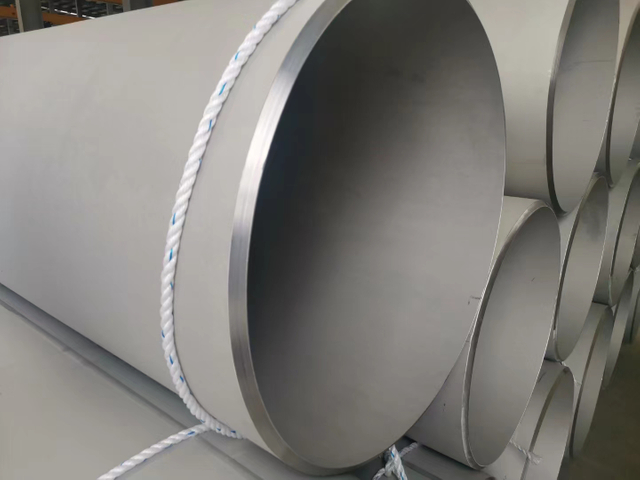
Common Cleaning Mistakes to Avoid
Cleaning stainless steel exhaust pipes can be straightforward, but there are several common mistakes that can damage the pipes or result in poor cleaning results. To ensure your exhaust pipes stay in top condition, here are some mistakes to avoid during the cleaning process.
Using Abrasive Tools or Harsh Chemicals
One of the most common mistakes is using abrasive tools like steel wool or harsh chemicals. These can scratch the surface of the stainless steel, damaging the protective oxide layer and making it more susceptible to rust and stains in the future.
Mistakes to avoid:
● Abrasive pads: These can leave deep scratches, affecting the pipe’s appearance and protective layer.
● Harsh cleaners: Strong chemicals, such as bleach or ammonia, can weaken stainless steel, causing discoloration and surface damage.
Correct approach:
● Always use non-abrasive pads or microfiber cloths for general cleaning.
● Stick to mild detergents or stainless steel-specific cleaners to preserve the integrity of the surface.
Tools to Avoid | Risk | Recommended Tools |
Steel wool or abrasive pads | Scratches, surface damage | Microfiber cloth, non-abrasive pads |
Harsh chemicals (bleach, ammonia) | Discoloration, weakened steel | Mild detergents, stainless steel cleaner |
Cleaning Hot Exhaust Pipes
Cleaning hot exhaust pipes is not only dangerous but can also lead to poor cleaning results. When the pipe is still hot, cleaners may react unpredictably or evaporate too quickly, leaving residues or causing discoloration.
Mistakes to avoid:
● Cleaning hot pipes: You may risk burns or damage to the material.
● Cleaning products may react differently on hot surfaces, leading to uneven cleaning results.
Correct approach:
● Always allow the exhaust pipe to cool down completely before starting the cleaning process. It’s safer and more effective.
Skipping Rinsing Steps
Rinsing is an essential step in the cleaning process. Skipping this step can leave residue from cleaners or cleaning agents on the pipe, which can lead to buildup over time and affect the appearance.
Mistakes to avoid:
● Not rinsing properly: Leftover cleaner can cause streaks or attract more dirt.
● Skipping multiple rinses: One quick rinse isn’t enough to remove all the detergent or cleaner.
Correct approach:
● After using any cleaning product, rinse the pipes thoroughly with clean water.
● Ensure that all product residue is washed away to prevent buildup.
High-Pressure Water Mistakes
Using high-pressure water can be tempting, but it’s not suitable for cleaning stainless steel exhaust pipes. While high-pressure water is effective at removing dirt and debris, it can force particles deeper into the pipe or damage the surface finish.
Mistakes to avoid:
● Using high-pressure water: It may push debris inside the pipe or harm the pipe's finish.
● It may cause the protective oxide layer to be compromised by forcing abrasive particles into the material.
Correct approach:
● Stick to gentle rinsing with a hose or use mild water pressure to avoid pushing debris into the pipe.
● Use soft brushes or microfiber cloths for physical cleaning rather than relying on high-pressure water.
By avoiding these common mistakes, you can clean your stainless steel exhaust pipes effectively without causing any damage. The right cleaning tools, products, and techniques ensure your pipes stay shiny and free from contaminants while maintaining their longevity.
Conclusion
To clean stainless steel exhaust pipes effectively, start by selecting the right tools and cleaners for each type of contaminant. Regular maintenance helps preserve the shine and extend the pipe’s life. Always avoid abrasive tools and harsh chemicals to protect the surface. For long-lasting results, use gentle cleaning methods and apply protective coatings.
At Weiheng, we offer high-quality products that help maintain the durability and performance of your equipment. Our products are designed to provide reliable, long-term value, ensuring your exhaust pipes stay in optimal condition.
FAQ
Q: How do I clean my stainless steel exhaust pipe?
A: To clean your stainless steel exhaust pipe, use a mild detergent with a microfiber cloth for regular cleaning. For heavy soot or carbon buildup, a specialized stainless steel cleaner will work best.
Q: Can I use abrasive tools to clean my stainless steel pipe?
A: No, abrasive tools can scratch and damage the protective layer of your stainless steel pipe. Always use non-abrasive pads or microfiber cloths to clean.
Q: How often should I clean my stainless steel exhaust pipe?
A: It's recommended to clean your stainless steel exhaust pipe every few months, depending on exposure to dirt and carbon buildup, to maintain its shine and prevent corrosion.
Q: What is the best cleaner for a stainless steel pipe?
A: For light cleaning, use mild detergents. For stubborn grime, use a specialized stainless steel cleaner. Avoid harsh chemicals that could damage the surface.


