Understanding the 90 Degree Sandblasting Carbon Steel Pipe Fittings
The 90 Degree Sandblasting Carbon Steel Pipe Fittings (commonly called 90-degree elbows) are critical components for industrial piping systems that require directional changes in fluid or gas flow. Unlike standard carbon steel fittings, these products undergo a specialized sandblasting surface treatment to enhance corrosion resistance and durability. Crafted from heavy-duty carbon steel, they are engineered to handle high-pressure, high-stress environments—making them a staple in industries where system reliability directly impacts safety and productivity. The 90-degree elbow design ensures smooth flow transitions, minimizing pressure drops and turbulence, while the sandblasted finish adds an extra layer of protection against harsh elements like moisture, chemicals, and saltwater.
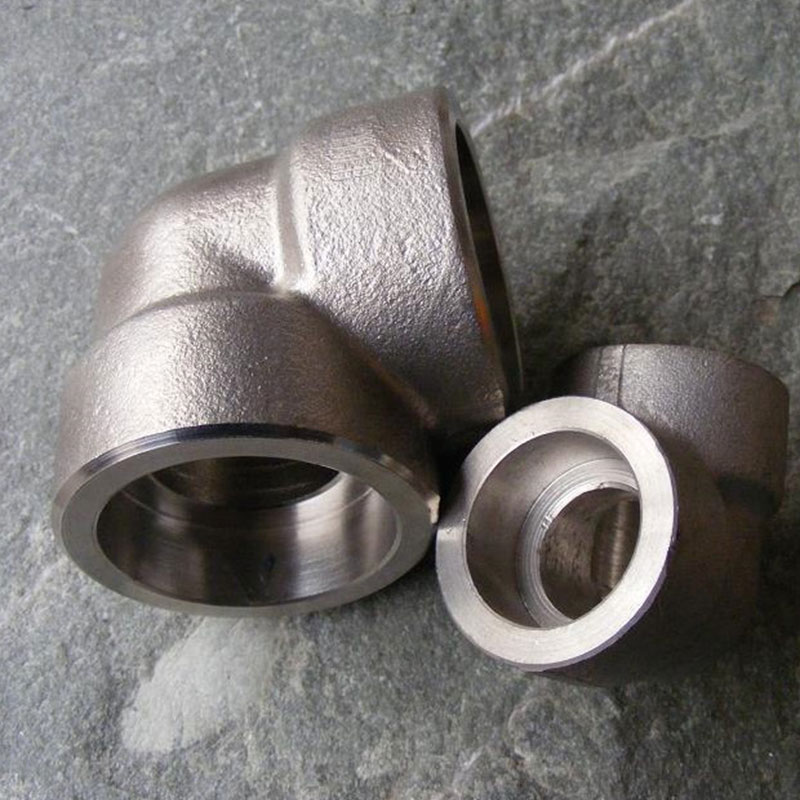
Core Advantages of the 90 Degree Sandblasting Carbon Steel Pipe Fittings
Sandblasting Surface for Enhanced Corrosion Protection
The sandblasting finish creates a uniform, protective layer on the carbon steel surface, preventing rust, oxidation, and degradation from exposure to moisture (e.g., marine environments) or chemicals (e.g., industrial solvents). This treatment extends the fitting’s lifespan and reduces maintenance costs.
High-Pressure Resistance
Made from heavy-duty carbon steel, these 90-degree elbows withstand extreme pressure conditions—critical for industries like oil & gas or power generation. Their robust construction resists cracking, warping, or leaking, even when transporting high-pressure fluids (e.g., crude oil) or gases (e.g., natural gas).
Smooth Flow Directional Change
The precision-engineered 90-degree elbow design ensures fluid and gas flow smoothly around the bend, minimizing turbulence and pressure loss. This efficiency improves overall system performance and reduces strain on pumps or compressors.
Compliance with Industrial Standards
The fittings meet ASME/ANSI B16.9 standards—globally recognized benchmarks for industrial pipe fittings. This compliance guarantees compatibility with other standard components, simplifies sourcing, and ensures adherence to safety regulations.
Typical Uses of the 90 Degree Sandblasting Carbon Steel Pipe Fittings
These fittings are designed for rugged industrial applications that demand strength and corrosion resistance:
Oil & Gas Industry: Used in upstream (drilling), midstream (pipeline transport), and downstream (refining) operations to redirect crude oil, natural gas, or petroleum products.
Marine & Offshore Applications: Resists saltwater corrosion, making it ideal for shipboard piping, offshore platforms, and coastal refineries.
Chemical Processing Plants: Handles corrosive industrial chemicals (e.g., acids, solvents) thanks to the sandblasting finish and carbon steel strength.
Power Generation Facilities: Suitable for fossil fuel or nuclear power plants to redirect high-pressure steam, cooling water, or fuel gases.
Design Specifications of the 90 Degree Sandblasting Carbon Steel Pipe Fittings
Material: Heavy-duty carbon steel (for high-pressure strength and durability).
Model: 90 Degree Elbow (precision-bent for smooth flow transitions).
Surface Treatment: Sandblasting (uniform protective layer to prevent corrosion).
Standard Compliance: Meets ASME/ANSI B16.9 standards (ensures compatibility and safety).
Connection Compatibility: Designed to fit standard carbon steel pipes, with options for welded or threaded connections (depending on application needs).
Environmental Adaptability: Resists moisture, saltwater, and mild chemicals; suitable for indoor and outdoor industrial settings.
FAQ
Can these sandblasted carbon steel fittings be used in saltwater environments?
Yes. The sandblasting surface treatment enhances resistance to saltwater corrosion, making them ideal for marine and offshore applications (e.g., ship piping, offshore platforms). For long-term use, occasional inspections for surface wear are recommended.
Are the fittings compatible with welded pipe connections?
Absolutely. They are designed for welded installations—common in high-pressure industrial systems (e.g., oil pipelines). Welding ensures a secure, leak-proof bond that complements the fitting’s high-pressure resistance.
Can the 90-degree elbows handle high-temperature fluids (e.g., steam)?
Yes. The heavy-duty carbon steel material tolerates high temperatures (e.g., steam in power plants) without losing structural integrity. Always confirm compatibility with your specific temperature range to ensure optimal performance.


