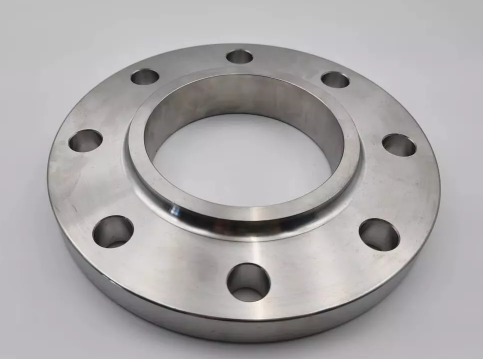
Flanges play a critical role in ensuring leak-proof and durable piping systems. But how should they fit to prevent issues like leaks and system failure? In this article, we’ll dive into the essential aspects of flange fitting. You’ll learn about proper alignment, gasket compression, and the importance of matching dimensions for secure connections.
Core Requirements for Proper Flange Fitting
Proper flange fitting is essential for preventing leaks, maintaining pressure, and ensuring long-lasting piping systems. Three critical factors determine how well flanges fit together: precise alignment, uniform gasket compression, and compatible dimensions. Let's break down these requirements.
Precise Alignment: No Room for Misalignment
Alignment is the first step in ensuring a reliable flange connection. Flanges must align along three key axes: centerline, parallelism, and bolt hole alignment.
● Centerline alignment means the inner bores of the flanges must match perfectly. A tolerance of no more than 1.5mm is allowed. Misalignment here can lead to uneven pressure on the gasket, causing leaks.
● Parallelism refers to ensuring the faces of the flanges are parallel to each other. The maximum gap between the nearest and farthest points on the sealing surface should not exceed 0.8mm. If the faces aren’t parallel, the gasket won’t compress evenly, leading to seal failure.
● Bolt hole alignment is about making sure the holes for the bolts are directly aligned. Even a small misalignment (over 3mm) can make tightening difficult and uneven, which affects the seal's integrity.
Misalignment can cause significant problems, such as uneven gasket pressure, which leads to premature gasket wear and leaks, especially in high-pressure systems.
Uniform Gasket Compression
The gasket is the heart of the seal, ensuring a leak-proof connection. Achieving uniform gasket compression is key to maintaining that seal.
● The gasket's role is to create a reliable seal between the flange faces. This prevents any leakage, even under high pressure.
● For proper gasket compression, the flange faces should come together without crushing or under-compressing the gasket. Over-compressing can damage the gasket material, while under-compressing can leave gaps for leaks.
● It's also crucial to match the gasket type to the flange. For example, a raised face flange requires a different gasket than a flat face flange. Each gasket type has specific properties that are designed to work in particular systems and conditions.
Incorrect gasket compression, whether too much or too little, directly affects the sealing ability, leading to potential leaks and system inefficiencies.
Compatible Dimensions & Component Matching
Ensuring that the flange fits properly with the pipe and other components is another critical requirement. Here's how dimensions play a role:
● Flange size and pipe matching are crucial. The flange's nominal pipe size (NPS) should match the pipe’s schedule (wall thickness). A mismatch between the two can create gaps at the connection point, leading to pressure loss and leaks.
● Bolt circle diameter (BCD) and hole sizes must align with the fasteners. If these don’t match, the bolts won’t be able to apply uniform pressure to the gasket, compromising the seal.
● The flange thickness is also essential. Thicker flanges are needed for higher pressure systems. If the flange is too thin for the required pressure rating, it may deform or fail under stress.
Component | Requirement | Tolerance |
Centerline Alignment | Align flanges along the centerline | Maximum 1.5mm misalignment |
Parallelism | Flange faces must be parallel | Gap difference ≤ 0.8mm |
Bolt Hole Alignment | Bolt holes should line up perfectly | Maximum 3mm misalignment |
Gasket Compression | Ensure uniform compression across the gasket | No over or under compression |
Flange Size Matching | Match the flange size with the pipe's nominal size | Correct nominal pipe size (NPS) |
Bolt Circle Diameter (BCD) | Align bolt circle diameter with fastener size | Correct BCD and hole diameter |
Flange Thickness | Flange thickness must match pressure rating requirements | Depends on pressure rating |
Step-by-Step Guide to Achieving a Proper Flange Fit
Getting a proper flange fit is crucial for ensuring that your system runs smoothly without leaks or issues. Here’s a step-by-step guide to help you achieve a perfect fit, from preparation to final inspection.
Preparing the Components
Before you begin assembling your flanges, preparation is key to ensuring a successful fit. Start by cleaning the pipe ends, flange faces, and gasket seating areas. Any dirt, rust, or debris can prevent the gasket from making a proper seal, leading to leaks.
● Pipe ends should be cleaned to remove any rough edges or contaminants.
● Flange faces need to be free of any debris, including rust, dirt, or burrs.
● Gasket seating areas should be smooth and clean to ensure the gasket makes full contact, creating a reliable seal.
A contaminant-free surface is critical to ensure that the gasket can fully compress and form a tight seal. Neglecting this step could result in poor sealing and cause leaks, even if everything else is aligned correctly.
Aligning the Flanges
Next, it’s time to align the flanges. Misalignment is one of the most common issues that lead to poor flange fits, so take extra care here. Use tools to check and confirm that the flanges align properly along three key axes: centerline alignment, parallelism, and bolt hole alignment.
● Centerline alignment: Make sure the inner bores of the flanges align perfectly along the centerline. Even a small misalignment can lead to uneven pressure on the gasket, causing leaks.
● Parallelism: Ensure the flange faces are parallel to each other. If the faces aren't parallel, the gasket won't compress evenly, and that can result in a poor seal.
● Bolt hole alignment: Bolt holes must be perfectly aligned to allow the bolts to pass through perpendicularly. Misaligned bolt holes can lead to uneven pressure and improper tightening.
Avoid forcing the flanges into position, as this can cause strain, damage, or misalignment. Take the time to ensure everything is perfectly aligned before proceeding.
Positioning the Gasket
Now, place the gasket onto the flange. Gasket placement is a delicate task—too much or too little compression can cause sealing issues.
● Ensure the gasket is centered on the sealing surface.
● The gasket should not overhang or undersize the flange face. An overhanging gasket can cause improper compression, while an undersized gasket won’t cover the full sealing surface, risking leaks.
The gasket should sit flush with the flange faces to ensure it can compress evenly when the flanges are brought together. Any misalignment in gasket placement can cause weak spots in the seal, leading to leaks.
Tightening the Fasteners
With the flanges and gasket in place, it’s time to tighten the bolts. Start by hand-tightening the bolts. This helps to draw the flanges together evenly before using any tools.
● Hand-tightening: Ensure all bolts are tightened uniformly by hand, keeping the pressure even across the flange faces.
● After that, use a torque wrench to tighten the bolts. It’s important to follow a criss-cross pattern to ensure the pressure is distributed evenly. Tightening the bolts in a criss-cross pattern helps maintain uniform gasket compression and prevents warping of the flanges.
Make sure to use the proper torque values specified by the manufacturer to avoid over-tightening, which could damage the gasket or flange, or under-tightening, which could cause leaks.
Inspection and Testing
After tightening the bolts, inspect the flange connection for any gaps between the flange faces. Even small gaps can result in leaks, so this step is essential.
● Inspect the flange faces for any unevenness or misalignment.
● Perform a pressure test: Apply pressure to the system and check for any signs of leakage. This will confirm if the connection is secure and the seal is intact.
● Retorque the bolts: After the system has been pressurized, check the bolts again. If necessary, retighten them slightly to ensure the gasket is fully compressed.
Step | Action |
Preparing Components | Clean pipe ends, flange faces, and gasket areas. |
Aligning the Flanges | Check alignment of centerline, parallelism, and bolt holes. |
Positioning the Gasket | Ensure gasket is centered, without overhanging or undersizing. |
Tightening the Fasteners | Hand-tighten bolts, then use a torque wrench in a criss-cross pattern. |
Inspection and Testing | Inspect for gaps, perform pressure test, and retorque bolts if needed. |
Common Fitting Mistakes to Avoid
Flange fitting might seem straightforward, but even small mistakes can lead to big problems. Below are some common fitting errors and how to avoid them to ensure a secure, leak-proof connection.
Forcing Misaligned Flanges
One of the most common mistakes is forcing misaligned flanges. Sometimes, when flanges don’t line up properly, people try to make them fit by using excessive bolt torque. This may seem like a quick fix, but it creates more problems in the long run.
● Excessive torque can warp the flanges, which leads to permanent damage. It can also cause the gasket to fail under pressure, resulting in leaks.
● Misalignment stresses the system, creating uneven pressure distribution. This can lead to gasket wear and eventual leaks, especially in high-pressure environments.
● It's important to check the alignment of the flanges before tightening the bolts. If necessary, use alignment tools to make sure everything lines up perfectly.
Over or Under Compressing Gaskets
Another common mistake is improper gasket compression. The gasket plays a crucial role in creating a seal between the flange faces. Too much or too little compression can undermine this seal and cause leaks.
● Over-compressing the gasket can crush the material, reducing its ability to form a proper seal. This can cause it to lose its sealing properties and lead to leaks.
● Under-compressing the gasket leaves gaps between the flange faces, which allows fluid or gas to escape. This reduces the overall sealing effectiveness.
● The goal is to achieve uniform compression without damaging the gasket. It’s important to follow the manufacturer’s specifications on how much compression is ideal for the gasket type you’re using.
Ignoring Surface Preparation
One of the easiest steps to overlook is surface preparation. Cleaning and smoothing the flange faces and gasket seating areas is essential for ensuring a perfect fit.
● Dirt, rust, and burrs on the flange faces can prevent the gasket from making full contact. This leads to uneven compression and potential leaks.
● Any contaminants on the sealing surface can compromise the integrity of the gasket, even if the flanges are aligned perfectly.
● Make sure to clean both flange faces and gasket seating areas thoroughly before fitting. This includes removing rust, dirt, and any sharp edges that could damage the gasket.
Mismatched Components
Using mismatched components is another mistake that can cause poor flange fitting. It’s essential to ensure that all components—flanges, bolts, and gaskets—are compatible with each other.
● Incompatible bolts can fail to apply even pressure across the flange, causing the gasket to lose its seal.
● Incorrect gasket types can lead to poor compression or an incomplete seal. For example, using a flat-face gasket on a raised-face flange can cause leaks.
● It’s crucial to match the flange size, pressure rating, and gasket type with the requirements of the system. Mismatched components will compromise the entire connection and can cause long-term damage.
Tip: By avoiding these common mistakes, you can achieve a proper flange fit that ensures a leak-proof, long-lasting connection.
Factors Influencing Flange Fit Quality
Flange fit quality is essential for ensuring a reliable, leak-proof connection in any piping system. Several factors influence the overall performance of a flange fit. From material compatibility to system design and environmental conditions, each aspect plays a significant role in achieving the best fit. Let’s dive into the key factors that can affect flange fit quality.
Material Compatibility
Choosing the right flange material is crucial for ensuring that the flange will perform well in the system. The material must be compatible with the operating environment and conditions, such as the type of fluid or gas being transported and the pressure and temperature it will be exposed to.
● Corrosion resistance: In systems exposed to harsh chemicals, the flange material must be resistant to corrosion. Using the wrong material in corrosive environments can lead to premature flange failure and leaks.
● Pressure handling: Different materials can handle different pressure levels. For instance, flanges made from stainless steel can handle higher pressure ratings than those made from carbon steel. Always match the flange material with the pressure rating required for the system.
● Environmental factors: Materials also need to be chosen based on the environment, whether it’s exposed to high temperatures, moisture, or other factors that could cause material degradation over time.
Choosing materials that are both durable and compatible with your application ensures a strong flange connection that won't fail prematurely.
Temperature and Pressure Considerations
Both temperature and pressure play a significant role in determining how a flange fits and performs over time.
● Operating temperature: Flanges and gaskets are designed to handle specific temperature ranges. If the temperature exceeds the material’s tolerance, the flange can expand or contract, which can affect the seal’s integrity. For example, at high temperatures, gaskets might soften and lose their ability to maintain a proper seal, leading to potential leaks.
● Pressure: As pressure increases, the stress on the flange connection also increases. High-pressure systems demand stronger flanges and gaskets to maintain the seal. The gasket must be able to compress properly without being crushed under high pressure.
● Both temperature and pressure can cause materials to deform. Over time, this can lead to changes in the flange's alignment, affecting the overall seal and potentially causing failure if not monitored and maintained properly.
It's essential to account for the temperature and pressure conditions when selecting the flange and gasket materials to avoid any misfits that could cause leaks or system failures.
System Design and Installation Environment
The design of the piping system and the installation environment have a direct impact on flange fit quality. The way a system is designed can affect how flanges align and seal, while environmental factors like vibration and temperature can influence the longevity of the fit.
● Pipe layout and flow direction: The alignment of the pipes and the direction of fluid or gas flow can influence the stress on the flange connection. Misalignment or uneven flow pressure can cause additional strain on the flanges, leading to leaks over time.
● Vibration: In systems where there’s significant vibration—such as those in industrial or automotive applications—flanges can shift or loosen over time. This can cause misalignment, and in turn, affect the gasket seal and increase the risk of leaks. Flange bolts need to be properly torqued to withstand vibrations.
● Temperature fluctuations: A constantly changing environment can cause materials to expand and contract. Over time, this repeated expansion and contraction can affect the fit between flanges, causing leaks or even flange deformation.
Choosing the Right Flange for Your Application
When selecting the right flange for your application, it’s important to understand the different types available, how to match the flange size with system requirements, and how to ensure long-term reusability. The right flange choice can help ensure system integrity, prevent leaks, and allow for easier maintenance in the future. Let’s dive into these important considerations.
Flange Types and Applications
Flanges come in several different types, each designed for specific applications. Choosing the right type of flange depends on the specific needs of your system, such as pressure rating, ease of installation, and whether the connection needs to be permanent or detachable.
● Weld Neck Flanges: These flanges have a long neck that is welded directly to the pipe. They are ideal for high-pressure systems, as the gradual transition from the pipe to the flange helps reduce stress and distribute pressure evenly.
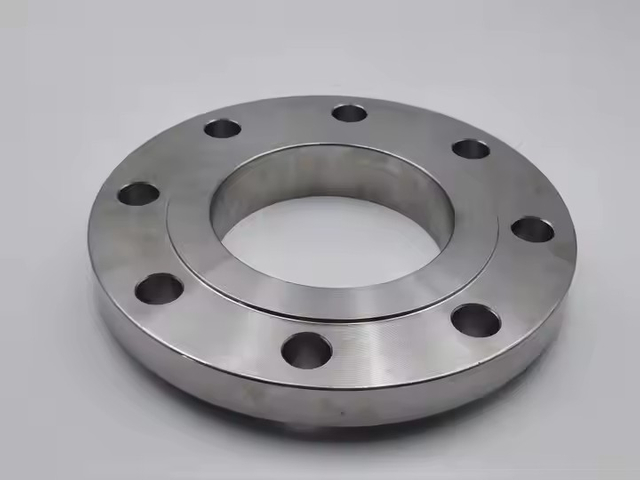
● Slip-On Flanges: These flanges slide over the pipe and are then welded at the top and bottom. They are commonly used in low-pressure applications and are easier to install compared to weld neck flanges, making them ideal for systems that don’t require high strength.
● Blind Flanges: Blind flanges are used to seal the end of a piping system or a valve. These are typically used when no further connection is needed, such as at the end of a pipeline, to seal off an unused opening.
● Threaded Flanges: These flanges are screwed onto the pipe, making them ideal for systems that need to be easily disassembled for maintenance or modifications. However, they are limited to low-pressure applications.
● Socket Weld Flanges: These flanges have a socket into which the pipe fits and is then welded in place. They are ideal for small-diameter, high-pressure applications.
Understanding which flange type is best for your system’s needs helps ensure a reliable and leak-proof connection.
Matching Flange Size and Pressure Rating
Once you’ve chosen the flange type, the next step is ensuring the size and pressure rating match your system’s requirements. Using the wrong flange size or pressure rating can lead to leaks, system failure, or dangerous malfunctions.
● Flange Size: The flange size must match the nominal pipe size (NPS). This ensures that the flange will fit properly with the pipe. If there is a mismatch, the flange may not seal properly, leading to leaks and decreased system efficiency.
● Bolt Pattern and Hole Alignment: Ensure that the bolt circle diameter (BCD) and the number and size of bolt holes match the corresponding pipe and flange. Misalignment can make the bolting process difficult and result in an uneven seal.
● Pressure Rating: Each flange is rated for a specific pressure range. Make sure the flange’s pressure rating matches the maximum operating pressure of your system. High-pressure systems require flanges made from stronger materials, such as stainless steel, to withstand the forces without deforming.
Using a flange that matches the pipe size, bolt pattern, and pressure rating helps prevent problems like leaks, joint failure, and system inefficiency.
Consideration for Future Maintenance
When selecting a flange, it’s essential to think about future maintenance needs. Flanges that are easily removed, reusable, and adaptable to modifications are essential for systems that require regular maintenance or updates.
● Reusability: Opt for flanges that allow for easy disassembly. Flanges like weld necks and slip-ons are often easier to replace and maintain than welded joints. This can save time and money in the long run.
● Ease of Removal: Some systems require periodic modifications or replacements. Threaded flanges and slip-on flanges are easier to remove and replace than welded ones, making them a better choice for systems that need regular adjustments.
● Modification Flexibility: In some cases, the system might need modifications as it evolves. Using flanges that can be easily adapted or replaced without requiring full disassembly of the system helps reduce downtime and ensures system reliability.
Conclusion
Proper flange fitting is crucial for leak prevention, system integrity, and long-term performance. Following a step-by-step guide ensures a secure, reliable flange connection. By avoiding common mistakes such as misalignment, improper gasket compression, and mismatched components, you can achieve optimal performance. Companies like Weiheng offer high-quality products designed to enhance system reliability and longevity, ensuring seamless operations across various applications.
FAQ
Q: What is a flange and why is proper fitting important?
A: A flange is a mechanical component used to connect pipes, valves, and other equipment. Proper fitting ensures leak prevention, pressure resistance, and long-term system reliability.
Q: How should flanges be aligned?
A: Flanges must be aligned along three axes: centerline, parallelism, and bolt hole alignment. Misalignment can lead to uneven gasket compression and leaks.
Q: What happens if the gasket is over-compressed?
A: Over-compressing the flange gasket can crush it, damaging the seal and leading to leaks or loss of pressure. Proper compression is essential for a reliable seal.
Q: Can flanges be reused?
A: Yes, flanges like weld necks and slip-ons are reusable. However, regular inspection is necessary to ensure their integrity and prevent failure in high-pressure systems.


