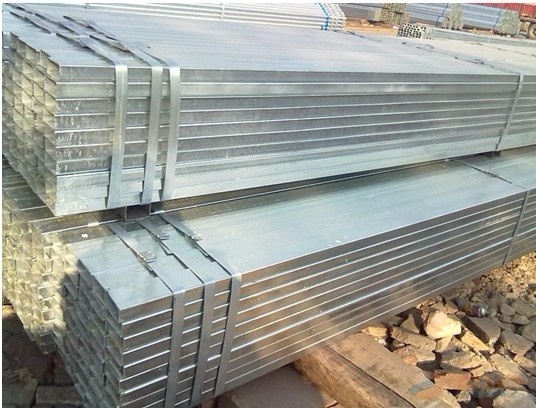
Procuring materials for industrial and construction projects creates constant challenges. Managers must continuously balance mechanical strength against material budgets. They also need to guarantee long-term environmental resistance. Finding a reliable conduit for fluid transport often forces difficult choices. You might accept rapid degradation to save upfront costs. Alternatively, you might pay exorbitant prices for premium metal alloys. Standard black carbon steel rusts rapidly in outdoor applications. Premium stainless steel frequently destroys tight project budgets. We introduce the galvanized steel pipe as a highly effective middle ground. Its foundational sacrificial zinc coating delivers predictable, long-lasting protection. This article provides procurement managers, engineers, and contractors a robust framework. You will discover how to evaluate and implement these pipes effectively. We avoid generalized marketing claims to focus entirely on specification-driven data. This guide helps you confidently shortlist the right materials for your next critical installation.
Key Takeaways
Core Utility: The primary value of a zinc coated steel pipe lies in its predictable lifespan and high mechanical tolerance in outdoor and high-moisture environments.
Risk Mitigation: While highly durable, long-term internal scaling and specific pH sensitivities require careful environment matching before specification.
Process Matters: The choice between hot-dip and cold-galvanized (electroplated) dictates coating thickness, directly impacting total cost of ownership (TCO).
Compliance is Key: Use in potable water supply requires strict adherence to modern lead-free manufacturing standards and local plumbing codes.
The Business Case: Framing the Corrosion Problem and Solution
Premature pipe failure triggers severe operational risks across industrial facilities. Unplanned downtime destroys manufacturing schedules and impacts revenue. Leak damage ruins surrounding infrastructure. Furthermore, replacement labor often heavily exceeds the original material costs. Industrial fluid transport and structural framing require materials capable of surviving harsh ambient conditions. Standard unprotected carbon steel reacts rapidly aggressively to moisture and oxygen. Iron oxide, commonly known as rust, forms quickly. Rust expands and weakens the structural integrity of the entire system.
Engineers solve this degradation problem through a specific chemical phenomenon. The fundamental science of galvanized pipe corrosion resistance relies on galvanic protection. The zinc layer acts as a sacrificial anode. Zinc possesses a lower reduction potential than iron. Electrons flow from the zinc coating to the underlying steel. The zinc literally sacrifices itself by corroding first. It protects the steel pipe even if minor abrasions or deep scratches expose the base metal underneath. This predictable deterioration rate allows engineers to accurately calculate expected lifespans.
Evaluating the lifecycle perspective reveals clear economic advantages. Black steel costs less initially but requires frequent replacement cycles. Constant maintenance drains operational budgets over time. Stainless steel offers near-permanent durability but demands massive initial capital investments. Galvanized variants sit perfectly between these two extremes. They offer substantial longevity for a moderate upfront investment. You avoid the recurring replacement costs of bare steel while sidestepping the premium pricing of stainless alloys.
Lifecycle Comparison Chart
Material Type
Initial Upfront Cost
Expected Lifespan (Standard Environment)
Maintenance Frequency
Black Carbon Steel
Low
5 - 15 Years
High (Frequent painting/replacement)
Galvanized Steel
Moderate
25 - 50+ Years
Low (Visual inspections)
Stainless Steel
Very High
50 - 100+ Years
Minimal
Solution Categories: Hot-Dip vs. Cold Galvanizing Standards
Manufacturers employ two primary methods to apply zinc onto steel substrates. Understanding these distinct manufacturing processes helps you specify the correct material. You must match the fabrication method directly to your environmental demands.
Hot-Dip Galvanization
The hot-dip process involves submerging cleaned steel tubing directly into a bath of molten zinc. This zinc bath reaches temperatures around 840 degrees Fahrenheit. The intense heat causes a profound metallurgical reaction. Zinc-iron alloy layers grow outward from the steel surface. An outer layer of pure zinc tops these alloy layers. This robust bond creates exceptional scratch resistance. It provides excellent durability against physical impacts.
Use case: Heavy-duty outdoor industrial applications and harsh weather exposure.
Standard application: Agricultural fencing, exterior fluid transport, and exposed architectural framing.
Standards to look for: You should strictly specify ASTM A53. This standard covers seamless and welded black and hot-dipped zinc-coated steel pipe.
Cold Galvanizing (Electro-galvanizing)
Cold galvanizing utilizes electrical currents. Manufacturers place the steel into a specialized saline zinc solution. Electrical currents drive zinc ions to bond onto the steel surface. This electroplating process deposits a significantly thinner layer. The resulting finish looks exceptionally uniform, shiny, and aesthetically pleasing. However, the thinner coating provides much less galvanic protection.
Use case: Indoor structural components and environments facing minimal moisture exposure.
Standard application: Interior handrails, retail display structures, and indoor greenhouse frames.
Limitations: Electroplated pipes fail rapidly outdoors. They cannot withstand heavy rain or constant soil moisture.
Profile Selection: Round vs. Square/Rectangular
Shape selection dictates structural performance. Round pipes excel at fluid transport. Their cylindrical shape distributes internal high-pressure loads evenly across the pipe wall. Conversely, square and rectangular profiles manage structural load-bearing perfectly. Their flat surfaces simplify welding and bolting processes. Contractors frequently utilize square profiles for robust construction framing and heavy equipment supports.
Evaluating Core Advantages vs. Implementation Risks
Procurement teams must carefully weigh proven strengths against practical installation limitations. A fully informed purchasing decision requires acknowledging both sides objectively.
Verifiable Strengths
Galvanized materials offer verifiable durability metrics. Standard environmental conditions yield impressive lifespans. You can expect 40 to 50 years of reliable service in dry, rural settings. Severe urban or coastal areas typically yield over 25 years of lifespan. Salty ocean air naturally accelerates zinc depletion. Routine maintenance also remains simple. Coating degradation is visually detectable. Plant managers can inspect pipelines by eye. You do not need expensive non-destructive testing (NDT) equipment. Visual rust spots indicate exact locations requiring immediate localized repair.
Implementation Realities and Limitations (The Skeptical Lens)
Every zinc coated steel pipe requires careful environmental matching. Failing to respect chemical boundaries guarantees premature system failure. Consider these vital limitations:
Internal Scaling: Pipes carrying hard water develop severe calcium buildup over decades. Minerals adhere easily to the inner zinc lining. This internal scaling progressively restricts flow volume. It subsequently reduces water pressure across the entire network.
Chemical Sensitivities: Zinc layers degrade rapidly in extreme pH environments. You must avoid deploying these materials in highly acidic conditions where pH drops below 6. Highly alkaline environments exceeding a pH of 10.5 similarly destroy the protective layer. Burial in highly reactive clay soils demands additional protective sleeves.
Welding Complexities: Heat applied during welding vaporizes the protective zinc coating. This vaporization process produces highly toxic zinc oxide fumes. Welders require specialized respirators. The weld zone also loses its rust protection. You must apply a cold-galvanizing compound to re-seal the joint afterward. Consequently, threaded or grooved mechanical fittings are often preferred.
Primary Industrial Applications and Compliance Mandates
Specific industries lean heavily on galvanized solutions due to their unique balance of strength and weather resistance. Selecting the right standard ensures regulatory compliance and long-term safety.
Construction Piping System and Structural Framing
The construction industry relies heavily on steel framing for temporary and permanent structures. You will find these materials forming robust scaffolding networks. Safety handrails and guardrails similarly depend on this specific metal combination. Architectural frameworks often leave structural beams exposed to ambient weather conditions. A reliable construction piping system demands high tensile strength combined with relentless rust prevention. Scaffolding must support immense weights while surviving constant rain exposure across multi-year building projects.
Water Supply Pipe and Agricultural Irrigation
Historical stigma still surrounds older plumbing systems. Pre-1980s pipes often contained trace amounts of lead. We must clarify modern safety compliance protocols. Today, you can specify a modern water supply pipe confidently. Contemporary manufacturers strictly adhere to NSF/ANSI 61 standards. These regulations guarantee safe drinking water components. Modern fabrication removes lead entirely from the zinc bath. Furthermore, agricultural sectors heavily utilize these pipes for rural irrigation systems. Prolonged UV exposure rapidly degrades standard PVC alternatives. Steel effortlessly endures decades of intense, direct sunlight.
HVAC and Compressed Air Systems
Industrial heating, ventilation, and air conditioning systems require resilient conduits. High-pressure compressed air distribution demands materials capable of withstanding significant internal forces. Cooling towers represent a particularly challenging environment. Moisture remains a constant variable near cooling towers. Galvanized lines resist exterior atmospheric moisture while containing high-pressure interior airflow efficiently.
Shortlisting Criteria and Procurement Next Steps
Securing high-quality materials requires strict vendor evaluation. Procurement managers must demand verifiable documentation. Never accept verbal assurances regarding material quality.
Supplier Verification
You must demand certified Mill Test Reports (MTRs) from your vendor. MTRs prove the exact chemical composition of the steel heat. Ask vendors to demonstrate verifiable coating thickness gauges during facility visits. This proves their hot-dip process meets minimum micron requirements. Ensure strict compliance covering ASTM and ASME standards. Reliable suppliers proudly display their ISO certification and metallurgical testing results.
Sizing and Threading Standardization
Ensuring compatibility with your existing infrastructure prevents costly installation delays. Always verify specific thread standards. Differentiate clearly between NPT (National Pipe Thread) and BSPT (British Standard Pipe Taper) thread profiles. They do not interlock correctly. Check the required wall thickness for your specific operational pressure. Schedule 40 wall thickness suits standard fluid transport perfectly. Schedule 80 wall thickness handles extreme high-pressure demands.
Actionable Next Step
We strongly encourage buyers to conduct a comprehensive environmental site assessment. Complete soil testing if you plan to bury lines. Measure ground conductivity and moisture retention. Analyze local water pH levels thoroughly. Perform these critical assessments before finalizing your Request for Quote (RFQ). Matching site data to pipe specifications guarantees long-term operational success.
Conclusion
Galvanized steel pipe remains a highly effective, middle-ground material choice for modern engineering projects. It bridges the severe cost gap between basic carbon steel and premium stainless alternatives. Long-term success depends entirely upon proper environmental alignment. You must ensure ambient pH levels, fluid characteristics, and mechanical load requirements align perfectly with material capabilities. Recognizing limitations like internal scaling and specific pH sensitivities prevents costly premature failures.
Direct your procurement teams to consult an internal metallurgy specialist today. Contact a certified distributor immediately to request specific pipe schedules. Ask them to provide detailed coating data sheets. Verifying these specifications early guarantees a resilient, cost-effective infrastructure build for your facility.
FAQ
Q: Is galvanized steel safe for a modern drinking water supply pipe?
A: Yes. Modern galvanized pipes manufactured to current NSF/ANSI 61 standards are entirely safe and lead-free. Manufacturers eliminated lead additives from the zinc dipping process decades ago. They safely deliver potable water. However, internal scaling over decades remains a significant maintenance consideration. Hard water minerals accumulate inside the pipe, eventually restricting water flow and pressure.
Q: How does the galvanized pipe corrosion resistance compare to stainless steel?
A: Stainless steel relies on a permanent chromium oxide layer. It offers superior, near-permanent resistance against rust but comes at a significantly higher cost. Galvanized steel relies on a depleting sacrificial zinc layer. The zinc slowly corrodes to protect the underlying iron. This makes it highly cost-effective for moderate lifespans, though it will eventually rust once the zinc depletes.
Q: Can you weld galvanized steel pipe on a job site?
A: Yes, but you must proceed carefully. Welding requires grinding away the zinc coating at the weld zone first. This ensures structural joint integrity and prevents toxic zinc oxide fume exposure. Welders must wear proper respirators. Afterward, you must apply a cold-galvanizing compound to re-seal the bare joint. Threaded fittings generally offer a safer, faster alternative.
Q: What causes a zinc coated steel pipe to fail prematurely?
A: Prolonged exposure to extreme pH levels rapidly strips the protective zinc. Burial in highly reactive, poorly draining clay soils without a protective plastic sleeve causes swift exterior degradation. Mixed-metal installations also trigger failure. Connecting zinc lines directly to copper pipes without a dielectric union causes rapid galvanic corrosion, destroying the steel joint within months.
Our forged threaded flanges have undergone strict quality control and testing, with excellent strength and reliability, and can withstand high pressure and harsh working environments.
CONTACT US
Phone:+86-13832718182 Email: sales@czweiheng.com WhatsApp:+86-13832718182 Add:East of Construction Machinery Factory, Yanshan County, Cangzhou, Hebei China