Leaking pipes can lead to costly water damage if not fixed quickly. Fortunately, pipe clamps offer a simple, affordable solution to stop leaks fast. In this article, we’ll explore the causes of pipe leaks, how pipe clamps work, and the benefits of using them for repairs. You'll also learn how to choose and install the right clamp for your needs.
Introduction
Overview of the Problem
Leaking pipes are one of the most common plumbing issues, affecting both residential and commercial properties. A pipe leak can lead to serious water damage, including warped floors, ruined furniture, and mold growth. The causes of pipe leaks are varied, including corrosion, pressure issues, or even environmental factors. Regardless of the cause, it’s essential to address the problem quickly to prevent extensive damage.
Importance of Quick Solutions
When dealing with a pipe leak, time is of the essence. Delaying repairs can escalate the problem, leading to higher costs and more severe damage. Quick solutions are not only practical but can save you time and money in the long run. While professional plumbing services are always an option, many leaks can be temporarily or even permanently fixed using pipe clamps.
Focus on Pipe Clamps
Pipe clamps have become one of the most reliable tools for stopping pipe leaks. They are easy to use, affordable, and effective at sealing leaks, especially in emergency situations. Whether you're dealing with a minor leak or a more serious problem, pipe clamps offer a simple yet powerful solution.
Understanding Pipe Leaks: Causes and Types
Common Causes of Pipe Leaks
Before diving into how pipe clamps work, it’s essential to understand why pipes leak in the first place. Identifying the root cause can help you choose the right type of repair and prevent future leaks.
Corrosion
One of the most common reasons for pipe leaks is corrosion. Over time, water and air cause metal pipes to rust, weakening the material. Rust can lead to tiny holes or cracks in the pipes, which result in leaks. This is especially common in older homes with metal pipes or in areas with hard water.
Pressure Problems
High water pressure can also cause pipes to burst or develop cracks. While you may not notice pressure fluctuations immediately, high water pressure over time can weaken pipes, making them more susceptible to leaks. Pressure can also increase when plumbing systems are improperly installed or when water flow is obstructed.
External Factors
Pipes can also be damaged by environmental factors. In freezing temperatures, water inside pipes can freeze and expand, causing the pipe to burst. Additionally, tree roots growing near underground pipes or shifting soil can put pressure on pipes, causing cracks or even complete breakages.
Types of Pipe Leaks
Leaking pipes come in various forms, each requiring different repair methods. Understanding the type of leak you’re dealing with will help determine whether a pipe clamp is the right solution.
Small Pinhole Leaks
These are tiny leaks that occur in metal pipes due to corrosion or wear. While they may seem insignificant, pinhole leaks can gradually get worse if left untreated. Pipe clamps are ideal for stopping small leaks like these quickly.
Cracks and Fractures
Larger cracks or fractures in pipes are more serious and require immediate attention. These can occur from pressure problems, physical damage, or extreme temperatures. If the crack is not too large, a pipe clamp can seal it, offering a temporary or long-term fix.
Burst Pipes
Burst pipes are often the result of frozen water or excessive pressure. When a pipe bursts, it can cause significant flooding and water damage. While pipe clamps can temporarily stop a burst pipe, a permanent solution may involve replacing the damaged section of pipe.
Can Pipe Clamps Stop Leaks?
How Pipe Clamps Work to Seal Leaks
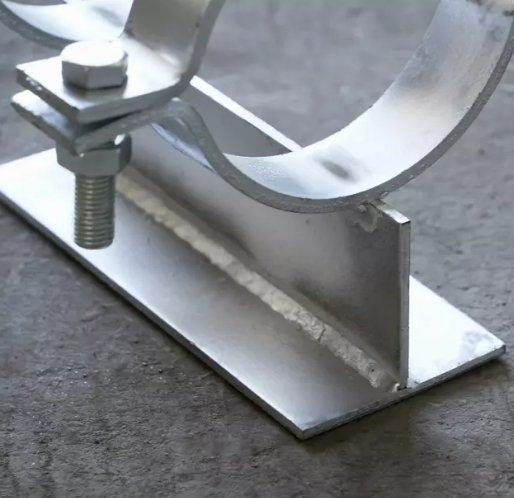
Pipe clamps work by creating a tight seal around the damaged area, preventing water from escaping. These clamps are made up of metal bands that wrap around the pipe, securing rubber gaskets in place. When tightened, the rubber gasket compresses, creating a watertight seal. This effectively stops the leak and keeps the pipe intact.
Temporary vs. Permanent Solutions
Pipe clamps can be a temporary or long-term solution, depending on the severity of the leak. For small leaks, pipe clamps can provide a long-lasting fix. However, for more severe issues like burst pipes, a pipe clamp can stop the leak until a more permanent solution, such as replacing the pipe, is implemented.
Types of Pipe Clamps for Leak Repair
Several types of pipe clamps are available, each designed to handle different types of leaks.
Full Encirclement Clamps
These clamps are ideal for large leaks or cracks. Full encirclement clamps completely wrap around the damaged pipe, ensuring a complete seal. They’re particularly useful for pressurized pipes and can withstand high water pressure, making them a reliable option for significant leaks.
Pin-Hole Leak Repair Clamps
As the name suggests, pin-hole leak repair clamps are designed specifically for tiny leaks. These clamps use a specialized cone to seal the hole, with pressure applied by a force screw. Pin-hole leak repair clamps can handle pressures up to 2000 psi, making them ideal for high-pressure systems.
Stand-Off Repair Clamps
Stand-off repair clamps are often used when the damage is more extensive. These clamps enclose the damaged section of pipe, creating a sealed pressure containment vessel. The seals are energized by compression forces, making them effective for high-pressure applications.
Leak Type | Suitable Pipe Clamp | Best for |
Small Pinhole Leaks | Pin-Hole Leak Repair Clamp | Minor leaks in metal pipes |
Cracks or Fractures | Full Encirclement Clamp | Larger leaks or fractures |
Burst Pipes | Stand-Off Repair Clamp | Severe damage, high pressure |
Step-by-Step Guide: How to Use a Pipe Clamp to Stop a Leak
Preparing for the Repair
Before you start installing the pipe clamp, make sure to take the necessary precautions.
Shutting Off the Water Supply
The first step in any pipe repair is to turn off the water supply to avoid further water damage. Locate your water shutoff valve and ensure no water is flowing through the pipe you plan to repair.
Locating the Leak
Next, you need to find the exact location of the leak. Inspect the pipe carefully, looking for signs of moisture or damage. If you're dealing with an underground pipe or an area that’s hard to reach, you may need specialized tools, like a pipe locator or moisture meter.
Installing the Pipe Clamp
Once you've located the leak and turned off the water, you can begin installing the pipe clamp.
Cleaning the Pipe Surface
For the pipe clamp to work effectively, you need to ensure the surface around the leak is clean and free of rust, dirt, or debris. Use sandpaper or a wire brush to clean the area thoroughly.
Positioning the Clamp
Place the pipe clamp over the leak, ensuring it covers the entire damaged section. The clamp should be snug but not overly tight. It’s essential to align the clamp correctly so it can provide an effective seal.
Tightening the Clamp
Tighten the bolts on the pipe clamp slowly, ensuring an even pressure on both sides. Be careful not to over-tighten, as this could damage the pipe. A secure but not excessive tightening will ensure a proper seal.
Testing the Repair
Once the pipe clamp is in place, it’s time to check your work.
Turning the Water Back On
Slowly turn the water back on and check for leaks around the repaired area. If water still leaks, you may need to reposition the clamp or tighten it further.
Monitoring the Repair
After the initial check, monitor the pipe over the next few days to ensure the leak doesn’t return. While pipe clamps provide a reliable seal, it’s important to inspect the area periodically, especially if the leak was caused by pressure issues or severe pipe damage.
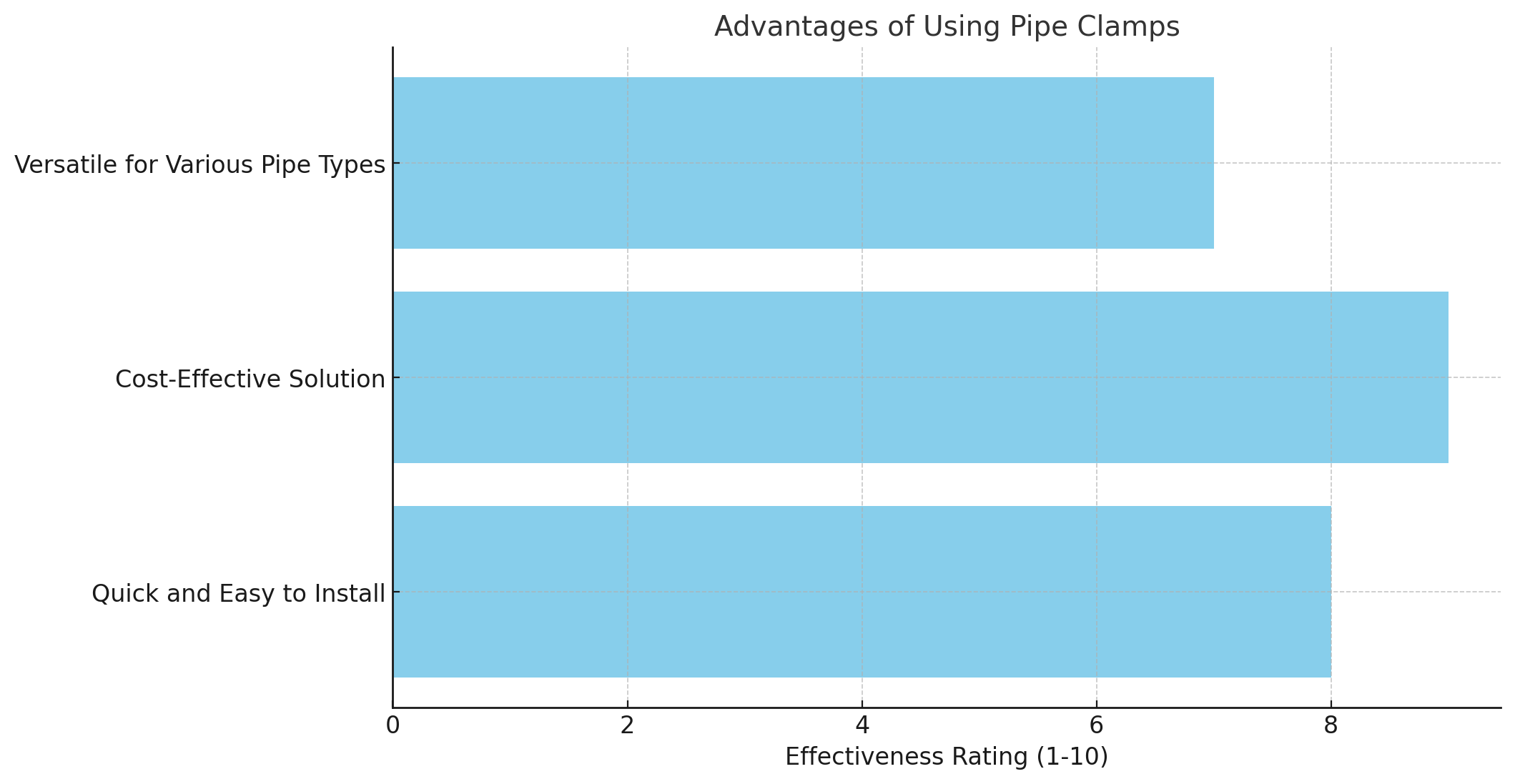
Advantages of Using Pipe Clamps for Leak Repairs
Quick and Easy to Install
One of the biggest advantages of pipe clamps is their ease of use. Most models don’t require any special tools, making them ideal for DIY repairs. Whether you’re a homeowner or a professional plumber, pipe clamps can be installed quickly, saving time and reducing disruption to your home or business.
Cost-Effective Repair Solution
Pipe clamps offer a low-cost alternative to professional plumbing services. They’re an affordable option for minor to moderate leaks, helping you avoid expensive repairs. Additionally, by addressing leaks quickly with a clamp, you prevent further water damage, potentially saving even more on costly repairs.
Versatility for Various Pipe Types
Pipe clamps come in a variety of sizes and styles, making them suitable for a wide range of pipe types, including copper, PVC, and metal pipes. With adjustable sizes, pipe clamps can fit different pipe diameters, ensuring a secure seal regardless of the pipe's material.
Choosing the Right Pipe Clamp for the Job
Key Features to Consider
When selecting a pipe clamp for leak repair, consider the following factors:
Material of the Clamp
Stainless steel is often the best choice for durability and rust resistance. However, some applications may require different materials, such as aluminum or galvanized steel, depending on the environment and pressure requirements.
Size of the Clamp
Make sure the clamp is the right size for your pipe. If the clamp is too large or too small, it won't create an effective seal. Adjustable models are available for varying pipe sizes.
Ease of Installation
Some pipe clamps, like mini repair clamps, are specifically designed for easy installation. These models are ideal for quick repairs, as they don't require specialized tools.
When to Use a Temporary vs. Permanent Repair Clamp
Pipe clamps can be used as temporary fixes for emergency leaks. However, if the damage is severe or the pipe is prone to further issues, a permanent solution, such as pipe replacement, may be necessary.
Factor | Consideration | Why It Matters |
Pipe Size | Ensure the clamp fits your pipe diameter. | A proper fit ensures a secure seal. |
Clamp Material | Choose from stainless steel, aluminum, etc. | Different materials offer varying durability. |
Ease of Installation | Look for user-friendly models like mini repair clamps. | Some models are simpler for DIY repairs. |
Preventative Measures to Avoid Future Pipe Leaks
Regular Maintenance and Inspection
Routine inspections are essential to catch small leaks before they turn into bigger problems. Check your pipes regularly for signs of wear, corrosion, or damage. Clean the pipes as needed to prevent blockages and buildup.
Proper Water Pressure Management
High water pressure can damage pipes over time. Install a pressure regulator to control the water pressure and prevent unnecessary stress on your pipes.
Insulating Pipes in Cold Weather
In colder climates, freezing water can cause pipes to burst. Insulate pipes in unheated areas, and be sure to monitor the weather closely to prevent freezing.
Conclusion
Pipe clamps offer an affordable, effective, and easy solution to stop leaks. Whether for small pinhole leaks or larger fractures, they provide both temporary and long-term repairs. When choosing a pipe clamp, consider the material, size, and ease of installation. For reliable solutions, WEIHENG’s products deliver great value, ensuring secure and lasting repairs. Don’t wait for a leak to worsen—take action today to prevent further damage and save costs.
FAQ
Q: Can pipe clamps stop all types of leaks?
A: Pipe clamps are effective for small to medium leaks, such as pinhole leaks or cracks. However, larger bursts or severe damage may require more extensive repairs.
Q: How do pipe clamps work to stop leaks?
A: A pipe clamp works by sealing the leak with a rubber gasket and metal band, creating a tight seal to prevent water from escaping.
Q: Are pipe clamps easy to install?
A: Yes, pipe clamps are simple to install, requiring minimal tools. They’re a quick solution for DIY repairs.
Q: Can I use a pipe clamp for all pipe materials?
A: Pipe clamps can be used on most pipe materials, including copper, PVC, and metal pipes, offering versatility for various plumbing systems.
Q: What are the advantages of using a pipe clamp for repairs?
A: Pipe clamps provide a cost-effective, temporary or long-term solution to leaks, saving both time and money compared to professional repairs.
Q: How do I choose the right pipe clamp?
A: Consider factors like the size of the pipe, the severity of the leak, and the clamp material when selecting the right pipe clamp for your needs.