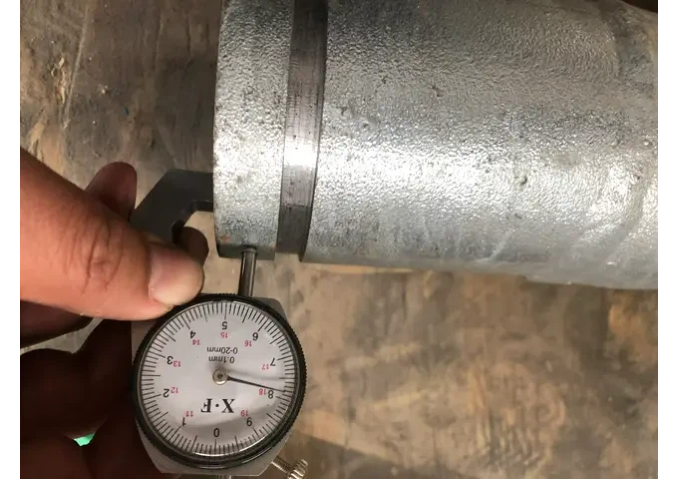
Many buyers know they need Victaulic Cut Groove steel pipe, but they are still unsure whether cut groove or roll groove is the better fit. That question matters because the choice affects installation speed, wall-thickness suitability, coating protection, and long-term system performance. WEIHENG PIPE, established in 2011, supplies grooved steel pipe and related products for customers who need a practical solution, not just a simple quotation. This guide focuses on when cut groove makes more sense, when roll groove is more efficient, and how to match the groove method to actual project conditions.
What Is the Difference Between Cut Groove and Roll Groove
How each groove is formed
The core difference is how the groove is made. In a cut groove process, material is removed from the outside of the pipe end to create the groove. In a roll groove process, the pipe wall is pressed and formed into shape without removing material.
That manufacturing difference changes how the pipe behaves during production and installation. A cut groove is machined, while a roll groove is formed. This affects groove geometry, wall condition, processing speed, and the suitability of the pipe for certain applications.
Why the manufacturing method matters in the field
For buyers and contractors, groove type is not just a factory detail. It can affect preparation time, cleanup, compatibility with heavier walls, and how suitable the pipe is for lined or coated systems.
This is why the decision should not be reduced to “which one is cheaper.” The better question is which method fits the project better. For some jobs, speed matters most. For others, wall condition, internal lining, or service demands matter more.
Why Roll Groove Is Often Chosen for Fast-Paced Projects
Where roll grooving saves time
Roll grooving is popular because it supports faster production and cleaner operation. It usually creates less mess, requires less cleanup, and is easier to repeat across a large number of pipe ends. That makes it especially attractive for projects with tight schedules.
In many commercial and building-service applications, faster pipe preparation directly improves installation efficiency. When hundreds of sections must be processed, that time saving becomes a real project advantage.
Best-fit scenarios for roll groove
Roll groove is often a good choice for standard commercial piping, general utility systems, and fire protection work where the pipe specification is suitable. It performs well when the goal is to move quickly and keep fabrication efficient.
Still, fast production should not be the only deciding factor. If the pipe wall is heavier, or the system includes special coatings or linings, another groove method may be more appropriate even if it is slower to produce.
When Cut Groove Makes More Sense
Thick-wall and heavier-duty piping
Cut grooving is often preferred when the pipe wall is too thick for roll grooving or when the project specifically requires a machined groove. In these cases, cut groove is not a secondary option. It is often the technically correct one.
This matters in industrial systems and other heavier-duty applications where the pipe itself places limits on how the groove should be prepared. Buyers who look only at processing speed may overlook this point and choose a method that is less suitable for the actual line.
Lined, coated, or abrasion-sensitive systems
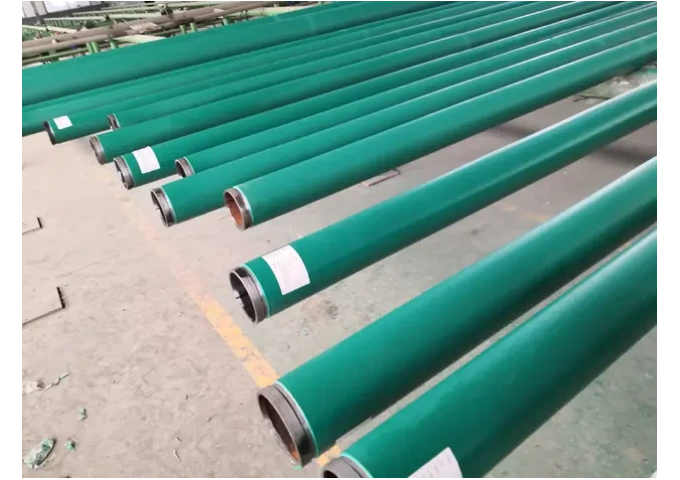
Cut groove is also commonly associated with lined or coated pipe. When the internal condition of the pipe matters, the groove method should support that protection instead of working against it.
This makes cut groove more relevant in applications such as mining, wastewater, slurry transfer, and similar systems where corrosion resistance, wear resistance, or internal surface protection are important. In these environments, durability and service suitability usually matter more than pure fabrication speed.
What Buyers Should Compare Before Deciding
Wall thickness, pipe material, and system pressure
A smart groove decision begins with the pipe itself. Buyers should first review wall thickness, steel grade, service pressure, and the intended operating environment. These details influence whether roll groove is practical or whether cut groove is the better route.
This is why grooved pipe should not be chosen based only on diameter and price. Two pipes may have the same outer size but require different groove methods because of differences in wall condition or service demand.
Coating condition, corrosion risk, and maintenance needs
The second major factor is long-term use. If the pipe is galvanized, coated, or lined, buyers should think beyond fabrication and consider corrosion risk, service life, and maintenance frequency.
A groove method that fits the system well can help preserve long-term value. A groove method chosen only for short-term speed may create more cost later if it does not match the operating environment.
Cost Is Not Just About the Grooving Process
Direct fabrication cost vs. project cost
One common mistake is to compare cut groove and roll groove only by fabrication cost. A faster process may reduce labor in production, but the lowest initial processing cost does not always mean the lowest project cost.
Actual cost includes installation time, site coordination, possible rework, coating protection, and future maintenance. If the wrong groove method is used, savings at the factory may be lost during installation or operation.
What creates long-term value
Long-term value comes from suitability, consistency, and reliability. The right groove method helps ensure smoother fit-up, more predictable installation, and better service performance over time.
For customers, this is the more useful way to think about pipe preparation. The goal is not simply to buy a groove. The goal is to buy a piping solution that supports the project from fabrication through service life.
How to Match the Groove Type to Common Project Scenarios
New construction, retrofit, industrial line, and fire system examples
In new commercial construction, roll groove is often attractive because it helps teams move quickly. In fire protection work, it is also widely used when the pipe specification supports it.
For industrial lines, heavier-duty systems, or projects involving coated or lined pipe, cut groove often deserves closer consideration. In retrofit work, the right choice depends on the existing line, space conditions, and service requirements.
Why suppliers should discuss the full system, not only the pipe
The best recommendation should consider the full system: pipe wall, service medium, corrosion condition, coupling requirements, installation method, and future maintenance needs. Groove type should be matched to the whole application, not treated as an isolated production option.
That is also why product support matters. WEIHENG PIPE supplies not only Victaulic cut groove steel pipe, but also a broader range of steel pipe and related products, helping customers align the pipe preparation method with real project needs.
Cut Groove vs. Roll Groove at a Glance
Comparison Point | Cut Groove | Roll Groove | Best Use Case |
Groove formation | Material is removed from pipe end | Pipe wall is formed into shape | Depends on pipe condition |
Production speed | Slower | Faster | Roll groove for high-volume work |
Thick-wall suitability | Often preferred | May be limited | Cut groove for heavier-duty piping |
Lined or coated pipe | Often more suitable | Not always ideal | Cut groove when protection matters |
Cleanup | More cleanup | Less cleanup | Roll groove for fast-paced fabrication |
Main advantage | Technical suitability | Speed and efficiency | Compare against full system needs |
Conclusion
Neither groove method is universally better. Roll groove is often the better choice when speed, clean processing, and large-volume efficiency are the priority. Cut groove becomes the smarter option when wall thickness, coatings, linings, or operating conditions require a more suitable preparation method. For customers looking for reliable grooved steel pipe solutions, WEIHENG PIPE can support projects with products matched to real application needs. Contact us to discuss your system and find the right groove option.
FAQ
1. Is cut groove better than roll groove?
Not in every situation. Cut groove is often better for thicker-wall or lined pipe, while roll groove is often preferred for faster production and standard applications.
2. When should I use Victaulic cut groove steel pipe?
It is often the right choice when the pipe wall is heavier, when the line includes coatings or linings, or when the application requires a machined groove.
3. Why is roll groove common in construction projects?
Because it is cleaner, faster, and easier to repeat across many pipe sections, which helps improve efficiency on large installations.
4. Can WEIHENG PIPE supply related grooved pipe products?
Yes. WEIHENG PIPE supplies Victaulic cut groove steel pipe and a wider range of steel pipe and related products for different project requirements.


