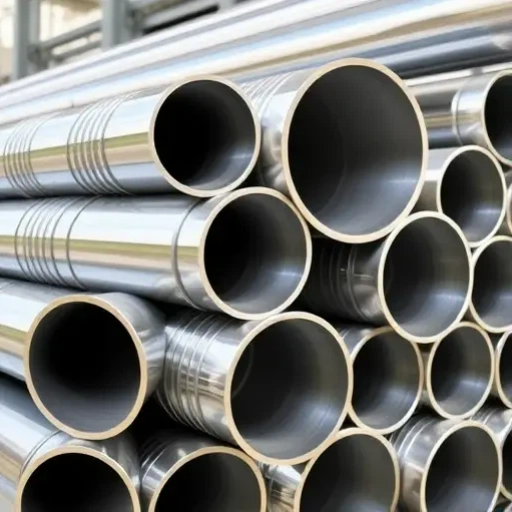
Downtime is expensive whether it happens during installation, retrofit work, shutdown maintenance, or later system repair. Victaulic Cut Groove steel pipe matters because pipe connection decisions affect schedule risk more than many buyers realize. A project can lose time not only because of the pipe itself, but because of the joining method, preparation steps, and the amount of interruption required on site. At WEIHENG PIPE, we supply cut grooved steel pipe for customers who care about keeping projects moving with greater installation efficiency and continuity.
Why Pipe Connection Methods Affect Downtime More Than People Expect
Delays often come from preparation and installation, not only the pipe itself
When a project falls behind, the real cause is often not the pipe material alone. Welding takes time. Threading takes time. Rework takes time. Hot-work permits, safety controls, alignment correction, and follow-up inspection all add extra steps that can slow progress.
That is why connection strategy has such a strong effect on downtime. A pipeline is installed in real conditions where access may be limited and shutdown windows may be short. If the joining method creates too many interruptions, the whole schedule becomes harder to control.
Why grooved systems changed the workflow
Grooved systems became popular because they simplify joining compared with more time-consuming traditional methods. Instead of depending heavily on hot work or extensive threading, grooved joining supports faster mechanical assembly and a cleaner workflow.
That matters because simpler assembly usually means fewer stages where work can stop. When a project team is under time pressure, that predictability creates real value.
How Cut Groove Supports Faster and Cleaner Installation
No welding, less hot work, fewer interruptions
One of the clearest ways cut groove technology helps reduce project downtime is by supporting mechanical joining without depending on welding during assembly. That means less hot work on site and fewer interruptions related to permits, safety planning, and inspection.
This advantage becomes especially useful in facilities where hot work is difficult to schedule or where nearby operations make welding less convenient. Reducing hot work does not only improve safety planning. It also helps the job move forward with fewer delays.
Better predictability during assembly
Project delays are often caused by uncertainty. If crews are unsure whether joints will fit smoothly or whether rework will appear late in the process, progress slows down. Properly prepared cut groove pipe helps reduce those surprises.
When groove preparation is accurate and consistent, assembly becomes more predictable. Pipe sections fit more smoothly, crews spend less time on adjustment, and installation flow improves. That predictability is one of the most practical ways cut groove technology supports schedule control.
Why Cut Groove Helps During Maintenance and Retrofit Work
Faster replacement and easier disassembly
Downtime becomes even more expensive during maintenance and repair work. A system may already be in operation, and the shutdown window may be very limited. In those situations, faster replacement matters a great deal.
Cut grooved systems help because mechanical joining makes pipe sections easier to remove and replace than methods that require more extensive rework. Maintenance teams value this because it helps reduce lost time and return systems to service faster.
Useful for systems that need future modification
Many piping systems eventually need expansion, repair, phased installation, or layout changes. A connection method that is easier to work with later can reduce downtime well beyond the original installation stage.
Cut groove technology supports this advantage by making mechanical joining practical in applications where cut groove is the right preparation method. That makes it useful not only for initial installation, but also for future access and modification.
Where Cut Groove Delivers the Most Practical Time Savings
Industrial plants, fire systems, and shutdown-driven projects
Cut groove technology creates practical value anywhere downtime is costly. In industrial plants, delays affect production schedules. In shutdown-driven projects, every hour matters. In fire system work, installation speed and coordination often influence the broader construction schedule.
These are the settings where prepared grooved pipe offers more than convenience. It offers better time control. When the joining method helps reduce installation steps and streamline assembly, the benefit is visible in the project schedule itself.
Heavy-wall or lined systems where cut groove is the better fit
Cut groove also matters in applications where roll groove may not be the best option. Heavier-wall pipe, lined pipe, or certain service conditions may make cut groove the more suitable preparation method.
That distinction is important because a project does not save time simply by using a popular method. It saves time by using the method that best matches the pipe and the application. When cut groove is the right fit, selecting it early helps avoid delays caused by mismatched preparation or unnecessary correction.
Downtime Is Also About Avoiding Rework
Groove accuracy reduces avoidable delays
A great deal of downtime comes from mistakes that should not happen in the first place. Poor groove accuracy can lead to fit-up problems, leakage-related correction, rejected sections, or installation delays.
That is why groove preparation quality matters so much. Accurate cut groove preparation helps reduce rework before it begins. When the groove is consistent and the finished section arrives ready for use, crews spend less time dealing with preventable issues.
Supplier readiness matters
Buyers often focus on price first, but supplier readiness also affects downtime. Fabrication control, packaging quality, delivery accuracy, and application knowledge all influence whether the pipe arrives ready to support fast progress.
If the supplier misunderstands the application, ships the wrong preparation, or fails to protect the finished ends properly, the project may lose time before installation even begins. That is why buyers should care about preparation quality as much as product cost.
How to Evaluate Downtime Reduction as a Buying Metric
Look beyond unit price
A lower pipe price does not always mean a lower project cost. If one option leads to slower installation, more interruptions, or harder maintenance later, the initial saving may disappear quickly.
Lower installation time, easier service access, and better predictability can create more value than a small difference in unit price. This is especially true in facilities where shutdown hours are expensive or labor coordination is difficult.
Questions buyers can use in RFQs and supplier discussions
A useful RFQ should include more than size and price. Buyers who want to reduce downtime should also ask whether the pipe can be factory-prepared, how groove quality is controlled, how finished ends are protected, and whether the preparation method suits the intended service condition.
These questions shift the conversation from basic procurement to project performance, which usually leads to a more practical purchasing decision.
How Cut Groove Steel Pipe Can Reduce Downtime Across Project Stages
Project Stage | Common Delay Source | How Cut Groove Helps | Business Impact |
Planning and procurement | Unclear preparation method | Confirms a suitable groove approach early | Fewer revisions |
Fabrication | Time-consuming joining alternatives | Supports mechanical joining preparation | Faster workflow |
Installation | Welding, hot work, fit-up delays | Reduces on-site joining complexity | Shorter installation window |
Shutdown maintenance | Limited repair time | Helps speed replacement and reassembly | Faster return to service |
Retrofit or expansion | Difficult future modification | Supports easier access and connection work | Lower downtime risk |
Quality control | Rework from inconsistent grooves | Accurate preparation reduces avoidable issues | Better schedule predictability |
Conclusion
Reducing downtime is not only about working faster on the first day of installation. It is also about avoiding interruptions, reducing rework, making maintenance easier, and keeping execution more predictable over time. When the preparation method fits the pipe and the project, the time savings can be felt across installation, repair, and future modification. For customers who care about schedule reliability as much as product quality, WEIHENG PIPE offers grooved steel pipe solutions designed to support smoother project execution. Contact us to discuss your application and timeline.
FAQ
1. How does cut groove technology help reduce project downtime?
It supports faster mechanical joining, reduces hot work on site, improves assembly predictability, and makes later maintenance or replacement easier.
2. Why do connection methods affect downtime so much?
Because delays often come from welding, threading, alignment correction, inspection, and rework, not just from the pipe itself.
3. Where does cut grooved steel pipe create the most time-saving value?
It is especially useful in industrial plants, shutdown-driven maintenance work, fire systems, and retrofit projects where lost time has a high cost.
4. What should buyers ask if they want to reduce downtime through pipe selection?
They should ask about factory-prepared ends, groove quality control, packaging protection, application suitability, and installation efficiency.


