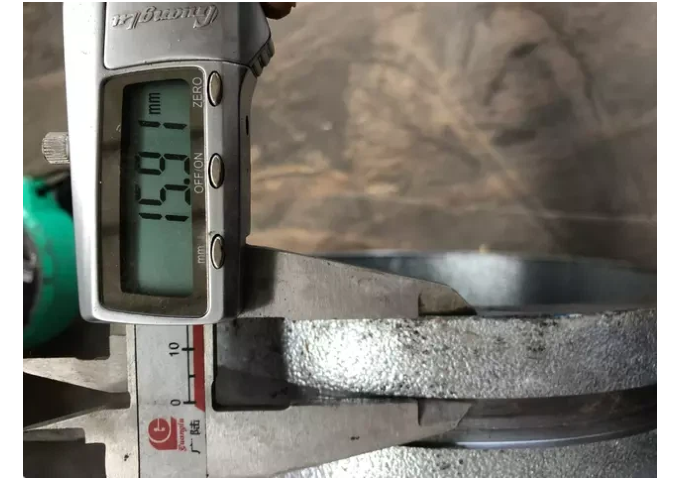
Pipe diameter is often the first detail buyers mention, but in cut grooving, wall thickness is usually the more important one. Victaulic Cut Groove steel pipe depends on suitable wall thickness because cut grooving removes material from the pipe end, which directly affects groove shape, coupling fit, and installation reliability. If the wall is not suitable, the groove may not perform as intended even when the pipe size appears correct on paper. At WEIHENG PIPE, we help customers look beyond nominal size and focus on whether the pipe is truly suitable for the intended connection, production method, and service condition.
Why Wall Thickness Matters in Cut Grooving
The groove changes the pipe end geometry
Cut grooving removes material from the pipe end to form the groove, so wall thickness directly affects how that groove is created. This is why wall condition is not just a material detail on a specification sheet. It influences the quality of the groove itself and how the coupling engages with the finished pipe during installation.
A pipe with suitable wall thickness supports a more reliable groove profile and gives greater stability during preparation. A pipe that is too thin may lead to less confidence in the finished connection and make the groove harder to control consistently. The key issue is not simply whether a groove can be made, but whether it can be made correctly for dependable use in the actual piping system.
Why pipe size alone is not enough
Two pipes can have the same outside diameter but still behave very differently if their schedules or wall thicknesses are different. This is where buyers sometimes make costly mistakes. A matching diameter does not automatically mean the pipe is equally suitable for cut grooving.
That is why steel pipe cut grooving requirements should always include wall thickness, not just pipe size. Diameter identifies the product range, but wall thickness often decides whether the groove method is appropriate. For real projects, that distinction matters because installation performance depends on more than visual size matching.
What Minimum Wall Thickness Really Means
It is a suitability threshold, not a generic number
Minimum wall thickness should not be treated as one universal number. It depends on pipe size, groove profile, standard, and system design. A value that works in one application may not be correct in another, and that is why oversimplified answers often create confusion.
The better way to understand it is as a suitability threshold. It marks the point where the pipe wall is appropriate for the intended groove and connection system. This way of thinking is more practical because it reflects how pipe, groove, and service conditions work together in real use.
Why buyers should think in matched components
The pipe, groove, coupling, and application all work together. Wall thickness should not be judged in isolation. It should be checked together with the connection requirement, pipe material, pressure level, and service condition.
This helps buyers avoid quoting mistakes and installation problems. It also leads to clearer communication with the supplier before production begins. A cut grooved pipe should always be evaluated as part of a complete connection system rather than as a standalone product detail.
What Problems Happen When the Pipe Is Too Thin
Groove quality and coupling engagement issues
If the wall is too thin, groove quality may become harder to control. The groove may be less consistent, and coupling fit may become less predictable. Even if the pipe looks acceptable at first glance, the finished result may not provide the same level of confidence during assembly.
This is why minimum wall thickness for cut grooving matters in practice. A thickness mismatch can affect not only machining but also installation and service performance. What starts as a specification problem can quickly become a connection problem on site.
Increased rework and project delay
The wrong wall thickness can also create commercial problems. It may lead to rejected material, repeated clarification, rework, or delayed production. On larger orders, one misunderstanding can affect many pieces at once and slow down the whole project schedule.
That is why confirming grooved pipe wall thickness early is one of the easiest ways to reduce avoidable risk. It saves time for both buyer and supplier, and it helps prevent confusion before pipe preparation begins.
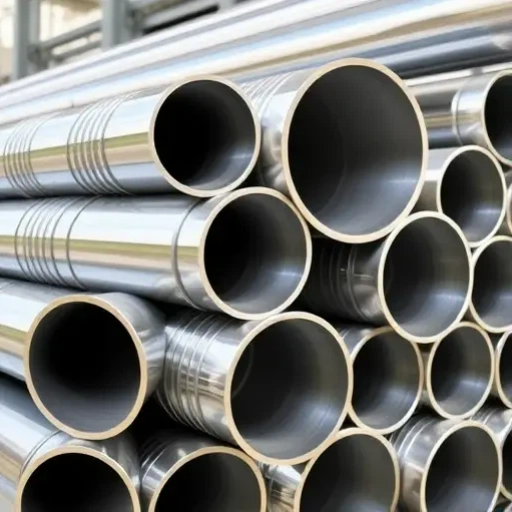
How to Evaluate Wall Thickness Before Ordering
Confirm standard, schedule, and application
Before ordering, buyers should confirm the pipe schedule, material standard, service condition, and whether cut groove is the right preparation method. These details give a clearer basis for judging suitability and reduce the chance of ordering a pipe that looks correct but is not ideal for the intended use.
Schedule is especially important because it reflects wall thickness more accurately than nominal size alone. The actual application matters too, since different systems place different demands on the connection. A utility line, fire system, and industrial service line may all require different levels of review even when the nominal size is similar.
Ask the supplier the right questions
A useful inquiry should include size range, medium, pressure condition, whether the pipe is galvanized or lined, and whether factory-prepared ends are required. This allows the supplier to review whether cut groove is appropriate and whether wall thickness needs special attention.
When buyers provide complete information early, the quotation process becomes faster and more accurate. It also improves communication because the recommendation is based on real application details rather than assumptions.
Why Cut Groove Is Often Linked to Standard Weight or Heavier Pipe
Understanding the practical rule behind the recommendation
Cut groove is often associated with standard weight or heavier wall pipe because the process removes material from the pipe end. A stronger wall condition usually provides a more dependable basis for groove formation, which is why buyers often hear this recommendation in technical discussions.
This practical rule helps explain why suppliers ask about wall thickness before approving cut grooved pipe. It reflects how the process works in production and installation, not simply a preference in manufacturing.
When another groove method may be more suitable
There are also cases where cut groove is not the best option. If wall condition and application allow it, another groove method may be more practical. This does not reduce the value of cut groove. It simply shows that wall thickness helps determine which method is most suitable for the actual project.
That is why thickness evaluation remains useful even when the final recommendation is different. It helps the buyer reach a more accurate decision before production starts.
Turning a Technical Requirement Into a Better Purchase Decision
Reduce quoting errors before production starts
Many quotation problems begin when wall thickness is not confirmed early. If key details are missing, the supplier may need to revise the recommendation, delay production planning, or request more information after the inquiry stage.
When schedule, thickness, and application are confirmed at the start, communication is clearer and order accuracy improves. This reduces assumptions, avoids repeated corrections, and supports smoother production planning from the beginning.
Why an experienced supplier adds value here
Wall thickness decisions are easier when the supplier understands how project requirements translate into preparation choices. Buyers want more than a matching size. They want a pipe product that fits the actual connection method and service condition.
WEIHENG PIPE supports customers with a wider steel product range and practical experience in matching pipe preparation to project needs. That helps turn technical details into smoother order decisions and more dependable project execution.
What to Confirm Before Approving Cut Grooved Pipe
Item to Confirm | Why It Matters | Risk if Overlooked | Who Should Verify It |
Nominal pipe size | Defines the product range | Wrong preparation basis | Buyer and supplier |
Pipe schedule or wall thickness | Determines groove suitability | Mismatch or rework | Buyer and supplier |
Material standard | Affects preparation expectations | Wrong assumptions | Supplier |
Service medium | Influences application fit | Incorrect recommendation | Buyer |
Pressure condition | Helps judge connection demands | Technical mismatch | Buyer and supplier |
Galvanized, coated, or lined condition | Affects groove suitability | Surface or use issues | Buyer and supplier |
Factory-prepared ends | Clarifies production scope | Delivery confusion | Buyer |
Coupling requirement | Ensures matched components | Assembly problems | Buyer and supplier |
Conclusion
Minimum wall thickness should be confirmed early when ordering cut grooved pipe because it affects groove suitability, coupling performance, production accuracy, and installation confidence. A correct thickness decision helps reduce mismatch, improve communication, and support smoother delivery from the start. For customers sourcing grooved steel pipe for real projects, WEIHENG PIPE can help review schedule, application, and end-preparation requirements before production. Contact us to discuss your project details and pipe needs.
FAQ
1. Why does wall thickness matter so much in cut grooving?
Because cut grooving removes material from the pipe end. If the wall is not suitable, the groove may not form or perform as intended, which affects both fit and reliability.
2. Can the same pipe size have different cut groove suitability?
Yes. Pipes with the same outside diameter may have different schedules or wall thicknesses, and that can change whether cut grooving is suitable for the connection.
3. What should I tell the supplier before ordering cut grooved pipe?
You should provide pipe size, schedule, material standard, service medium, pressure condition, and whether the pipe is galvanized, lined, or needs factory-prepared ends.
4. Does heavier wall always mean cut groove is the right choice?
Not always. Heavier wall often supports cut groove better, but the final decision should still match the application, groove requirement, and connection method.


