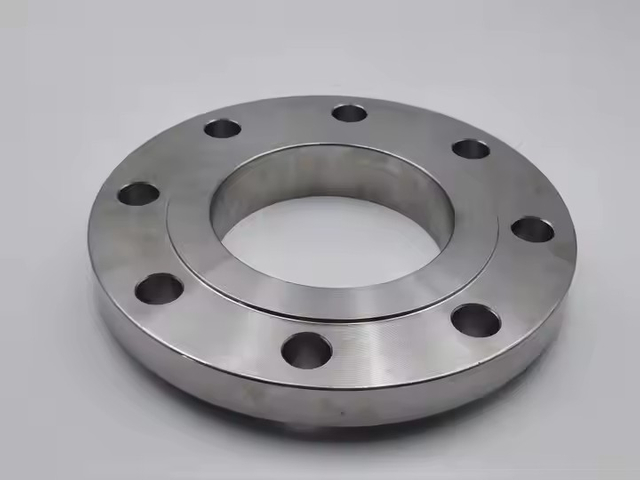
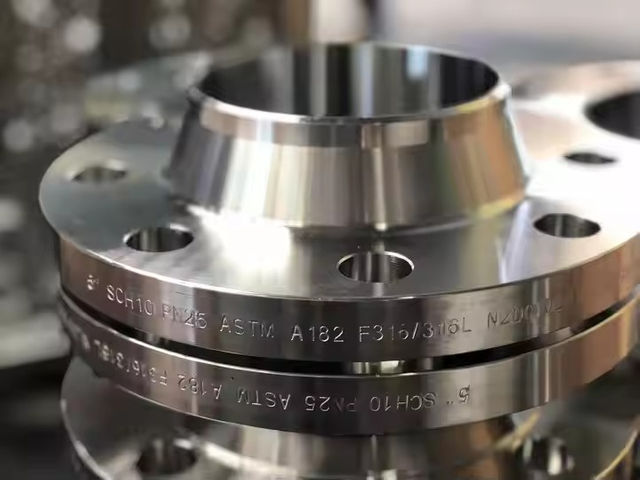
You rely on stainless steel flanges for strong and reliable connections in piping systems. These flanges provide a secure connection that keeps your piping systems safe and efficient. Stainless steel flange options offer durability, corrosion resistance, and versatility for many industrial applications. You see these flanges in demanding environments like oil and gas, petrochemical, and food processing. The global market for flanges will reach USD 5,849.8 million in 2026, with piping systems needing secure connection solutions. Choose WEIHENG PIPE as your trusted supplier for stainless steel flange needs. Visit https://www.czwhsteel.com/.
Petrochemical sector uses the most stainless steel flanges.
Food and beverages processing grows fastest in flange applications.
Oil and gas remains a major user of stainless steel flange products.
Key Takeaways
Stainless steel flanges provide strong, leak-proof connections in piping systems, ensuring safety and efficiency.
The petrochemical sector is the largest user of stainless steel flanges, highlighting their importance in industrial applications.
Food and beverage processing is the fastest-growing application for stainless steel flanges, emphasizing hygiene and safety.
Stainless steel flanges excel in high-pressure and high-temperature environments, making them ideal for oil and gas operations.
Corrosion resistance is a key benefit of stainless steel flanges, especially in harsh marine and offshore conditions.
In chemical processing, stainless steel flanges maintain process integrity and prevent contamination, ensuring safety.
Regular maintenance and inspection of stainless steel flanges can extend their service life and reduce downtime.
Choosing high-quality stainless steel flanges from trusted suppliers like WEIHENG PIPE ensures compliance with industry standards.
Oil & Gas Applications for Stainless Steel Flanges
You see stainless steel flanges everywhere in oil and gas operations. These flanges connect pipes, valves, and equipment, making your systems safer and more efficient. You rely on stainless steel flanges for their strength and resistance to harsh environments. They handle high-pressure applications and extreme temperatures, which are common in oil and gas fields.
Pipeline Flange Connections
Stainless steel flanges play a key role in pipeline connections. You use them to create leak-proof joints that keep oil and gas contained. These flanges prevent spills and protect the environment. You choose stainless steel flanges because they offer high strength and superior corrosion resistance. A study by the Association of Materials Protection and Performance found that stainless steel flanges improve service life by over 35% compared to carbon steel. You reduce maintenance costs and avoid downtime.
Leak-Proof Joints
You need leak-proof joints in every pipeline. Stainless steel flanges provide tight seals that withstand operational stress. Precision machining ensures that these flanges fit perfectly, preventing leaks. You trust stainless steel flanges for their consistent performance.
High Pressure Resistance
Oil and gas pipelines operate under high pressure. Stainless steel flanges handle these conditions with ease. You select flanges based on pressure ratings. The table below shows typical ratings for ASME B16.5 flange classes:
ASME B16.5 Flange Classes
Maximum Pressure (at 100°F)
Class 150
285 psi
Class 300
740 psi
Class 400
990 psi
Class 600
1,480 psi
Class 900
2,220 psi
Class 1500
3,705 psi
Class 2500
6,175 psi
You see that stainless steel flanges support high-pressure applications. Wellhead equipment uses flanges with ratings up to 20,000 psi. You rely on these flanges for their strength and durability.
Offshore Flange Durability
Offshore platforms demand even more from stainless steel flanges. You face saltwater, high pressure, and constant vibration. Stainless steel flanges resist corrosion from saltwater and marine atmosphere. You avoid pitting and crevice corrosion, which can damage other materials.
Saltwater Corrosion Resistance
You choose stainless steel flanges for their exceptional corrosion resistance. These flanges withstand oxidation, chemical corrosion, and chloride attack. You extend pipeline life and reduce maintenance costs. Offshore environments test your equipment every day. Stainless steel flanges pass these tests.
Safety Standards
You must meet strict safety standards in offshore oil and gas applications. Stainless steel flanges comply with ANSI, ASME, and AWWA standards. The table below shows key standards:
Standard
Application
Description
ANSI
Stainless Steel Flanges
Handles critical workloads in oil and gas applications.
ASME
Stainless Steel Flanges
Governs specifications for high-pressure and corrosive environments.
AWWA
Stainless Steel Flanges
Guarantees safety and reliability in water supply and treatment systems.
You trust stainless steel flanges to meet global standards. You ensure reliability and project approval.
You see that stainless steel flanges deliver performance, safety, and reliability in oil and gas applications. You make the right choice for your pipelines and offshore platforms.
Chemical Industry Flange Solutions
Reactor and Vessel Flanges
Chemical Resistance
You need stainless steel flanges in reactor and vessel applications because they offer unmatched chemical resistance. These flanges stand up to harsh chemicals, acids, and extreme environments. You avoid frequent replacements and reduce downtime. Stainless steel flanges resist corrosion across a wide pH range, which is essential for corrosive, sanitary, or mission-critical systems. You benefit from their durability and long-lasting performance.
Stainless steel flanges resist corrosion from acids and chemicals.
You rely on their durability for cost-effective solutions.
Stainless steel flanges perform well in environments with varying pH levels.
Note: You protect your equipment and maintain process stability when you choose stainless steel flanges from WEIHENG PIPE. Their products deliver superior chemical resistance and durability for demanding applications.
Process Integrity
You maintain process integrity with stainless steel flanges. These flanges create secure connections in reactors and vessels. You prevent leaks and contamination, which keeps your chemical processing safe and efficient. Stainless steel flanges support high-pressure and high-temperature operations. You trust them to keep your system running smoothly.
Flange Type
Application
Benefit
Weld Neck
Reactor Connections
Leak-proof, strong seal
Slip-On
Vessel Attachments
Easy installation
Blind
Process Isolation
Prevents contamination
You select the right flange type for each application. You ensure process integrity and safety in your chemical processing plant.
Safety System Flanges
Contamination Prevention
You prevent contamination in chemical processing plants by using safety system flanges. Flange shields and splash guards stop leaks and sprays at flange points. You protect workers from exposure to harmful chemicals. These shields fit various types of flanges, valves, and expansion joints. You meet safety and compliance standards by containing leaks.
Flange shields prevent chemical leaks and spills.
Splash guards protect workers and equipment.
Shields use durable materials like stainless steel, polypropylene, and PVC.
You keep hazardous chemicals from contaminating the environment.
You help your business meet sustainability goals.
Tip: You improve safety and environmental protection when you install stainless steel flanges with high-quality shields from WEIHENG PIPE.
Maintenance Access
You simplify maintenance with stainless steel flanges in safety systems. You use flange shields to prevent leaks and sprays from flanges and valves. You install flange guards to contain hazardous sprays and protect personnel. You follow a star or crisscross pattern when torquing flange bolts to ensure even compression. You apply anti-seize compounds to protect against moisture and corrosion. You use protective coatings and encapsulation systems to shield flanges from chemical attacks.
Use calibrated torque wrenches for accurate preload values.
Isolate dissimilar metals with non-conductive washers or dielectric coatings.
Follow manufacturer specifications for maintenance protocols.
You keep your chemical processing plant safe and efficient. You reduce downtime and extend the life of your stainless steel flanges.
Alert: You maximize safety and minimize maintenance when you choose stainless steel flanges from WEIHENG PIPE. Their products meet the highest standards for chemical processing applications.
Power Generation Flange Uses
You depend on stainless steel flanges to keep power plants running safely and efficiently. These flanges connect steam and water systems, handle extreme temperatures, and maintain pressure integrity. You see them in fossil fuel, nuclear, and renewable energy facilities. Their reliability supports continuous power generation.
Steam and Water Flanges
You use stainless steel flanges in steam and water lines because they withstand high temperatures and pressure. These flanges create secure joints that prevent leaks and system failures. You select the right flange type for each part of your system.
Flange Type
Description
Applications in Power Generation Systems
Weld Neck Flange
Designed for high-pressure environments with strong, durable connections.
Ideal for high-pressure steam and water systems.
Slip-On Flange
Easy to install, suitable for low-pressure applications.
Used in water treatment plants.
Blind Flange
Closes off piping systems, suitable for high-pressure applications.
Used in gas or liquid pipelines.
Threaded (Screwed) Flange
Screws onto pipes, suitable for low-pressure systems.
Ideal for small-diameter piping in plumbing.
Socket Weld Flange
Allows pipe insertion before welding, used for small-diameter, high-pressure pipes.
Common in chemical processing.
Lap Joint Flange
Consists of two pieces, allows for easy alignment and disassembly.
Used in low-pressure applications like food processing.
Long Weld Neck Flange
Extended neck for high-pressure environments, handles thermal expansion.
Used in high-pressure vessels in oil and gas industries.
Expander Flange
Increases pipe diameter, compact solution for limited space.
Common in chemical processing applications.
Orifice Flange
Measures flow of liquids or gases, includes orifice plates.
Used in oil and gas for flow measurement.
Spade and Ring Spacer Flange
Isolates sections of pipelines, allows for maintenance.
Common in oil, gas, and chemical industries.
High Temperature Handling
You need stainless steel flanges for high-temperature applications in power plants. These flanges resist warping and maintain their strength even when exposed to steam above 800°F. You see a drop in pressure capacity as temperature rises, so you must choose flanges rated for both pressure and temperature. For example, a Class 600 flange can handle up to 1,480 psi at lower temperatures, but this rating decreases as the temperature increases. You protect your system by matching flange ratings to your operating conditions.
Pressure Endurance
You rely on stainless steel flanges to handle high-pressure steam and water. The table below shows common pressure classes and their uses:
Pressure Class
Maximum Pressure
Applications
Class 150
up to ~285 psi
Water systems, HVAC, low-pressure steam, fire protection, and general industrial piping.
Class 300
up to ~740 psi
Process piping, compressed air, hydrocarbons, and light chemical service.
Class 600
up to ~1480 psi
Oil and gas processing, steam systems, chemical plants, and power generation.
You prevent leaks and failures by selecting flanges that match your system’s pressure requirements. You also extend the service life of your equipment.
Tip: For power generation applications, you should choose stainless steel flanges from WEIHENG PIPE. Their products deliver the durability and reliability you need for high-pressure and high-temperature systems.
Nuclear Plant Flanges
You face strict requirements when you work with nuclear power systems. Stainless steel flanges must meet rigorous material standards and pass extensive testing. You trust these flanges to keep your plant safe and operational.
Material Standards
You select stainless steel flanges that comply with international and industry standards. The table below lists key standards for nuclear plant flanges:
Standard
Description
ISO 9001:2015
Quality management system standard
NQA-1
Quality assurance requirements for nuclear facility applications
10CFR50 Appendix B
Quality assurance criteria for nuclear power plants and fuel reprocessing plants
10CFR Part 21
Reporting of defects and noncompliance
ASME NCA-3800
Quality assurance requirements for nuclear components
You often use materials like ASTM A105, A182 F316, or special alloy steels. You may need enhanced impact testing or compliance with EN 10222 for European projects.
Long-Term Reliability
You demand long-term reliability from stainless steel flanges in nuclear power. These flanges undergo non-destructive testing and seismic qualification. You find them in reactor coolant systems, steam generator tubing, and emergency core cooling systems. Each application requires custom engineering for crack resistance, corrosion protection, and pressure integrity.
Application
Key Features
Reactor Coolant System Piping
Custom-engineered pipes that withstand high temperatures and pressures, rigorously tested for crack resistance and longevity.
Steam Generator Tubing
Designed for heat transfer efficiency, resistant to stress corrosion cracking, undergoes non-destructive testing.
Spent Fuel Pool Piping
Highly corrosion-resistant, specialized welding techniques, custom configurations for safety.
Custom-designed to maintain pressure integrity, subjected to helium leak testing.
Radwaste System Piping
Designed for corrosive and radioactive fluids, comprehensive quality assurance processes.
You ensure plant safety and performance by choosing high-quality stainless steel flanges. You can rely on WEIHENG PIPE to supply flanges that meet the highest standards for nuclear power applications.
Water Treatment Stainless Steel Flanges
You rely on stainless steel flanges to keep water treatment systems running smoothly. These flanges connect pipes and equipment in filtration and wastewater applications. You choose stainless steel flanges because they resist corrosion and offer easy maintenance. You see their value in both new installations and upgrades.
Filtration System Flanges
Corrosion Resistance
You face many corrosion challenges in water treatment plants. Stainless steel flanges protect your system with a passive chromium oxide film. This film shields the flanges from rust and chemical damage. Grades 304 and 316 work well in mildly acidic or chloride-rich environments. You benefit from their weldability and mechanical strength. You avoid leaks and ruptures by using corrosion-resistant materials.
Corrosion Type
Description
Mitigation Strategies
Pitting Corrosion
Small, deep cavities caused by breakdown of protective oxide films.
Regular monitoring and selecting alloys with higher PREN.
Crevice Corrosion
Occurs in narrow gaps where stagnant fluid leads to aggressive ion concentration.
Eliminate tight gaps and use corrosion-resistant gaskets.
Stress Corrosion Cracking
Initiated by concentrated stress in the presence of corrosive environments.
Targeted inspection and remediation practices.
You reduce maintenance costs and extend service life by choosing stainless steel flanges from WEIHENG PIPE. Their products deliver superior corrosion resistance for water treatment applications.
Easy Maintenance
You simplify maintenance with stainless steel flanges. You inspect for early signs of corrosion such as rust and discoloration. You clean flanges regularly to prevent buildup and contamination. You use proactive maintenance to avoid leaks and ruptures.
Regular inspection helps you spot problems early.
Thorough cleaning keeps your system efficient.
Corrosion-resistant materials reduce downtime.
You choose stainless steel flanges because they make maintenance easier. You trust WEIHENG PIPE for reliable products that support your maintenance goals.
Wastewater Flange Applications
System Integrity
You maintain system integrity in wastewater treatment by using stainless steel flanges. These flanges create leak-proof connections that keep hazardous materials contained. You rely on bolted and welded flanges to prevent leaks and ensure safety. You protect your facility and the environment.
Benefit
Explanation
Superior Corrosion Resistance
Stainless steel resists rust, oxidation, and chemical damage, ensuring long service life in harsh environments, including acidic and saline conditions.
Leak-Proof Connections
Bolted and welded connections prevent leakage, ensuring efficiency and safety in critical operations, including hazardous material transport.
Cost-Effective in the Long Run
Initial investment may be high but ensures long-term savings, reducing replacement and repair expenses.
You choose stainless steel flanges for their proven performance in wastewater applications. You trust WEIHENG PIPE to supply flanges that meet your safety and efficiency needs.
Longevity
You improve the longevity of your wastewater treatment system with stainless steel flanges. You avoid frequent replacements because stainless steel resists rust and chemical damage. You save money over time by reducing repair expenses. You keep your system running longer and more efficiently.
Tip: You maximize durability and reliability by selecting stainless steel flanges from WEIHENG PIPE. Their products help you achieve long-term success in water and wastewater treatment.
You see that stainless steel flanges deliver corrosion resistance, easy maintenance, system integrity, and longevity. You make the right choice for water treatment applications by choosing WEIHENG PIPE.
Food & Beverage Flange Applications
Hygienic Stainless Steel Flanges
Sanitary Design
You need stainless steel flanges in food and beverage processing to keep your products safe. These flanges have a smooth, shiny surface that does not trap bacteria or contaminants. You often see SS 304 and SS 304L grades because they resist corrosion and look clean. A smooth finish is important. Rough surfaces can hide germs, which is not allowed in food production. You want flanges that are easy to clean and can handle high pressure. This helps you meet strict hygiene rules in your plant.
You choose stainless steel flanges for their smooth finish.
You avoid rough surfaces that can trap bacteria.
You select flanges that resist corrosion and cleaning chemicals.
Tip: You improve food safety when you use stainless steel flanges from trusted suppliers like WEIHENG PIPE. Their products help you meet industry standards for hygiene.
Contamination Prevention
You must prevent contamination in every step of food and beverage processing. Stainless steel flanges help you do this by creating tight, leak-proof connections. You rely on these flanges to keep your system clean during production and cleaning cycles. They resist food-grade cleaning chemicals, so you do not worry about damage or leaks. You know that compliance with hygiene standards is not optional. It protects your customers and your business.
Feature
Benefit
Smooth surface finish
Stops bacteria from hiding in crevices
Corrosion resistance
Keeps flanges safe from cleaning agents
Easy to clean
Reduces risk of contamination
High-Pressure Cleaning Flanges
Frequent Use Durability
You use high-pressure cleaning flanges in food and beverage plants because you clean your equipment often. These flanges must handle hot water, steam, and strong cleaning chemicals. You need flanges that do not wear out quickly. Stainless steel flanges keep their strength and shape, even after many cleaning cycles. You trust them to work well during Clean-In-Place (CIP) and Sterilization-In-Place (SIP) processes. You want reliable performance every time you clean your system.
You also see high-density polyethylene pipes used with stainless steel flanges. These pipes resist corrosion and do not let microbes grow. This keeps your production lines safe and efficient.
Note: You save time and money when you choose stainless steel flanges that last. WEIHENG PIPE offers products designed for frequent cleaning and long service life.
Industry Compliance
You must follow strict rules in the food and beverage industry. Stainless steel flanges help you meet these standards. They are made to resist cleaning chemicals and high pressure. You know that using the right flanges keeps your plant in compliance and your products safe. You avoid costly recalls and protect your reputation.
You select flanges that meet food safety standards.
You trust stainless steel flanges for reliable, hygienic connections.
You choose WEIHENG PIPE for products that support your compliance goals.
You see that stainless steel flanges play a key role in food and beverage applications. They help you maintain hygiene, prevent contamination, and meet industry standards.
Pharmaceutical & Biotech Flanges
You work in pharmaceutical and biotech manufacturing, so you know that product purity and process safety are top priorities. Stainless steel flanges play a critical role in these environments. You depend on these flanges to maintain sterile conditions, support precise equipment, and meet strict regulatory standards.
Sterile Process Flanges
Purity Maintenance
You must keep your processes free from contamination. Stainless steel flanges help you achieve this goal. These flanges have smooth, non-porous surfaces that prevent microbial growth. You avoid chemical leaching because the materials do not react with your products. When you use stainless steel flanges, you protect the purity of your medicines and vaccines.
Here are the main requirements for sterile process flanges in pharmaceutical and biotech manufacturing:
Sterility: All components must be non-porous and easy to sterilize to prevent microbial growth.
Product Purity: The components must not leach any substances into the product that could alter its chemical composition or purity.
Clean-in-Place (CIP) and Sterilize-in-Place (SIP): Systems must allow for effective CIP/SIP cycles, leaving no residue or dead spots.
Traceability and Documentation: All materials must be fully traceable to their origin, with extensive documentation proving their quality and compliance.
Easy Cleaning
You need equipment that is easy to clean and sterilize. Stainless steel flanges allow you to perform Clean-in-Place and Sterilize-in-Place cycles without leaving residue. You avoid dead spots where bacteria could hide. You save time and reduce risk during every cleaning cycle. You also benefit from the durability of stainless steel flanges, which withstand repeated cleaning and sterilization without losing strength or integrity.
Tip: Choose stainless steel flanges from WEIHENG PIPE for easy maintenance and reliable performance in sterile environments.
Precision Equipment Flanges
Consistent Performance
You rely on precision equipment to produce safe and effective medicines. Stainless steel flanges ensure that your systems run smoothly. These flanges provide stable connections that prevent leaks and equipment malfunctions. You maintain consistent product quality because your flanges do not introduce contaminants.
Aspect
Contribution to Performance
Material Selection
Ensures system integrity and prevents contamination in transport.
Design
Maintains cleanliness of pharmaceutical products.
You ensure grip stability in injection systems.
You prevent equipment malfunction.
You enhance precision in pharmaceutical applications.
You see that stainless steel flanges support every step of your process.
Regulatory Standards
You must meet strict regulatory standards in pharmaceutical and biotech applications. Stainless steel flanges help you comply with FDA, GMP, and international guidelines. You need full traceability for every component. You require documentation that proves quality and compliance. Stainless steel flanges from WEIHENG PIPE come with the certifications and records you need for audits and inspections.
Note: When you choose stainless steel flanges from WEIHENG PIPE, you gain peace of mind. You know your equipment meets the highest standards for safety and quality.
You can trust stainless steel flanges for all your pharmaceutical and biotech applications. You ensure purity, easy cleaning, consistent performance, and regulatory compliance. For the best results, select WEIHENG PIPE as your supplier.
HVAC Flange Integration
Heating & Cooling Flanges
Thermal Transfer
You need efficient heating and cooling in every building. Stainless steel flanges help you achieve this by creating strong connections in HVAC systems. These flanges allow hot or cold water to move through pipes without leaks. You get better temperature control because stainless steel flanges do not warp or crack under temperature changes. The smooth surface of these flanges reduces friction, so fluids flow easily. You can trust stainless steel flanges to keep your system running at the right temperature. You also see less energy loss, which saves you money on utility bills.
Maintenance Reduction
You want to spend less time fixing your HVAC system. Stainless steel flanges make this possible. These flanges resist rust and corrosion, even when exposed to moisture or chemicals. You do not need to replace them often, which lowers your maintenance costs. The design of stainless steel flanges lets you disconnect and reconnect pipes quickly. You can check, clean, or replace parts without shutting down the whole system. This means you avoid long delays and keep your building comfortable. You also improve safety because you reduce the risk of leaks or failures.
Tip: Choose stainless steel flanges from WEIHENG PIPE for your HVAC systems. Their products offer high durability and easy maintenance, making them a smart choice for any building.
Ventilation Flange Solutions
Airflow Management
You need good airflow in large commercial buildings. Stainless steel flanges play a key role in ventilation systems. These flanges connect ducts and other components, making sure air moves where you want it. You can customize your system to fit your building’s needs. Stainless steel flanges work with waveguides and other parts to improve airflow management. You get better air quality and comfort for everyone inside.
Here is how ventilation flange solutions improve airflow management:
Key Element
Description
Customization
You tailor systems to fit your needs, ensuring effective and efficient installations.
Component Integration
You use waveguides and flanges together to enhance airflow management.
Engineering Precision
You rely on precise engineering to meet operational requirements and safety standards.
You see that stainless steel flanges help you control air movement and keep your system efficient.
System Adaptability
You want your HVAC system to adapt to changes. Stainless steel flanges give you this flexibility. You can add, remove, or change parts of your ventilation system without major work. These flanges fit many types of ducts and equipment. You can upgrade your system as your building grows or your needs change. Stainless steel flanges also meet strict safety standards, so you know your system will perform well in any situation.
You get reliable connections for all your HVAC applications.
You save time and money with easy upgrades and repairs.
You improve indoor air quality and comfort for everyone.
Note: For the best results, use stainless steel flanges from WEIHENG PIPE. Their products support efficient airflow and system adaptability in all types of buildings.
You see that stainless steel flanges are essential for HVAC systems. They provide strong, flexible, and reliable connections for heating, cooling, and ventilation. You ensure comfort, safety, and efficiency by choosing high-quality flanges for your building.
Marine & Offshore Flange Durability
You face some of the toughest conditions when you work with marine and offshore piping systems. Stainless steel flanges play a vital role in these environments. You rely on them for their strength, resistance to corrosion, and long-term durability. These flanges keep your systems safe and efficient, even when exposed to saltwater, vibration, and extreme pressure.
Engine Room Flanges
Vibration Resistance
You know that engine rooms on ships and offshore platforms create constant vibration. Pumps, engines, and generators all produce movement that can loosen connections. Stainless steel flanges help you maintain tight, secure joints. Their robust design resists fatigue and prevents leaks, even when exposed to repeated vibration. You avoid costly downtime and repairs because these flanges hold up under stress. Offshore conditions also bring dynamic loads from waves and equipment. Stainless steel flanges absorb these forces, keeping your piping systems stable.
Dynamic loads and vibration can cause fatigue in piping systems.
Stainless steel flanges resist loosening and maintain seal integrity.
You reduce the risk of leaks and system failures.
Saltwater Protection
Saltwater is one of the most aggressive threats to metal. You need stainless steel flanges because they resist the harsh effects of chloride ions in seawater. These ions can cause pitting, crevice corrosion, and galvanic corrosion. Marine air, even above the waterline, creates a corrosive atmosphere. You also face internal corrosion from hydrogen sulfide and carbon dioxide in subsea oil and gas. Stainless steel flanges protect your systems from these risks.
Extreme corrosion from seawater can damage ordinary flanges.
Stainless steel flanges form a protective oxide layer that blocks rust.
You extend the life of your piping systems with the right material choice.
Tip: Choose stainless steel flanges from trusted suppliers like WEIHENG PIPE for the best protection against marine corrosion.
Ballast & Fuel Flanges
Safety Compliance
You must follow strict safety rules when you install ballast and fuel flanges on marine vessels. These flanges keep hazardous materials contained and prevent contamination between systems. Regulations require you to separate fuel oil bunkering from cargo handling. You also need two means of isolation for non-permanent connections, such as removable spool pieces and blank flanges. Ballast tanks must not connect to cargo pumps, and emergency discharge connections need non-return valves.
Regulation
Description
2.1.3
The fuel oil bunkering system must be completely separate from the cargo handling system to prevent contamination and ensure safety.
2.1.4
Two means of isolation are required for non-permanent connections between hazardous and non-hazardous spaces, including removable spool pieces and blank flanges, to enhance safety.
2.4.1
Ballast tanks must not connect to cargo pumps, ensuring that ballast systems operate independently to prevent hazardous situations.
2.4.4
Ballast piping should not pass through cargo tanks, and emergency discharge connections must include non-return valves to maintain safety during operations.
You meet these requirements by using high-quality stainless steel flanges. You keep your vessel safe and compliant with international standards.
Service Life
You want your marine systems to last as long as possible. Stainless steel flanges give you the durability you need. They resist corrosion, handle high pressure, and withstand temperature changes. You also benefit from fewer inspections and repairs, which saves you time and money. Logistical challenges make repairs at sea difficult and expensive. By choosing stainless steel flanges, you ensure long-term reliability for your ballast and fuel systems.
Stainless steel flanges extend service life in harsh marine environments.
You reduce maintenance costs and avoid unexpected failures.
You keep your vessel operating safely and efficiently.
Note: For marine and offshore applications, select stainless steel flanges from WEIHENG PIPE. Their products deliver the durability and performance you need for critical systems.
Fire Protection System Flanges
Sprinkler Network Flanges
Rapid Response
You need fast action when a fire breaks out. Stainless steel flanges help you achieve rapid response in sprinkler systems. These flanges create secure connections between pipes, valves, and sprinkler heads. You can trust them to deliver water quickly and efficiently to the right locations. The smooth interior of stainless steel flanges reduces friction, so water flows without delay. You also benefit from their precise fit, which prevents leaks and ensures that every drop reaches the fire zone. When you use stainless steel flanges, you improve the reliability of your fire protection system and help save lives and property.
Corrosion Resistance
You want your fire protection system to work every time you need it. Stainless steel flanges provide excellent corrosion resistance, even in humid or chemically aggressive environments. You often see these flanges in places like factories, warehouses, and parking garages where moisture and chemicals can damage ordinary materials. Stainless steel flanges resist rust and pitting, so you avoid blockages and failures. You also reduce maintenance costs because these flanges last longer than other options. When you choose stainless steel flanges from WEIHENG PIPE, you get products designed for long-term performance in critical fire protection applications.
Emergency System Flanges
System Integrity
You must keep your emergency fire systems safe and reliable. Stainless steel flanges play a key role in maintaining system integrity during fire events. If a flange fails, leaks can occur and allow dangerous substances to escape. This can lead to fires or make existing fires worse. You can prevent these risks by using high-quality stainless steel flanges and following strict pre-commissioning checks. Flange management systems help you identify and fix weak points before they cause problems.
Leaks from compromised flanges can lead to fires and property damage.
Ignition of vapors from leaks shows the importance of strong flange integrity.
You should always perform thorough checks on flanges before starting your system.
You protect your facility and everyone inside by making sure your stainless steel flanges are secure and well-maintained.
Inspection Ease
You need to inspect your fire protection system regularly. Stainless steel flanges make this process easier. Their design allows you to access and check connections without taking apart the whole system. You can spot signs of wear, corrosion, or leaks quickly. This helps you fix small issues before they become big problems. You also save time and money because you do not need to shut down your system for long periods. Stainless steel flanges from WEIHENG PIPE support easy inspection and maintenance, so you keep your emergency systems ready at all times.
Tip: Choose stainless steel flanges from WEIHENG PIPE for your fire protection systems. You get the best combination of durability, corrosion resistance, and easy maintenance.
You see that stainless steel flanges are essential for fire protection system applications. They help you achieve rapid response, maintain system integrity, and ensure long-term durability.
Manufacturing & Automotive Flange Uses
You see stainless steel flanges in almost every part of manufacturing and automotive systems. These flanges connect pipes, machinery, and fuel lines. You depend on them to keep your equipment running smoothly and safely. When you use stainless steel flanges, you get strong, leak-proof joints that handle tough conditions. You also make repairs and upgrades easier because you can disconnect and reconnect parts without cutting or welding.
Exhaust & Fuel Flanges
High Temperature Tolerance
You need flanges that can handle high heat in exhaust and fuel systems. Stainless steel flanges work well in these applications because they resist warping and cracking, even when temperatures rise above 1000°F. You see them in car exhausts, truck engines, and factory furnaces. These flanges keep their shape and strength, so you avoid leaks and breakdowns. You also reduce the risk of dangerous fumes escaping into the air.
Vibration Resistance
You know that engines and heavy machines create a lot of vibration. Stainless steel flanges absorb these forces and keep connections tight. You avoid loose bolts and misaligned pipes. This means your systems stay safe and efficient, even when equipment runs for long hours. You also cut down on noise and wear, which helps your machines last longer.
Heavy Equipment Flanges
Robustness
You need flanges that can handle heavy loads and rough treatment. Stainless steel flanges give you the robustness you want. You use them in presses, conveyors, and robotic arms. These flanges resist bending and breaking, even when machines run at full power. You trust them to keep your production lines moving without interruption.
Downtime Reduction
You want to avoid costly downtime in your factory or workshop. Stainless steel flanges help you do this by reducing the most common causes of failure:
Incorrect bolting practices can lead to leaks or flange damage.
Thermal expansion and contraction may cause warping or cracks.
Corrosion from chemicals or moisture can weaken flanges.
Mechanical vibration can loosen bolts and misalign flanges.
Improper gasket installation may cause leaks.
Physical damage during installation or maintenance can lead to misalignment.
You prevent these problems by choosing high-quality stainless steel flanges and following proper installation steps. You keep your machines running longer and spend less time on repairs.
Tip: You improve operational efficiency when you use stainless steel flanges. CNC machining and robotics make these flanges more reliable and cost-effective. You get better product quality and faster production cycles.
Evidence Type
Description
Cost Reduction
CNC machining leads to significant cost reductions while enhancing product quality and reliability.
Improved Production Quality
Technological advancements enhance the quality of final products and optimize production times.
Automation Benefits
Robotics in CNC machining allows for consistent production cycles without human intervention.
You see that stainless steel flanges support many applications in manufacturing and automotive systems. You get durability, safety, and efficiency in every connection. For the best results, choose WEIHENG PIPE as your supplier. Their stainless steel flanges meet the highest standards for manufacturing and automotive needs. Visit https://www.czwhsteel.com/ to find the right flanges for your next project.
You see flanges as essential parts in every major industry. Flanges give you strong connections, safety, and efficiency. You trust their durability for long-term use. You can count on WEIHENG PIPE to supply flanges that meet strict demands. Visit https://www.czwhsteel.com/ to find the right flanges for your needs. You will notice new trends in flange technology and more focus on sustainability. You make a smart choice when you select high-quality flanges for your projects.
FAQ
What are stainless steel flanges used for?
You use stainless steel flanges to connect pipes, valves, and equipment. These flanges create strong, leak-proof joints in many industries. You see them in oil and gas, water treatment, food processing, and more.
Why should I pick stainless steel over other materials?
You choose stainless steel for its corrosion resistance, strength, and long service life. It works well in harsh environments. You also reduce maintenance costs with stainless steel flanges.
How do I maintain stainless steel flanges?
You inspect flanges regularly for signs of wear or corrosion. You clean them with mild detergents and avoid harsh chemicals. You replace gaskets as needed to keep your system safe.
Are stainless steel flanges safe for food and water systems?
Yes. You use stainless steel flanges in food, beverage, and water systems because they resist bacteria and do not react with products. You meet hygiene standards with these flanges.
How do I ensure proper installation?
You follow the manufacturer’s instructions. You use the correct torque for bolts and check for leaks after installation. You can ask WEIHENG PIPE for installation tips and support.
Our forged threaded flanges have undergone strict quality control and testing, with excellent strength and reliability, and can withstand high pressure and harsh working environments.
CONTACT US
Phone:+86-13832718182 Email: sales@czweiheng.com WhatsApp:+86-13832718182 Add:East of Construction Machinery Factory, Yanshan County, Cangzhou, Hebei China