1. Introduction
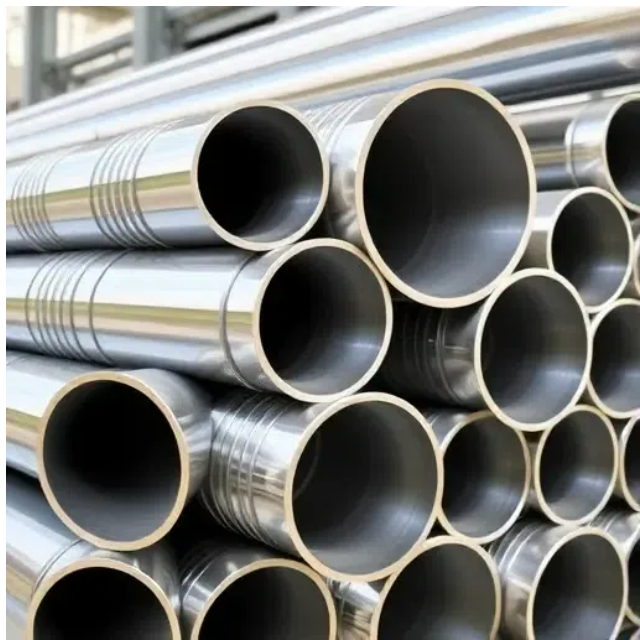
Cutting galvanized steel pipe can be tricky. It’s essential to preserve its protective zinc coating. Whether for construction, plumbing, or outdoor projects, using the right tools and techniques is crucial.
In this article, you will learn how to cut galvanized steel pipe efficiently, without compromising its quality. We’ll explore the best methods and safety precautions to ensure clean, precise cuts.
2. Preparation Before Cutting Galvanized Steel Pipe
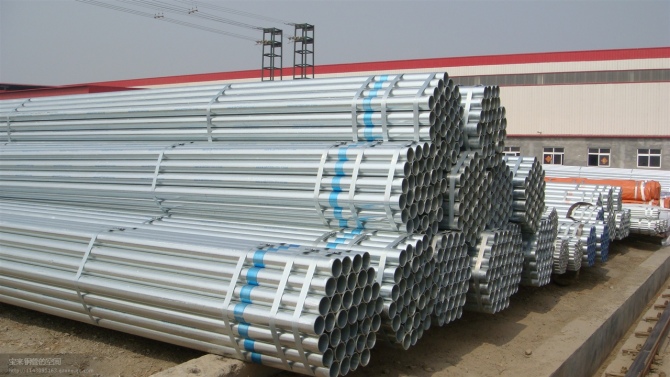
Before you start cutting galvanized steel pipe, preparation is key. Proper preparation ensures smooth, clean cuts and helps maintain the integrity of the pipe’s protective zinc coating.
2.1 Choosing the Right Tools
Selecting the correct tool is critical when cutting galvanized metal pipe. The wrong tool can damage the pipe, make uneven cuts, or, worse, break the pipe. Here are some commonly used tools for cutting galvanized steel pipe:
Tool | Best For | Advantages | Disadvantages |
Pipe Cutter | Small diameter pipes, especially thinner gauges | Clean, precise cuts; minimal damage to coating | Not effective for larger pipes |
Reciprocating Saw (Sawzall) | General cutting, tight spaces, varying diameters | Versatile, great for tight spaces | Can be rough, may need additional finishing |
Angle Grinder | Thicker pipes, quick cuts | Fast cutting speed, good for thick pipes | Generates heat and sparks, can damage coating |
Portable Bandsaw | Larger diameter pipes, thicker-walled pipes | Precise, clean cuts | Slower cutting speed, requires more skill |
Factors to Consider:
● Pipe Diameter: For smaller pipes, a pipe cutter is ideal. For larger pipes, a bandsaw or Sawzall is more effective.
● Pipe Thickness: Thicker pipes require a powerful tool, like a bandsaw or angle grinder.
● Cutting Precision: Pipe cutters provide cleaner, more precise cuts compared to other tools, which might leave rough edges.
Choosing the correct tool is essential to minimize the damage to the zinc coating and ensure the cut meets the required standards.
2.2 Safety Preparations
Safety should always be a top priority when cutting galvanized steel pipe. These materials generate sharp edges and harmful dust, and using power tools can introduce risks such as sparks, heat, and flying debris.
● Personal Protective Equipment (PPE):
○ Safety Goggles: Protect your eyes from sparks, metal dust, and flying debris.
○ Gloves: Wear heavy-duty gloves to protect your hands from sharp edges and the heat from tools.
○ Respirator: Cutting galvanized steel generates zinc fumes, which can cause metal fume fever if inhaled. Wear a respirator to protect your lungs from these harmful fumes.
● Work Environment:
○ Ventilation: Always cut galvanized steel in a well-ventilated area. Fumes from the cutting process can accumulate and be hazardous to your health.
○ Fire Safety: Since cutting with tools like angle grinders can create sparks, ensure the area is clear of flammable materials.
○ Stability: Work on a stable surface, and ensure the pipe is secured to prevent it from moving during cutting.
Proper PPE and workspace organization will reduce the risk of injury and make the cutting process more efficient.
2.3 Securing the Pipe
Securing the pipe properly is crucial for making accurate cuts. If the pipe moves during cutting, the cut may be uneven, and you risk injury.
● Pipe Clamp or Vise: Use a pipe clamp or a bench vise to hold the pipe firmly in place. This will prevent the pipe from shifting while you cut.
● Aligning the Pipe: Make sure the pipe is aligned with the cutting tool to avoid angled cuts.
● Stability: For longer pipes, use additional clamps at both ends to secure them.
Properly securing the pipe ensures smooth cuts and prevents the risk of injury.
3. Methods of Cutting Galvanized Steel Pipe
Once you have selected the appropriate tools and ensured your workspace is safe, the next step is to actually cut the galvanized steel pipe. The cutting method you choose depends on the pipe's size, thickness, and the precision required. Here are the most commonly used methods for cutting galvanized steel pipe:
3.1 Using a Pipe Cutter
A pipe cutter is an excellent tool for cutting small diameter galvanized steel pipes, particularly those with thinner gauges. This tool is highly recommended for projects where precision and cleanliness are key. Pipe cutters generate minimal heat, which helps to preserve the pipe’s protective zinc coating, preventing rust or corrosion at the cut edges.
Best For: Small diameter pipes, especially thinner gauges.
Steps:
1. Mark the Cut: Start by using a marker or chalk to clearly mark the cutting line around the pipe. This will ensure you’re cutting in a straight line.
2. Position the Cutter: Place the pipe cutter around the pipe, ensuring that the cutting wheel is aligned with the mark you’ve made. The cutting wheel should touch the pipe at the spot where you intend to cut.
3. Tighten the Cutter: Slowly tighten the cutter around the pipe, applying even pressure as you rotate the tool around the pipe. The cutter should gradually score the pipe, eventually slicing through it.
4. Deburr the Cut: After the pipe is cut, use a deburring tool or a file to smooth out any rough edges left by the cutter. This step ensures that the cut edges don’t cause injury or interfere with fittings.
Advantages:
● The pipe cutter minimizes the risk of damaging the galvanized coating and provides clean, straight cuts.
● It’s ideal for smaller pipes that require precise cuts, as it ensures minimal material waste.
● This tool is easy to use and doesn’t create as much mess as other cutting tools.
Disadvantages:
● Not suitable for larger pipes or thicker wall pipes.
● Can be slower compared to more powerful cutting methods.
3.2 Using a Reciprocating Saw (Sawzall)
The reciprocating saw, commonly known by the brand name Sawzall, is a versatile tool that can be used to cut through galvanized steel pipes quickly. This saw is particularly useful in situations where access is limited, such as when cutting pipes in tight spaces. The reciprocating motion of the saw makes it an effective tool for cutting through pipes of various diameters and thicknesses.
Best For: General cutting of pipes, especially in confined spaces or when dealing with varying pipe diameters.
Steps:
1. Equip the Sawzall: Install a metal-cutting blade designed for steel. Make sure the blade is sharp and rated for cutting through galvanized steel to avoid delays or extra effort.
2. Mark the Cut: Use a marker to clearly mark where you want to cut the pipe. This will help ensure that the cut is accurate and even.
3. Cut the Pipe: Begin cutting by applying steady pressure, allowing the saw to do most of the work. Keep the saw aligned with the marked line to ensure an even cut. Maintain a consistent speed, and let the saw work at its own pace to minimize vibration and achieve a clean cut.
4. Smooth the Edges: After cutting, use a grinder or a file to smooth the rough edges left by the saw. This step is crucial for avoiding injuries and ensuring the pipe fits properly with connectors.
Advantages:
● The Sawzall is very versatile and can be used for a variety of tasks, not just cutting pipes.
● It’s great for working in tight spaces where larger tools might not fit.
● This tool is also effective for cutting other materials, such as wood, plastic, and metal, making it highly adaptable.
Disadvantages:
● The cut may not be as clean or precise as that made by a pipe cutter or bandsaw.
● It can be harder to control, especially when making cuts in thicker pipes.
3.3 Using an Angle Grinder
An angle grinder is a powerful tool commonly used for cutting through thicker galvanized steel pipes. It can make quick work of heavy-duty jobs, but it requires more experience and care to ensure clean cuts. Angle grinders work by rotating a metal-cutting disc at high speeds, which can easily slice through pipe material. However, the heat and sparks produced can damage the galvanized coating if not used properly.
Best For: Cutting thicker pipes or when speed is essential.
Steps:
1. Choose the Right Disc: Use a metal-cutting disc that is specifically designed for cutting galvanized steel. The disc should be sharp and in good condition to prevent excessive wear.
2. Mark the Cut: Mark the cutting line on the pipe to guide your work. Be sure to measure accurately to ensure a straight, precise cut.
3. Make the Cut: Start the grinder, keeping it steady and moving it along the marked line. Maintain a controlled pace, and allow the grinder to do the work. Don’t force it; this can cause the disc to wear out prematurely.
4. Finish the Edges: After cutting, use the grinder or a file to smooth any sharp edges or burrs left on the pipe.
Advantages:
● Angle grinders are very fast, making them ideal for large projects or when time is a factor.
● They can be used for other tasks, such as polishing and grinding, making them a versatile tool.
Disadvantages:
● The heat generated by the angle grinder can damage the zinc coating on galvanized steel, which could result in rusting.
● It produces a lot of sparks and debris, so precautions should be taken to avoid fire hazards.
3.4 Using a Portable Bandsaw
A portable bandsaw is an excellent option for cutting larger diameter pipes or thicker-walled galvanized steel. The bandsaw offers clean and precise cuts with minimal heat, helping to preserve the pipe’s protective coating. It is slower than an angle grinder but provides more control over the cutting process, especially for professional or industrial work.
Best For: Larger diameter pipes or thicker-walled galvanized steel.
Steps:
1. Choose the Right Blade: Select a metal-cutting blade that is suitable for cutting galvanized steel. A fine-toothed blade will work best for smooth cuts.
2. Mark the Cut: Clearly mark the full circumference of the pipe to guide your cut. Make sure the mark is visible and easy to follow.
3. Guide the Pipe: Slowly feed the pipe through the bandsaw, ensuring that the blade doesn’t bind. Apply consistent pressure and let the saw do the work.
4. Smooth the Edges: After cutting, remove any burrs or sharp edges by using a file or a deburring tool.
Advantages:
● Bandsaws provide precise and clean cuts with minimal heat, which helps protect the zinc coating.
● It’s particularly effective for larger pipes and thicker materials.
Disadvantages:
● The cutting speed is slower than that of grinders or saws.
● Requires more skill and patience to use effectively, making it less suitable for beginners.
4. Post-Cutting Considerations
Once you’ve made your cut, it's essential to address any post-cutting steps. These steps ensure that the pipe is safe to handle and ready for installation.
4.1 Deburring the Edges
Why Deburr?: Cutting galvanized steel can leave sharp, jagged edges. These edges can be dangerous and cause difficulties during fittings or assembly. Burrs may also affect the pipe’s ability to fit properly into connectors.
Tools: Use a deburring tool, file, or steel wool to smooth out the rough edges left by the cutting process.
4.2 Protecting the Cut Ends
Why Protect?: The cut ends of the galvanized steel pipe are exposed to the elements, making them more susceptible to rust and corrosion.
Solution: Apply a zinc-rich primer or cold galvanizing compound to the exposed steel to prevent rust and maintain the pipe’s protective coating.
How to Apply: Use a brush or spray to apply the primer to the exposed ends of the pipe. Ensure it’s fully covered for maximum protection.
4.3 Cleaning the Cut Area
Why Clean?: Cutting generates metal particles and debris that can interfere with fittings or contaminate the pipe, especially in plumbing applications. Proper cleaning ensures smooth installation.
How to Clean: After cutting, wipe down the pipe with a clean cloth to remove any debris or metal dust. You may also use compressed air to blow off any remaining particles.
5. Conclusion
When cutting galvanized steel pipe, the right tool is essential. Pipe cutters, reciprocating saws, angle grinders, and bandsaws each have unique advantages. Consider the pipe's size and thickness before choosing a tool.
Safety precautions are vital to prevent injury and ensure clean cuts. Post-cutting steps like deburring and protecting cut ends help maintain the pipe's integrity.
For high-quality galvanized steel pipes, Cangzhou Weiheng Pipe Industry Co., Ltd. offers durable products designed to meet various needs. Their commitment to quality ensures long-lasting performance.
FAQ
Q: What is the best tool for cutting galvanized steel pipe?
A: The best tool for cutting galvanized steel pipe depends on the pipe's diameter and thickness. For small diameter pipes, a pipe cutter works well, while larger pipes require a reciprocating saw, angle grinder, or portable bandsaw.
Q: How do I cut galvanized steel pipe without damaging the zinc coating?
A: To avoid damaging the zinc coating, use tools like a pipe cutter or a bandsaw, which generate less heat compared to tools like angle grinders. Always deburr the cut edges to prevent further damage.
Q: Can I use a regular saw to cut galvanized steel pipe?
A: While you can use a regular saw, it’s not ideal for galvanized steel pipe. A reciprocating saw or pipe cutter is more effective, ensuring cleaner cuts and preserving the pipe's integrity.
Q: Why is it important to protect the cut ends of galvanized steel pipe?
A: After cutting, galvanized steel pipe is vulnerable to rust. Applying a zinc-rich primer or cold galvanizing compound to the exposed ends helps prevent corrosion and maintains the pipe’s protective coating.
Q: Is cutting galvanized steel pipe expensive?
A: The cost of cutting galvanized steel pipe mainly depends on the tools you use. Manual tools like pipe cutters are cost-effective, while power tools like angle grinders or bandsaws may require a higher initial investment but offer faster and more precise cuts.


