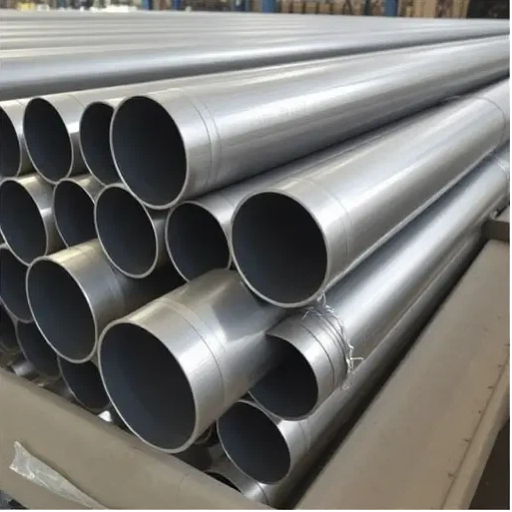
Most cut grooving problems do not begin at final assembly. They usually start earlier with pipe preparation, alignment, tooling wear, unstable support, or poor dimensional control. Victaulic Cut Groove steel pipe can perform reliably, but only when the grooving process is controlled correctly from the beginning. For buyers, fabricators, and installers, troubleshooting is not just about fixing a visible defect after it appears. It is about identifying causes early so rejected pieces, delivery issues, installation delays, and unnecessary rework can all be reduced. At WEIHENG PIPE, we view troubleshooting as part of practical product support because groove quality directly affects installation confidence and project continuity.
Why Cut Grooving Problems Usually Have a Process Cause
Groove defects rarely come from one single factor
When a groove turns out badly, the cause is rarely just one mistake. Problems usually come from several factors working together, such as machine setup, tooling condition, pipe end quality, measuring habits, and operator handling. A small weakness at each step can combine into a larger defect that becomes obvious only when the groove is inspected or assembled.
That is why troubleshooting should focus on the full process, not only the final appearance of the groove. A rough surface, uneven depth, or difficult coupling fit may all be linked to earlier preparation issues. In batch production, repeated defects usually point to a workflow issue rather than a random one-time error.
Why troubleshooting should begin before coupling assembly
Many grooved pipe issues are first noticed when the coupling is installed, but by then correction is already more expensive. The pipe may already be packaged, shipped, or moved into the installation sequence. At that point, even a simple problem can interrupt the project.
Good troubleshooting starts earlier, with pipe inspection, end preparation, groove measurement, and handling control. For buyers, this improves delivery quality. For fabricators, it helps solve problems before the pipe reaches the site. Early inspection is always easier and cheaper than later rework.
Problem One: Groove Dimensions Are Out of Tolerance
What this problem looks like
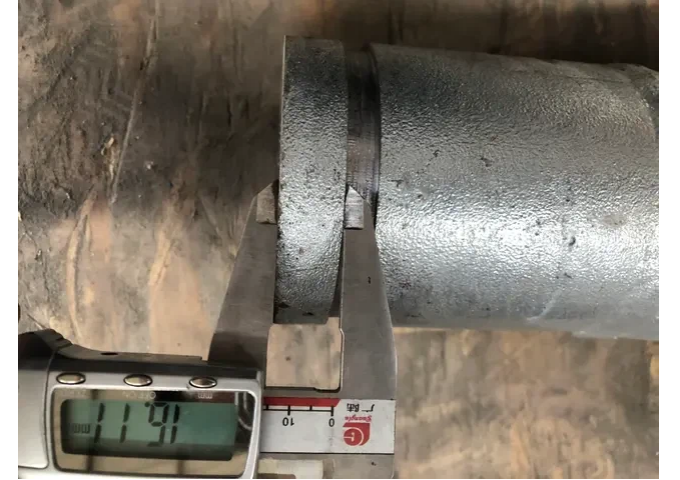
One of the most common pipe cut grooving problems is a groove that is out of tolerance. It may appear as difficult coupling fit, uneven groove depth, inconsistent appearance, or failed inspection. Sometimes the groove looks nearly acceptable but still causes trouble during assembly because the dimensions are not controlled closely enough.
This kind of issue slows progress in two places. It disrupts fabrication first, and then it creates more delay during installation if the problem is not found in time. That is why dimensional issues should be treated as a serious process problem, not a minor surface defect.
Likely causes and how to correct them
Out-of-tolerance grooves are often caused by incorrect setup, worn tooling, poor measurement habits, or unstable pipe support. If the machine is not set correctly or the pipe moves during cutting, groove quality can quickly become inconsistent. In some cases, the operator may be checking dimensions too late in the process, allowing the same defect to continue across several pieces.
The solution starts with the basics: confirm settings, inspect the tools, verify dimensions regularly, and make sure the pipe is supported evenly. Stable setup and repeatable inspection are the best ways to prevent this problem from recurring.
Problem Two: Pipe End Is Not Square or Properly Prepared
Why squareness matters
A groove cannot be fully consistent if the pipe end is not prepared properly first. An uneven cut end can affect groove uniformity and influence how the coupling seats on the pipe. In many cases, what looks like a groove problem actually begins at the cutting stage before grooving even starts.
This matters because the groove depends on a sound starting point. If the pipe end is poorly cut, the finished groove may not perform as smoothly during assembly, and installers may waste time checking a problem that should have been prevented earlier.
How to fix the issue before it reaches installation
The best prevention is stronger end preparation. The pipe should be cut squarely, burrs should be removed, and the end should be cleaned before grooving begins. Surface damage, dents, and ovality should also be checked early so unsuitable pieces do not move forward into machining.
These are basic controls, but they make a major difference. Better end preparation reduces the chance of uneven grooves and helps improve fit-up later during installation.
Problem Three: Surface Damage, Burrs, or Poor Groove Finish
How finish quality affects assembly
A groove may meet dimensional requirements but still create problems if the finish quality is poor. Burrs, rough areas, contamination, or handling damage can make coupling fit less smooth and reduce installer confidence. Even when the groove is technically close to acceptable, poor finish quality often makes the pipe harder to work with.
In practice, this can lead to extra cleaning, slower assembly, or questions about whether the pipe should be used at all. For a project team, that means more hesitation, more checking, and more lost time.
Prevention in fabrication and transport
Prevention starts with clean cutting and careful inspection. Burrs should be removed, the groove should be checked visually, and the finished pipe should be handled carefully after machining. If the groove surface is damaged after production, the earlier quality-control effort loses much of its value.
Packaging and transport also matter. If pipe ends are scraped, knocked, or left unprotected, groove condition may decline before the product even reaches the customer. That is why good fabrication practice should continue through handling and delivery.
Problem Four: Pipe Handling or Alignment Causes Inconsistent Results
Support and machine position problems
If the pipe is not supported or aligned correctly in the machine, the groove can become inconsistent around the circumference. Poor support may also create vibration, which affects finish quality and dimensional accuracy at the same time.
This issue is common when long pipes are not properly supported or when setup is rushed to save time. In those cases, the machine may still be working, but the pipe itself is not in a stable enough condition to produce a reliable groove.
Why repeated inconsistency points to workflow issues
If the same inconsistency appears again and again, the process itself usually needs correction. Machine position, support method, measurement timing, and handling routines may all need review. Repeated variation usually means the problem is built into the workflow.
A recurring defect should not be treated as a one-person mistake only. It often shows that the production method needs stronger control. That is why troubleshooting should look at the whole operation instead of only correcting one pipe at a time.
Problem Five: Installation Issues Are Blamed on the Pipe
Distinguishing groove problems from assembly problems
Not every leak or fit issue comes from the groove. Sometimes the real cause is coupling choice, gasket condition, assembly practice, bolt tightening, or system alignment. If the diagnosis is wrong, time is wasted on the wrong correction, and the actual issue remains unresolved.
That is why teams should separate groove defects from installation defects before deciding how to respond. A pipe can be blamed too quickly when the real problem is elsewhere in the connection system.
A better troubleshooting sequence
A practical inspection order starts with the groove itself. Then check the pipe end for squareness, burrs, or visible damage. After that, inspect the coupling components, including gasket condition and fit. Finally, review installation conditions such as alignment and assembly method.
This sequence helps reduce guesswork and makes troubleshooting more efficient. It also gives buyers and installers a clearer way to solve problems without jumping to the wrong conclusion.
How Better Troubleshooting Improves Customer Confidence
Lower rejection rates and smoother site work
Better troubleshooting means fewer rejected sections, fewer installation delays, and a more predictable workflow on site. When defects are found early and corrected through the process, the product becomes easier to use and more reliable in the field.
That improves not only technical results, but also customer confidence in future orders. Consistent groove quality supports smoother site work, and smoother site work builds trust in the product.
Why technical support is part of product value
For grooved pipe products, technical support is part of product value. A supplier should understand not only the material, but also how groove condition, preparation quality, handling, and installation affect the final result.
WEIHENG PIPE supports customers with steel pipe products backed by practical attention to groove preparation and quality control. That helps reduce common groove issues before the product even reaches the site and gives customers more confidence in real application performance.
Common Cut Grooving Problems and Corrective Actions
Problem | Likely Cause | What to Inspect | Recommended Fix |
Groove out of tolerance | Incorrect setup, worn tooling, unstable support | Groove dimensions, settings, tool condition | Reset machine, replace tools, improve support |
Pipe end not square | Poor cutting or end preparation | End face, burrs, ovality | Recut if needed, deburr, improve preparation |
Rough groove finish or damage | Burrs, contamination, poor handling | Groove surface, cleanliness, transport condition | Clean, inspect, protect finished ends |
Inconsistent groove around circumference | Misalignment or weak support | Pipe position, stability, vibration | Re-align pipe, improve support |
Assembly problem blamed on pipe | Coupling or installation issue | Groove, pipe end, gasket, alignment | Follow step-by-step troubleshooting |
Conclusion
Successful cut grooving depends on control, not guesswork. Most problems can be prevented when pipe condition, setup, dimensions, handling, and inspection are managed correctly from the start. Better troubleshooting reduces rejected pieces, supports smoother installation, and helps protect project schedules from avoidable delay. For customers who need reliable grooved steel pipe performance in real working conditions, WEIHENG PIPE offers products supported by practical attention to groove quality and field use. Contact us to discuss your project requirements.
FAQ
1. What is the most common cause of cut grooving problems?
Usually it is not one single issue. It is often a combination of setup error, worn tooling, poor pipe preparation, and unstable support.
2. Why does pipe end squareness matter so much?
Because an uneven pipe end can affect groove uniformity and coupling seating. Many groove problems begin before grooving starts.
3. Can installation problems happen even when the groove is correct?
Yes. Coupling choice, gasket condition, assembly practice, and system alignment can also create problems.
4. How can buyers reduce grooved pipe issues before installation?
They should work with a supplier that controls groove preparation, inspects finished pipe carefully, protects the pipe during delivery, and understands field application needs.


